Fat Cell Types: A Detailed Description
Understanding the Diversity of Fat Cells in the Human Body
Fat tissue in the body may seem uniform at first glance, but it is actually composed of multiple specialized cell types that perform different functions essential for health, energy balance, and temperature regulation. Brown, beige, and white fat cells each possess distinct structures and metabolic behaviors that influence the way the body stores or burns energy. Modern biology has revealed that fat tissue is far more complex than a passive storage site; it is an active endocrine and metabolic organ with specialized forms that respond to temperature, hormones, diet, and physical activity. Understanding the differences between these fat cell types allows for a deeper appreciation of how the body manages energy, produces heat, and adapts to environmental conditions.
White Fat Cells: The Primary Energy Storage Sites
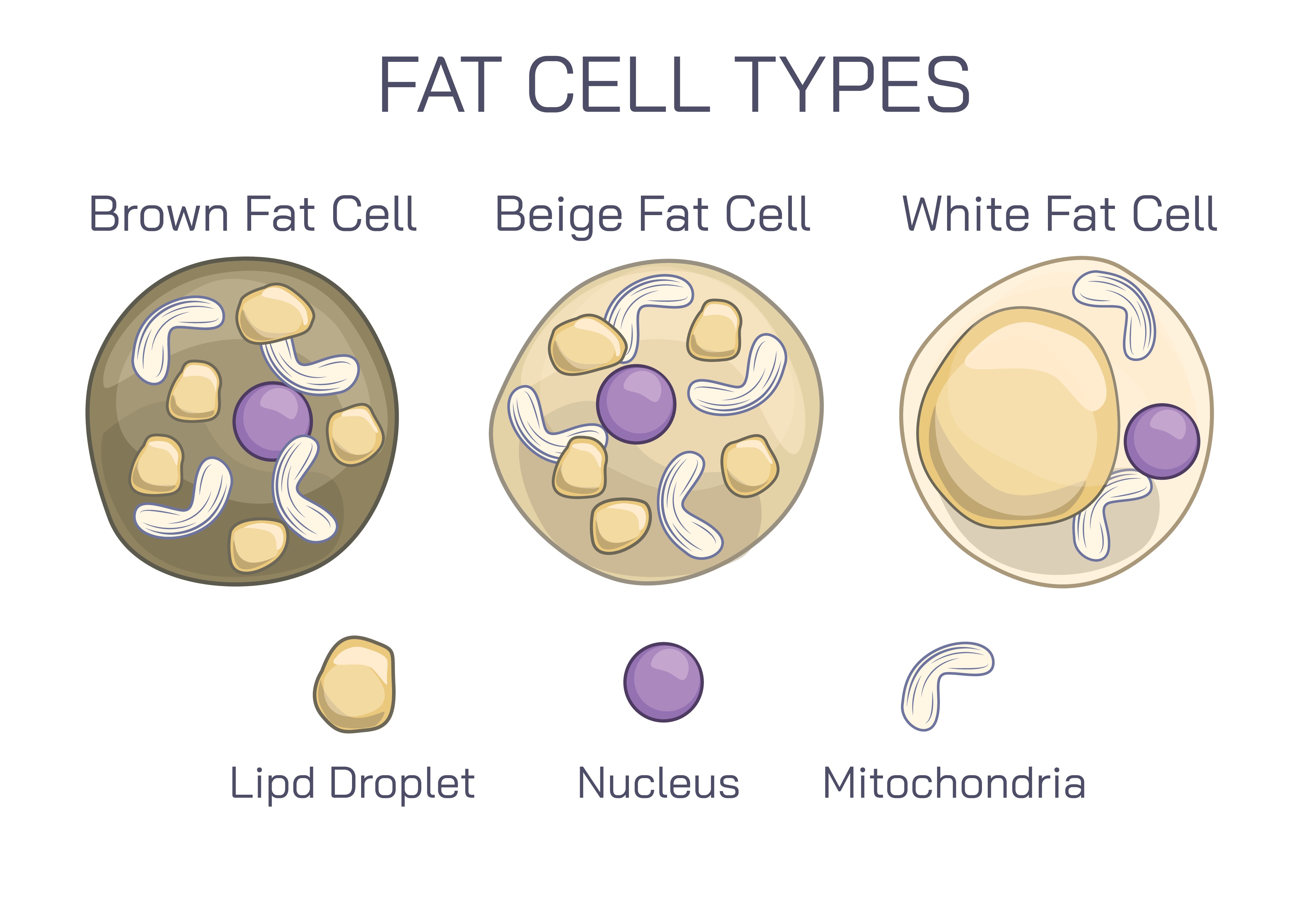
White fat cells are the most abundant type of adipocytes in adults and act as the body's main reservoir for energy storage. Their structure is dominated by a single, large lipid droplet that fills the majority of the cell’s interior, pushing the nucleus to the edge and leaving little room for mitochondria. Because these cells store excess calories in the form of triglycerides, they serve as a long-term energy reserve for times when food intake is limited. White adipose tissue also cushions organs, provides insulation, and secretes hormones that influence appetite, metabolism, and inflammation. The simplicity of these cells' structure reflects their primary purpose: efficient storage of large amounts of energy with minimal metabolic activity. When the body needs fuel, stored lipids in white fat cells break down and supply energy to tissues throughout the body.
Brown Fat Cells: The Metabolic Furnaces of the Body
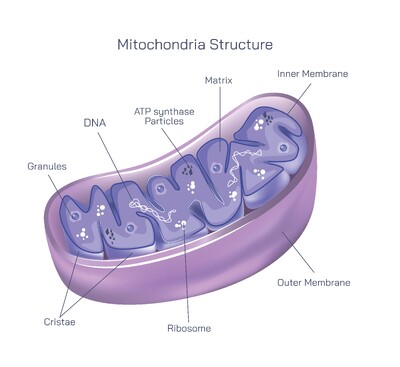
Brown fat cells differ dramatically from white fat cells both in appearance and function. Rather than one large lipid droplet, brown fat cells contain multiple tiny lipid droplets dispersed throughout the cell. They are also filled with a high number of mitochondria, which give brown fat its characteristic darker color. These mitochondria are unique because they contain a protein that allows them to produce heat by burning stored energy directly instead of generating usable cellular fuel. This process, known as thermogenesis, helps regulate body temperature—especially in infants, who have a higher proportion of brown fat. In adults, brown fat remains active in smaller regions of the body, particularly around the neck and upper spine. Its ability to burn energy rather than store it has drawn interest in metabolic research, as stimulating brown fat could potentially support weight management and improved metabolic health.
Beige Fat Cells: The Adaptable and Transforming Fat Type
Beige fat cells represent a hybrid form that shares characteristics of both brown and white adipocytes. They appear within white fat tissue but behave more like brown fat under certain conditions. Beige fat cells contain multiple smaller lipid droplets and more mitochondria than typical white cells, allowing them to produce heat when activated. Unlike brown fat, which develops from distinct cell lineages, beige fat can emerge from white fat cells in response to triggers such as cold exposure, exercise, certain hormones, and specific dietary compounds. This capacity for transformation makes beige fat highly adaptive and metabolically valuable. Its ability to shift between energy storage and energy burning roles provides the body with flexibility, allowing it to respond more efficiently to environmental demands.
Structural Differences Highlight Functional Roles
Each type of fat cell has a structure designed for its purpose. White fat cells feature a large, single lipid droplet for long-term storage and minimal mitochondria, reflecting their role as energy reservoirs. Brown fat cells contain many small lipid droplets and extremely dense mitochondria, allowing for rapid energy burning and heat production. Beige fat cells sit between these two extremes, possessing structure flexible enough to support both storage and thermogenesis depending on activation. These structural differences allow the body to maintain both energy security and adaptive thermal regulation while supporting metabolic balance.
How These Fat Types Influence Metabolism and Health
Because white fat stores energy and influences hormones, excessive accumulation can lead to metabolic issues such as insulin resistance and inflammation. Brown and beige fat, by contrast, help increase energy expenditure and support metabolic efficiency. Individuals with higher levels of active brown and beige fat tend to have better glucose control, healthier metabolic profiles, and greater resilience against weight gain. Research continues to explore how lifestyle habits, environmental exposure, and targeted therapies might increase brown and beige fat activity to enhance metabolic health.
The Dynamic Relationship Between Fat Types
Fat cells are not fixed in their roles; beige fat demonstrates that adipocytes can shift behavior depending on physiological conditions. Cold environments stimulate beige and brown fat thermogenesis, while exercise-related hormones can encourage the appearance of beige fat within white fat deposits. This adaptability reveals that fat tissue is an active, responsive organ, constantly adjusting to maintain energy balance and protect the body. Understanding this dynamic nature underscores the complexity of fat biology and opens the door to new approaches for improving metabolic health.
Why Understanding Fat Cell Types Matters
Knowing the differences between white, brown, and beige fat cells provides insight into how the body manages energy, stays warm, and maintains metabolic health. White fat ensures long-term energy storage, brown fat burns calories to generate heat, and beige fat bridges the gap with flexible behaviors that support adaptation. These distinctions are essential for fields ranging from physiology and medical research to nutrition and weight management. By appreciating the diverse roles of fat cells, one gains a clearer picture of how the body maintains balance, responds to environmental challenges, and supports overall well-being.