Understanding Carbofuran as a Powerful but Hazardous Pesticide
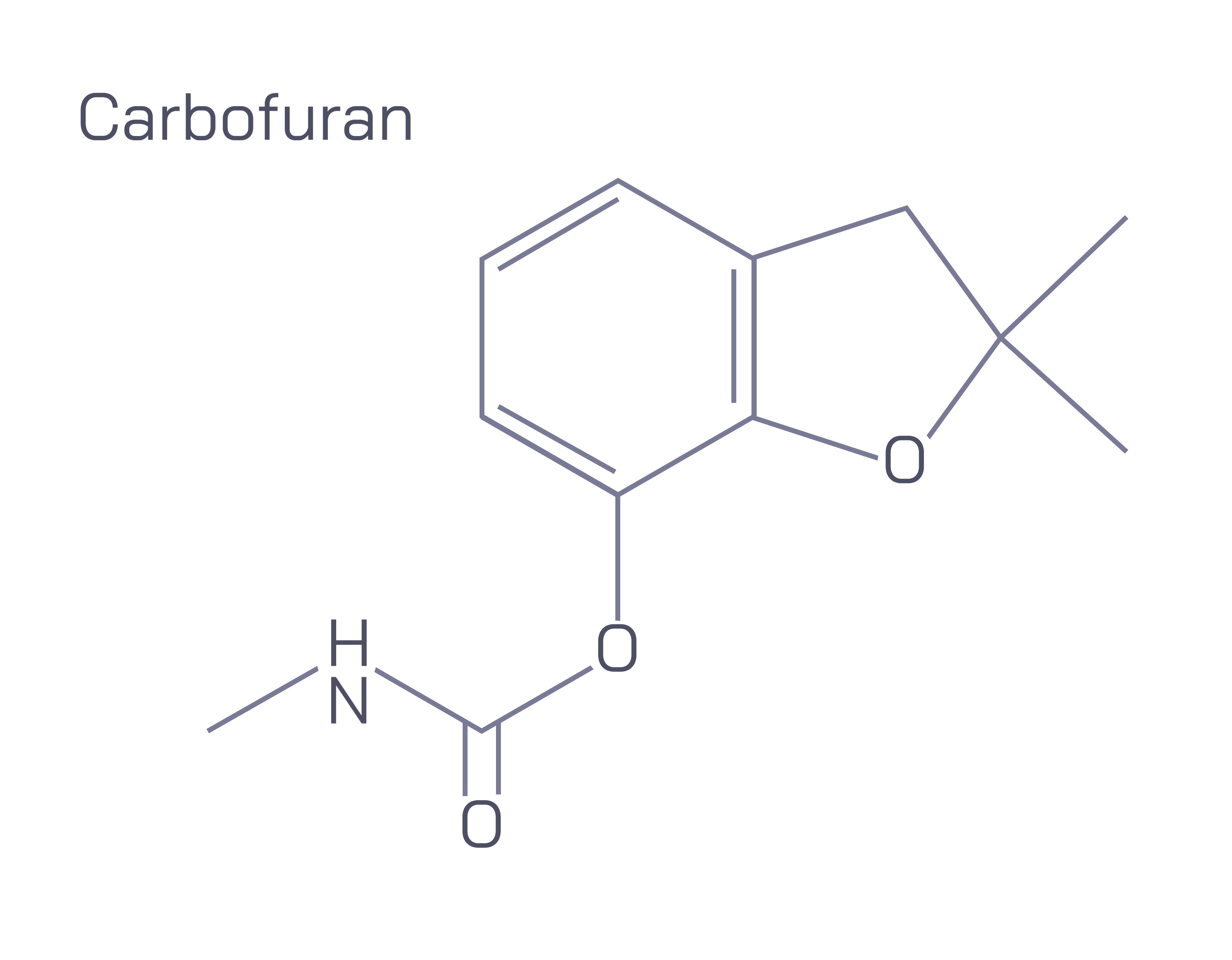
Carbofuran is a widely recognized carbamate pesticide known for its potent ability to control insects, nematodes, and other agricultural pests. Although effective in protecting crops, its extreme toxicity has made it one of the most controversial pesticides used in farming. The chemical belongs to a class of compounds that disrupt the nervous system of pests, leading to rapid immobilization and death. This same mechanism, however, poses significant risks to humans, wildlife, and ecosystems, which is why Carbofuran has been heavily restricted or banned in many countries. Its chemical structure, illustrated clearly in scientific diagrams, reflects its metabolic activity and explains why the compound acts so quickly once absorbed by living organisms. Understanding Carbofuran means exploring both its beneficial role in pest control and the dangers associated with its misuse or environmental contamination.
The Chemical Structure and Functional Components of Carbofuran
The molecular structure of Carbofuran includes characteristic features of carbamate pesticides, such as the carbamate functional group attached to a benzofuran ring system. This combination gives the compound its high biological activity. The ring structure allows Carbofuran to bind effectively to enzymes in the nervous system, while the carbamate grouping enables it to inhibit essential metabolic pathways. The molecule’s layout contributes to its stability in various environmental conditions, allowing it to persist long enough to impact pests but also creating potential concerns when residues accumulate in soil or water. The precise arrangement of chemical bonds within this structure determines the potency of Carbofuran, its solubility, and the way organisms metabolize it once exposed.
How Carbofuran Works Inside Insects and Other Organisms
Carbofuran’s pesticide action originates from its ability to inhibit acetylcholinesterase, an enzyme responsible for breaking down neurotransmitters in the nervous system. Insects exposed to the chemical experience a buildup of nerve impulses, leading to overstimulation, paralysis, and death. Because the pesticide acts so rapidly, it has been used to protect crops from destructive pests such as beetles, nematodes, and rootworms. Unfortunately, this same biological mechanism affects non-target organisms—including mammals, birds, and beneficial insects—making the chemical dangerous even in small amounts. The mechanism explains why accidental exposure in humans or animals can cause severe symptoms and requires immediate medical attention.
Agricultural Uses and Historical Importance
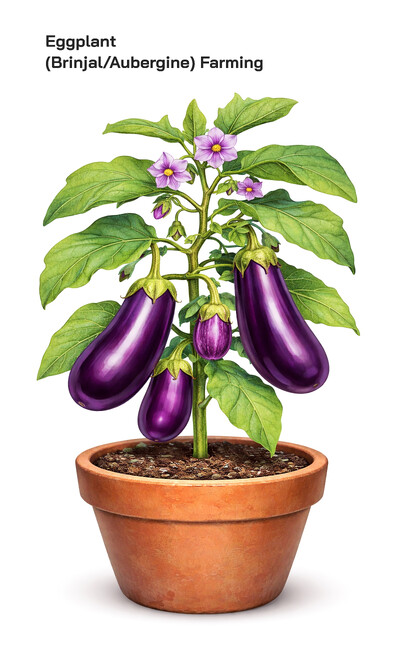
Before regulatory restrictions increased globally, Carbofuran was widely applied in rice, maize, sugarcane, banana, coffee, and potato farming. Farmers valued the pesticide because of its effectiveness at low doses and its ability to address pest populations that resisted other treatments. Carbofuran was available in granular, liquid, and powder formulations, making it adaptable to various agricultural environments. Its systemic action meant that once applied, the pesticide could travel through plant tissues, protecting roots, stems, and leaves from insect attacks. This capability made Carbofuran an important tool in large-scale crop protection, contributing to increased yields and helping prevent economic loss.
Toxicity and Health Effects in Humans
The dangers posed by Carbofuran extend beyond agricultural pests. Due to its strong neurotoxic effects, accidental ingestion, inhalation, or skin exposure can rapidly cause symptoms such as muscle weakness, difficulty breathing, excessive salivation, convulsions, and loss of consciousness. Severe cases may require immediate medical treatment to prevent life-threatening complications. Health risks are especially pronounced for farmworkers, communities near treated fields, and wildlife exposed to contaminated environments. Because the compound acts quickly and powerfully, even small amounts present significant hazards, leading many health authorities to classify Carbofuran as highly toxic.
Environmental Impact and Risks to Wildlife
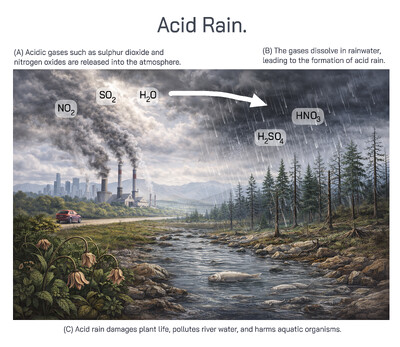
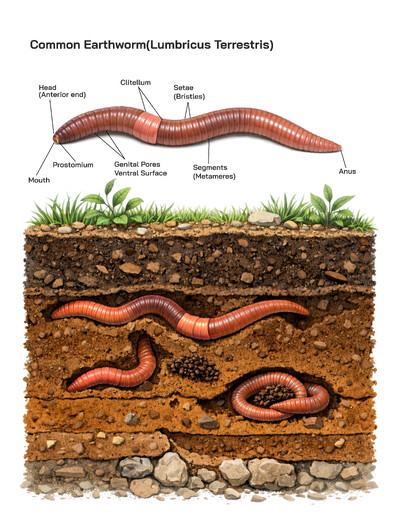
Environmental contamination caused by Carbofuran has been a major factor behind global regulatory actions. Birds are especially vulnerable; ingesting only a few granules can be fatal due to the compound’s acute toxicity. Aquatic organisms, including fish and amphibians, are also affected when Carbofuran enters waterways through runoff. Soil quality may decline when microbial communities are disrupted, and beneficial insects—including pollinators such as bees—face significant risks from exposure. Predators feeding on contaminated prey may accumulate toxic levels over time, resulting in broader ecological harm. Because of these dangers, environmental organizations have repeatedly highlighted Carbofuran as a threat to biodiversity.
Global Regulations and Restrictions
Many countries, including the United States, Canada, and members of the European Union, have banned or severely limited Carbofuran due to its environmental and human health risks. International guidelines now restrict its manufacture, distribution, and agricultural use, with some regions allowing only highly controlled applications under strict monitoring. These regulations aim to reduce accidental poisonings, protect ecosystems, and encourage safer alternatives in pest management. Research continues to investigate ways to break down Carbofuran residues in contaminated soil or water, minimizing long-term environmental consequences.
Alternatives and Modern Pest Management Approaches
As awareness of the dangers associated with Carbofuran grows, safer pest control methods are being encouraged. Integrated pest management approaches focus on biological control, targeted pesticide use, crop rotation, and environmentally friendly chemicals that pose fewer risks. Newer insecticides designed to break down more quickly in nature reduce contamination and limit harm to non-target species. Farmers and agricultural scientists increasingly emphasize sustainable practices that maintain crop protection while minimizing environmental damage.
Why Understanding Carbofuran Matters Today
Although Carbofuran’s use has declined, it remains relevant due to residues still present in the environment, illegal use in some areas, and the ongoing need for awareness of toxic chemicals in agriculture. Understanding its structure, action, and dangers allows individuals, policymakers, and researchers to make informed decisions about pesticide safety and environmental protection. By recognizing both the effectiveness and the hazards of Carbofuran, society can continue moving toward safer agricultural practices that support health, sustainability, and ecological balance.