Hydroelectric power generation is one of the oldest, most reliable, and most widely used methods of producing electricity from renewable natural resources. It converts the energy of flowing or falling water into electrical energy through a carefully engineered system of structures and machines. The fundamental principle behind hydroelectric power generation is the conversion of gravitational potential energy of stored water into kinetic energy, then into mechanical energy, and finally into electrical energy. Understanding the structure of a hydroelectric power plant and how it works provides valuable insight into large-scale electricity production and sustainable energy systems.
Basic Concept of Hydroelectric Power Generation
Hydroelectric power generation relies on the natural water cycle, where water evaporates, condenses, and falls as rain at higher elevations. This water is stored in reservoirs created by dams built across rivers. The stored water possesses potential energy due to its height above the downstream level. When released, this water flows downward with force, allowing its energy to be harnessed. Unlike fossil fuel power plants, hydroelectric plants do not require combustion, making them environmentally friendly and efficient for long-term electricity production.
Main Structure of a Hydroelectric Power Plant
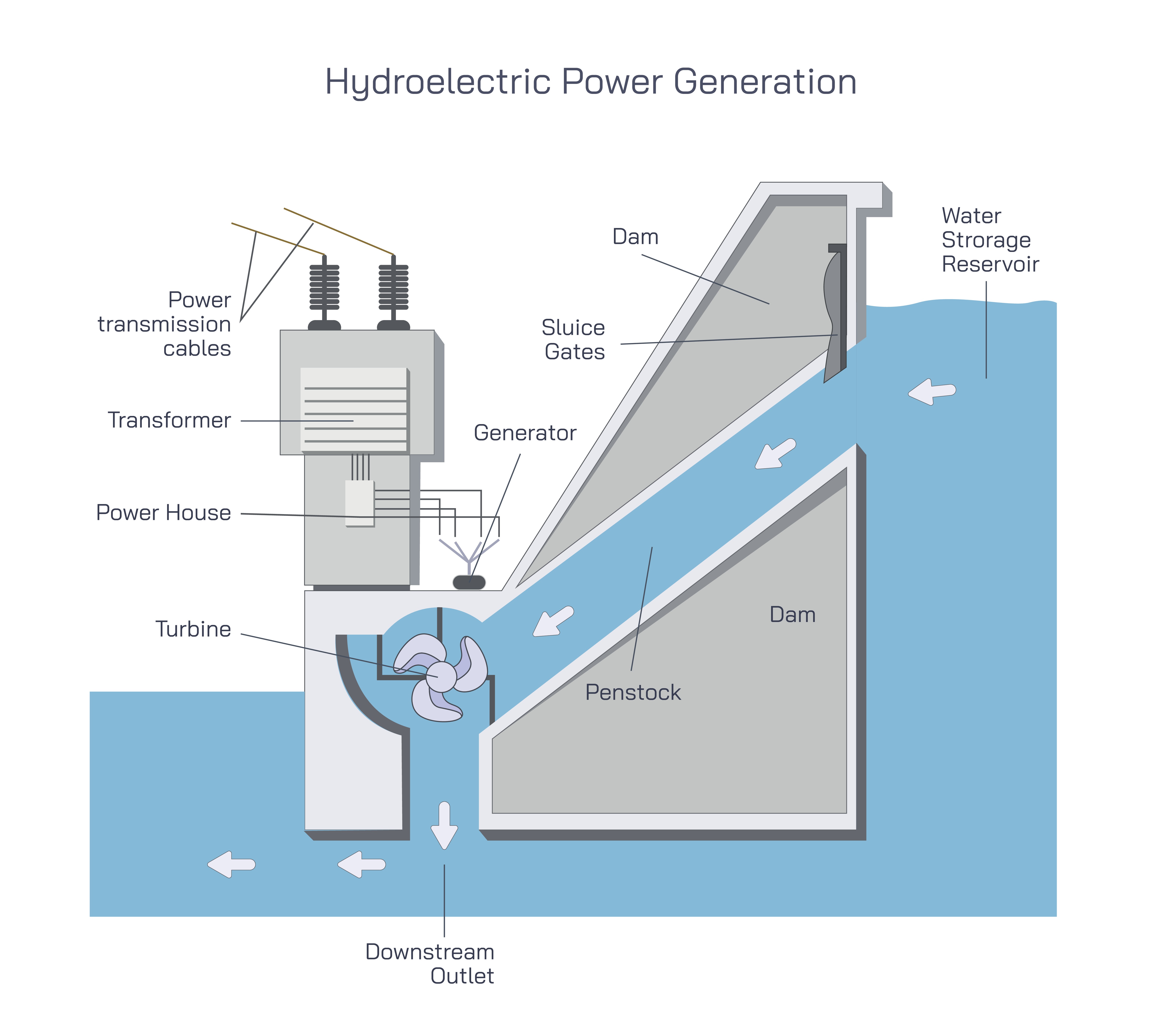
A hydroelectric power plant consists of several key structural components, each designed to perform a specific function in the energy conversion process. The dam is the most prominent structure. It is a large barrier constructed across a river to hold back water and form a reservoir. The reservoir stores a large volume of water and creates the required height difference, known as the water head, which is essential for generating power.
The water storage reservoir acts as an energy bank, ensuring a continuous supply of water for electricity generation even during periods of low rainfall. Sluice gates or intake gates are installed at the dam to control the flow of water entering the system. These gates regulate the amount of water released based on electricity demand and operational conditions.
The penstock is a large, sloping pipe that carries water from the reservoir to the turbine. It is designed to withstand high pressure as water accelerates downward. The shape and material of the penstock minimize energy loss due to friction and turbulence. At the lower end of the penstock lies the turbine, which is housed inside the powerhouse.
Turbine and Generator System
The turbine is a rotating machine equipped with specially designed blades. When high-speed water strikes the turbine blades, it causes the turbine shaft to rotate. This rotation represents the conversion of water’s kinetic energy into mechanical energy. Different types of turbines are used depending on water head and flow conditions, but the basic working principle remains the same.
Connected directly to the turbine shaft is the generator. The generator converts mechanical energy into electrical energy through electromagnetic induction. As the turbine spins, it rotates the generator’s internal components, producing alternating current electricity. This electricity is initially generated at a relatively low voltage.
Powerhouse and Transformer Unit
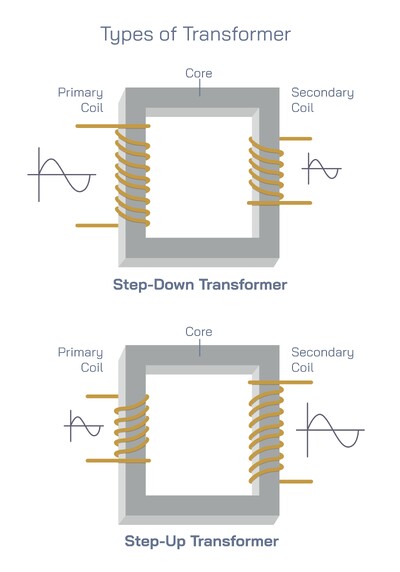
The powerhouse is the building that houses the turbine, generator, and control equipment. It is designed to provide structural support, safety, and accessibility for maintenance. Inside the powerhouse, electricity produced by the generator is sent to a transformer. The transformer increases the voltage of electricity to suitable levels for long-distance transmission. High-voltage transmission reduces energy losses as electricity travels through power lines.
Power transmission cables carry the electricity from the power plant to substations and then to homes, industries, and commercial areas. After passing through the turbine, water is released through the downstream outlet back into the river, ensuring minimal disruption to the natural water cycle.
Working Principle of Hydroelectric Power Generation
The working of a hydroelectric power plant begins with the accumulation of water in the reservoir. When electricity is required, sluice gates are opened, allowing water to flow through the penstock. As water rushes downward, its potential energy is converted into kinetic energy. This fast-moving water strikes the turbine blades, causing the turbine to rotate.
The rotating turbine shaft drives the generator, converting mechanical energy into electrical energy. The generated electricity is then stepped up in voltage by transformers and transmitted through power lines to consumers. The used water exits the turbine and returns to the river through the downstream outlet, making the process continuous and renewable.
Advantages of Hydroelectric Power Generation
Hydroelectric power is a clean and renewable source of energy that produces no air pollution during operation. It offers high efficiency and long operational life. Hydropower plants can respond quickly to changes in electricity demand, making them ideal for base load and peak load power generation. Additionally, reservoirs can provide benefits such as flood control, irrigation, and water supply.
Environmental and Educational Importance
Although hydroelectric power plants require careful environmental planning, they play a crucial role in reducing dependence on fossil fuels. From an educational perspective, hydroelectric power generation is an excellent example of energy conversion principles in physics and engineering. It demonstrates how natural resources can be harnessed sustainably using scientific knowledge and technological innovation.
Conclusion
Hydroelectric power generation is a well-coordinated process that transforms the energy of stored water into electricity through a series of mechanical and electrical systems. The dam stores water, the penstock channels it, the turbine converts its energy into motion, and the generator produces electricity. By utilizing renewable water resources and efficient engineering design, hydroelectric power plants provide reliable, sustainable, and environmentally friendly electricity. Understanding their structure and working principle highlights the importance of hydropower in modern energy systems and future renewable energy development.