Particulate matter is a major component of air pollution and refers to tiny solid particles and liquid droplets suspended in the air. These particles are so small that many of them cannot be seen with the naked eye, yet they have a powerful impact on air quality, human health, and the environment. Understanding particulate matter begins with recognizing how small these particles are and how they compare to everyday objects such as human hair.
To grasp the scale of particulate matter, it is useful to start with the diameter of a human hair. On average, a human hair measures about fifty to seventy microns in diameter. This makes it relatively large when compared to airborne particles. In visual comparisons, a single strand of hair appears massive next to particulate matter, which helps illustrate how deeply these particles can penetrate the human body when inhaled.
Particulate matter is commonly classified based on particle size because size determines how particles behave in the air and how they affect health. One major category is PM10, which includes particles with a diameter smaller than ten microns. These particles are roughly one fifth to one seventh the width of a human hair. PM10 particles include dust, pollen, mold spores, and fragments generated by mechanical processes such as construction activity, road abrasion, and agricultural operations.
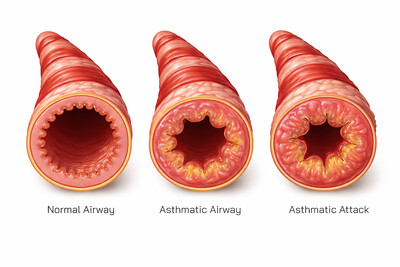
Because of their size, PM10 particles can be inhaled and enter the upper respiratory system. They tend to deposit in the nose, throat, and larger airways. While some PM10 particles can be expelled naturally by the body’s defense mechanisms, prolonged or high exposure can still cause irritation, coughing, and worsening of respiratory conditions.
A more dangerous category is PM2.5, which consists of particles smaller than two and a half microns in diameter. These particles are about twenty times smaller than the diameter of a human hair. Due to their extremely fine size, PM2.5 particles can remain suspended in the air for long periods and travel long distances. They are primarily produced by combustion processes such as vehicle engines, power plants, industrial burning, and residential fuel use.
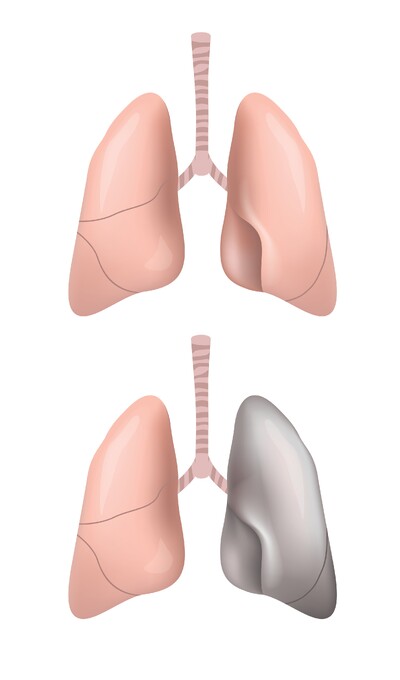
The small size of PM2.5 particles allows them to penetrate deeply into the lungs, reaching the alveolar regions where oxygen exchange occurs. From there, some particles are small enough to pass into the bloodstream. This deep penetration is what makes PM2.5 particularly harmful to human health. Long-term exposure has been associated with respiratory diseases, cardiovascular problems, and increased risk of premature mortality.
5. While sand grains fall quickly to the ground due to gravity, particulate matter remains airborne because of its microscopic size, increasing the likelihood of inhalation.
The visual comparison between human hair, PM10, and PM2.5 demonstrates why particulate matter is such a concern in environmental science. Hair is visible and easily handled, while particulate matter exists at a scale that allows it to bypass many natural filtration barriers. This comparison helps communicate the invisible nature of air pollution and why clean air cannot be judged solely by appearance.
Particulate matter affects not only human health but also environmental conditions. High concentrations reduce visibility, contribute to haze formation, and alter atmospheric processes. Fine particles can influence climate by absorbing or reflecting sunlight and by affecting cloud formation. These effects make particulate matter an important factor in both air quality management and climate studies.
Monitoring particulate matter is essential for protecting public health. Environmental agencies use specialized instruments to measure PM10 and PM2.5 concentrations in ambient air. These measurements help determine air quality levels, issue health advisories, and enforce pollution control regulations. Accurate monitoring allows authorities to identify pollution sources and develop strategies to reduce emissions.
Urban environments often experience higher particulate matter levels due to traffic density, industrial activity, and population concentration. However, rural areas are not immune, as agricultural dust, biomass burning, and natural sources also contribute. Weather conditions such as wind, temperature inversions, and humidity can further influence particulate matter behavior and concentration.
Public awareness plays a crucial role in reducing exposure to particulate matter. Understanding how small these particles are compared to human hair helps people recognize why protective measures are necessary. Using clean energy sources, reducing vehicle emissions, improving industrial controls, and supporting environmental policies all contribute to lowering particulate pollution levels.
Beyond simple size comparisons and health impacts, particulate matter plays a complex role in how air pollution interacts with biology, urban systems, ecosystems, and even social behavior. One of the lesser-discussed aspects is how particulate matter behaves once it enters indoor environments. Although people often associate air pollution with outdoor smog or traffic, a significant portion of human exposure occurs indoors. Fine particles easily infiltrate homes, offices, and schools through open windows, ventilation systems, and even small structural gaps. Once inside, they can remain suspended for long periods, especially in poorly ventilated spaces, leading to prolonged exposure even when outdoor air quality improves.
The chemical composition of particulate matter is just as important as its size. Particles are not uniform substances; they often act as carriers for toxic compounds. Many fine particles contain heavy metals, acidic compounds, organic chemicals, and reactive substances that can trigger inflammation at the cellular level. When inhaled, these compounds do not merely irritate tissues but can disrupt biological processes, interfere with immune responses, and increase oxidative stress within the body. This chemical complexity explains why particulate matter exposure is linked not only to lung disease but also to neurological effects, metabolic disorders, and developmental issues.
Another critical dimension is how particulate matter affects vulnerable populations differently. Children, for instance, breathe more air relative to their body weight than adults, which increases their exposure. Their lungs and immune systems are still developing, making them more sensitive to airborne particles. Elderly individuals, especially those with preexisting heart or lung conditions, are also at higher risk because particulate matter can exacerbate inflammation and reduce the body’s ability to recover from physiological stress. Pregnant individuals face unique risks as well, since certain fine particles can cross biological barriers and potentially influence fetal development.
Particulate matter also interacts with the environment in subtle but far-reaching ways. When particles settle on plant leaves, they can block sunlight and interfere with photosynthesis. Over time, this reduces plant growth and crop productivity, particularly in regions with chronic air pollution. Fine particles deposited in soil and water bodies can alter chemical balances, affecting microorganisms that play essential roles in nutrient cycling. These ecological impacts often go unnoticed but can gradually weaken ecosystems and reduce their resilience to other environmental stresses.
In urban settings, particulate matter contributes to what is known as the urban heat island effect. Dark particles, especially those rich in carbon, absorb heat and raise local temperatures. This warming can increase energy demand for cooling, which in turn leads to higher emissions if fossil fuels are used. The result is a feedback loop where particulate pollution and energy consumption reinforce one another. This interaction highlights how air pollution is not an isolated problem but part of a broader system linking climate, infrastructure, and human behavior.
Technological advancements have significantly improved the ability to detect and analyze particulate matter. Modern monitoring devices can now measure not only particle size and concentration but also chemical composition in near real time. Satellite observations complement ground-based measurements by providing large-scale views of particulate movement across regions and continents. These tools have revealed that particulate matter does not respect political boundaries; pollution generated in one area can travel thousands of kilometers, affecting populations far from the original source.
Economic factors also play a substantial role in particulate matter exposure. Communities located near industrial zones, major highways, or waste-burning sites often experience higher pollution levels. These areas are frequently inhabited by lower-income populations, creating an environmental inequality where those with fewer resources face greater health risks. Addressing particulate matter pollution therefore requires not only technical solutions but also social and policy-driven approaches that prioritize fairness and public well-being.
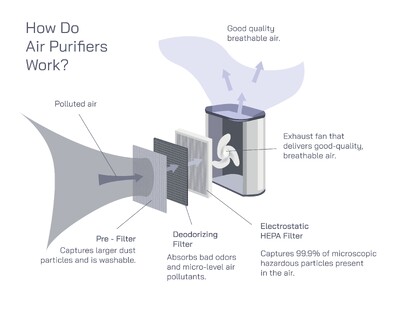
Behavioral changes at the individual level can meaningfully reduce exposure, even when pollution sources persist. Simple actions such as improving indoor air filtration, avoiding heavy outdoor activity during peak pollution hours, and maintaining green spaces can make a noticeable difference. Urban vegetation, for example, can trap certain particles on leaf surfaces and improve local air quality, offering both environmental and psychological benefits.
Looking ahead, reducing particulate matter pollution depends heavily on transitioning to cleaner energy systems and more efficient transportation. Electric vehicles, renewable power generation, and cleaner industrial processes significantly lower the production of fine particles. However, natural sources such as wildfires and dust storms are becoming more frequent due to climate change, introducing new challenges. This means that particulate matter control strategies must adapt to a changing climate while continuing to address human-made emissions.
When particulate matter is examined more deeply, it becomes clear that its influence extends far beyond immediate health symptoms or simple air quality metrics. One important aspect is how the human body responds over time to repeated exposure. Unlike acute pollutants that cause immediate discomfort, particulate matter often produces slow, cumulative effects. The body may initially adapt by activating defense mechanisms such as mucus production or immune responses, but long-term exposure can overwhelm these systems. This gradual burden explains why people living for years in polluted environments may develop chronic conditions even if they do not experience obvious symptoms at first.
At the microscopic level, particulate matter interacts directly with cells. Very fine particles can disturb cellular membranes and interfere with normal signaling processes. Some particles trigger inflammatory responses that remain active long after exposure ends. Persistent inflammation is now understood as a key factor behind many long-term diseases, including those affecting the heart and blood vessels. This connection helps explain why air pollution is increasingly recognized as a cardiovascular risk factor rather than only a respiratory concern.
Another overlooked dimension is how particulate matter affects cognitive and mental health. Emerging research suggests that long-term exposure to fine particles may influence brain function. Some particles are capable of reaching the brain through the bloodstream or via the olfactory nerve. Once there, they may contribute to neuroinflammation, which has been linked to memory decline, reduced concentration, and higher risks of neurological disorders. This adds a new layer of concern, especially for children whose brains are still developing and for older adults who may already be vulnerable to cognitive decline.
Particulate matter also plays a role in shaping urban lifestyles and behavior. In cities with frequent pollution episodes, people often limit outdoor activities, which can reduce physical exercise and social interaction. Over time, this can indirectly affect public health by increasing sedentary behavior and stress levels. Thus, particulate pollution not only harms health directly through inhalation but also indirectly by altering how people use public spaces and engage with their environment.
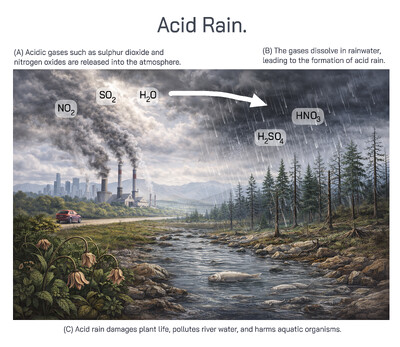
From an environmental chemistry perspective, particulate matter serves as a platform for chemical reactions in the atmosphere. Gases emitted from vehicles and industrial sources can attach to particle surfaces, where they undergo transformations driven by sunlight and humidity. These reactions can generate secondary pollutants that are sometimes more harmful than the original substances. This dynamic nature of particulate matter makes it especially challenging to control, as reducing one emission source does not always eliminate the resulting pollution.
The relationship between particulate matter and weather is another critical factor. Certain atmospheric conditions can trap particles close to the ground, leading to sudden pollution spikes. Temperature inversions, for example, prevent warm air from rising and dispersing pollutants, causing them to accumulate near the surface. In contrast, heavy rainfall can temporarily reduce particulate concentrations by washing particles out of the air. Understanding these interactions helps explain why air quality can vary dramatically from day to day even when emission sources remain constant.
In rural and semi-natural environments, particulate matter can originate from soil erosion, forest fires, and biological materials such as spores. While these sources are often considered natural, their impacts are not necessarily benign. Smoke from wildfires, for instance, contains extremely fine particles that can travel long distances and affect populations far from the fire itself. As climate patterns shift, the frequency and intensity of such events are increasing, making natural particulate sources an expanding concern.
Technological innovation is opening new possibilities for addressing particulate pollution. Advances in material science have led to more efficient filtration systems capable of capturing ultrafine particles. Urban planners are also experimenting with building designs that improve airflow and reduce pollutant accumulation at street level. These approaches recognize that managing particulate matter requires integrating engineering, architecture, and environmental science rather than relying solely on emission controls.
On a societal level, particulate matter has become an indicator of broader environmental performance. Regions with cleaner air often benefit from coordinated policies that address energy use, transportation, and land management simultaneously. Conversely, areas with persistent particulate pollution often face overlapping challenges such as rapid urbanization, inadequate infrastructure, and limited regulatory enforcement. Addressing particulate matter therefore often leads to broader improvements in quality of life, economic efficiency, and public health systems.
Education and communication remain essential tools in reducing the impact of particulate matter. When people understand that air pollution is not just a distant environmental issue but something that directly enters their bodies, awareness increases. Visual and relatable comparisons, such as those involving everyday objects, help bridge the gap between abstract measurements and real-world experience. This understanding empowers individuals and communities to support cleaner technologies, demand stronger policies, and adopt habits that reduce both emissions and exposure.
In the larger picture, particulate matter illustrates how modern life is intertwined with invisible environmental forces. Its presence reflects choices about energy, transportation, consumption, and land use. While the particles themselves are microscopic, their consequences accumulate across populations and generations. Recognizing this interconnectedness reinforces the importance of viewing particulate matter not as an isolated pollutant but as a signal of how human activity interacts with natural systems, and how thoughtful action can gradually restore balance to the air we breathe.
Ultimately, particulate matter represents one of the most tangible links between environmental conditions and human health. Its microscopic size allows it to infiltrate bodies, buildings, and ecosystems with ease, while its effects accumulate silently over time. Understanding these deeper dimensions reinforces why particulate matter is not merely a scientific measurement but a public health priority that intersects with technology, equity, and sustainability.
In conclusion, particulate matter consists of microscopic airborne particles that are far smaller than a human hair. PM10 particles are small enough to enter the respiratory system, while PM2.5 particles are so fine that they can penetrate deep into the lungs and bloodstream. Comparing these particles to the diameter of human hair provides a clear and powerful visual understanding of their size and potential danger. Recognizing this scale is essential for appreciating the importance of air quality monitoring, pollution control, and public health protection.