The human body is made up of many specialized tissues, each designed to perform specific roles that together allow movement, protection, energy storage, and survival. Among these tissues, tendons, muscles, ligaments, bones, and fat are often mentioned together, yet they are fundamentally different in structure, function, and biological purpose. Understanding the differences between tendon, muscle, ligament, bone, and fat helps clarify how the body moves, how joints remain stable, how strength is generated, and how energy is stored and protected.
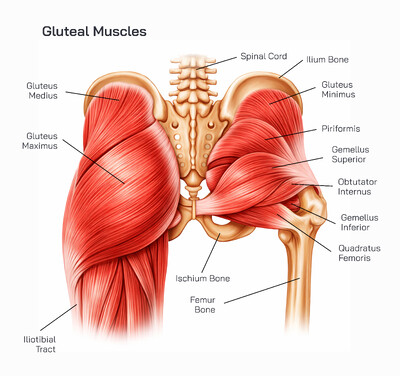
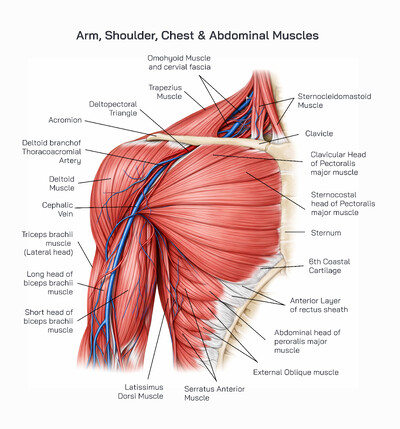
Muscle tissue is the active component of movement in the human body. Muscles have the unique ability to contract and relax, producing force and motion. Skeletal muscles are attached to bones and are responsible for voluntary movements such as walking, lifting, and facial expression. Muscle tissue is composed of long fibers arranged in bundles, rich in blood supply and nerve connections. These fibers shorten during contraction, pulling on bones to create movement. Muscles are elastic and flexible, allowing them to change length and shape repeatedly without damage when used properly.
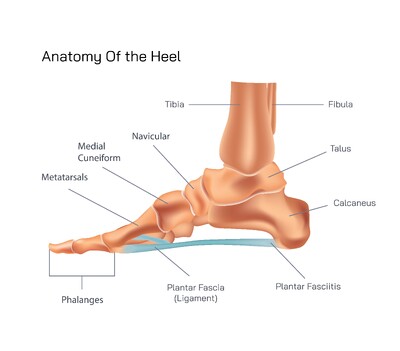
Tendons serve as the connection between muscles and bones. Unlike muscles, tendons cannot contract. Their primary function is to transmit the force generated by muscle contraction to the bone, resulting in movement at a joint. Tendons are composed mainly of strong collagen fibers arranged in parallel, giving them high tensile strength. This structure allows tendons to withstand significant pulling forces without stretching excessively. Tendons are tough, fibrous, and relatively inelastic compared to muscles, which helps maintain precise control of movement.
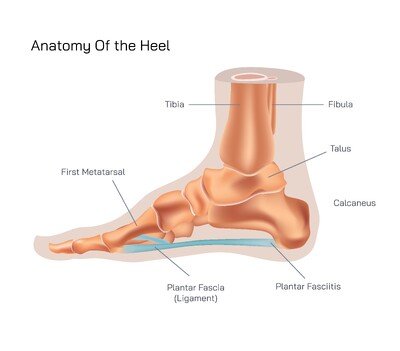
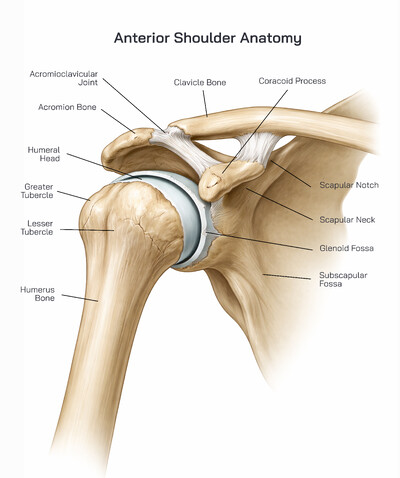
Ligaments are similar in appearance to tendons but serve a different function. Ligaments connect bone to bone, forming and stabilizing joints. Their main role is to maintain joint alignment and prevent excessive or abnormal movement that could cause injury. Ligaments are composed of dense connective tissue with collagen fibers arranged in a more crisscross pattern compared to tendons. This arrangement provides both strength and a limited degree of flexibility, allowing joints to move within safe limits while remaining stable.
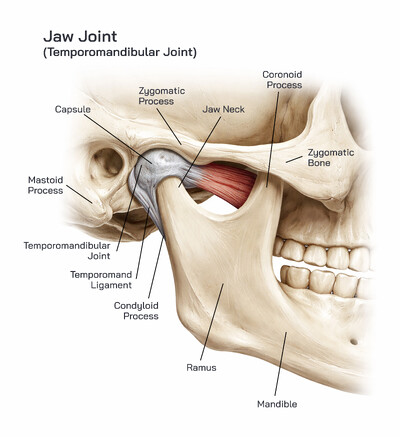
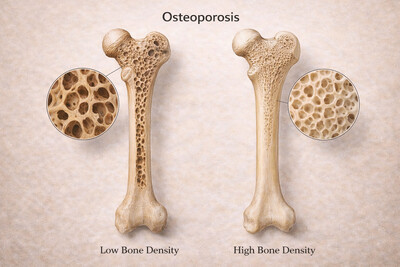
Bone tissue forms the rigid framework of the body. Bones provide structural support, protect vital organs, and serve as levers for movement. Unlike tendons and ligaments, bones are hard and mineralized, containing calcium and phosphorus that give them strength and rigidity. Bone tissue is living and dynamic, constantly undergoing remodeling to adapt to stress and repair damage. In addition to structural roles, bones house bone marrow, which is responsible for producing blood cells, and they act as reservoirs for essential minerals.
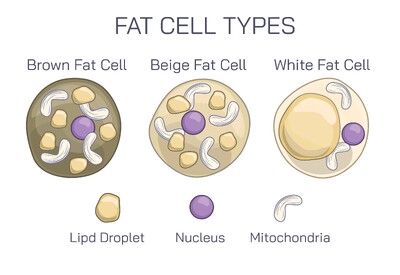
Fat tissue, also known as adipose tissue, has a very different role compared to the other tissues discussed. Fat does not contribute directly to movement or joint stability. Instead, it functions as an energy storage system, insulation layer, and protective cushion for internal organs. Fat cells store excess energy in the form of lipids and release it when the body requires fuel. Adipose tissue also helps regulate body temperature and supports hormonal functions. Structurally, fat is soft and compressible, providing padding rather than strength.
When comparing muscle and tendon, the key difference lies in activity and elasticity. Muscles actively contract and generate force, while tendons passively transmit that force to bones. Muscles are richly supplied with blood and nerves, whereas tendons have a relatively limited blood supply, which explains why tendon injuries often heal more slowly. Muscles are more elastic and adaptable, while tendons prioritize strength and durability.
Comparing tendons and ligaments highlights differences in attachment and function. Tendons attach muscle to bone and focus on movement efficiency, while ligaments attach bone to bone and focus on joint stability. Tendons are usually stronger in one direction of pull, whereas ligaments are designed to resist forces from multiple directions to protect joints.
Bones differ from all other tissues in hardness and load-bearing capacity. While muscles, tendons, and ligaments are flexible to varying degrees, bones are rigid structures that resist compression. Bones support body weight, maintain shape, and protect organs such as the brain, heart, and lungs. Unlike fat tissue, which provides cushioning, bones form the core framework that defines body structure.
Fat tissue contrasts sharply with muscle in both function and appearance. Muscle tissue is dense, firm, and designed for movement, whereas fat tissue is soft and designed for storage and insulation. While muscles consume energy to produce movement, fat stores energy for future use. Healthy amounts of fat are essential for survival, but excessive fat accumulation can affect movement efficiency and overall health.
From a functional perspective, all five tissues work together to maintain normal body function. Muscles generate force, tendons transmit that force, ligaments stabilize joints, bones provide structure, and fat supports energy balance and protection. A weakness or injury in any one of these tissues can disrupt movement and overall body mechanics.
In medical and educational contexts, understanding the differences between tendon, muscle, ligament, bone, and fat is essential for diagnosing injuries, planning treatment, and maintaining physical health. Sports injuries often involve muscles, tendons, or ligaments, while bone injuries involve fractures. Metabolic health is closely linked to fat tissue balance.
The human body functions as an integrated biological system in which different tissues perform specialized yet interconnected roles. Tendons, muscles, ligaments, bones, and fat are often discussed together because they collectively determine how the body moves, maintains stability, stores energy, and protects vital structures. Although they may appear similar in everyday language, these tissues differ greatly in composition, mechanical properties, biological behavior, and functional importance. Understanding these differences provides deeper insight into human movement, injury mechanisms, healing capacity, and overall physical health.
Muscle tissue is the primary driver of movement and force production. Skeletal muscles are designed to contract voluntarily under nervous system control, allowing precise and powerful movements. At a microscopic level, muscle fibers contain organized contractile elements that slide past each other during contraction, converting chemical energy into mechanical work. This ability makes muscle tissue unique among the body’s tissues. Muscles are highly vascular, receiving a rich blood supply that delivers oxygen and nutrients while removing waste products. This high metabolic activity allows muscles to adapt rapidly to training or disuse, increasing or decreasing in size and strength based on demand. Muscles also play a major role in posture, joint protection, and heat production, contributing to body temperature regulation.
Tendons act as strong, fibrous connectors that link muscle tissue to bone. They do not generate movement themselves but are essential for translating muscle contraction into skeletal motion. The collagen fibers within tendons are arranged in parallel bundles, optimizing them for handling tensile forces generated during muscle contraction. This structure gives tendons exceptional strength while limiting their ability to stretch. Their relative stiffness ensures efficient force transfer, allowing precise control of movement. However, this same property makes tendons more vulnerable to overuse injuries, as they adapt and heal more slowly than muscles due to limited blood supply. Tendons are therefore critical for movement efficiency but require careful balance between load and recovery.
Ligaments, while similar in appearance to tendons, serve a stabilizing rather than movement-generating role. They connect bones to other bones and help define the limits of joint motion. Ligament fibers are arranged in a more interwoven pattern than tendon fibers, enabling them to resist forces from multiple directions. This design allows ligaments to maintain joint alignment during movement and prevent excessive motion that could damage cartilage or bone. Ligaments are slightly more elastic than tendons, providing controlled flexibility rather than rigid restraint. When ligaments are damaged, joint stability is compromised, increasing the risk of abnormal movement and long-term degeneration.
Bone tissue forms the rigid structural framework of the body and differs fundamentally from soft connective tissues. Bones are mineralized, making them capable of withstanding compressive forces that muscles, tendons, and ligaments cannot tolerate. Their internal structure combines strength with lightness, allowing support of body weight without unnecessary mass. Bone tissue is living and constantly remodeled in response to mechanical stress, hormonal signals, and nutritional status. This adaptability allows bones to become stronger with use and weaker with inactivity. In addition to providing structure and leverage for movement, bones protect vital organs and serve as sites for blood cell production and mineral storage, making them essential beyond movement alone.
Fat tissue, or adipose tissue, plays a supportive and regulatory role rather than a mechanical one. Unlike muscle, fat does not contract, and unlike bone, it does not support load. Its primary function is energy storage, allowing the body to survive periods of limited food availability. Fat tissue also provides thermal insulation, reducing heat loss, and cushions internal organs against mechanical shock. In addition, adipose tissue is hormonally active, releasing substances that influence metabolism, appetite, and inflammation. While excess fat can impair movement and stress joints, a healthy amount is essential for normal physiological function.
When comparing muscle and fat, the contrast is especially clear. Muscle tissue consumes energy to produce movement and maintain posture, while fat tissue stores energy for future use. Muscle is dense and firm, designed for force production, whereas fat is soft and compressible, designed for protection and storage. A balanced relationship between muscle and fat is crucial for efficient movement, metabolic health, and physical resilience.
The interaction between muscle, tendon, ligament, and bone is central to biomechanics. Muscles generate force, tendons transmit that force to bones, bones act as levers, and ligaments guide and limit joint motion. This coordinated system allows smooth, controlled movement while protecting joints from instability. If one component fails, the entire system is affected. For example, strong muscles cannot function effectively if tendons are damaged, and healthy bones are at risk if ligaments fail to stabilize joints.
Healing capacity also varies significantly among these tissues. Muscles heal relatively quickly due to good blood supply and regenerative capacity. Tendons and ligaments heal more slowly, often forming scar tissue that may not fully restore original strength or elasticity. Bone, despite its rigidity, has a remarkable ability to heal through regeneration rather than repair, often restoring original structure if properly aligned. Fat tissue can expand or shrink readily, adapting to changes in energy balance rather than mechanical demand.
In clinical practice, distinguishing between these tissues is essential for accurate diagnosis and treatment. Muscle injuries often involve strains or tears and respond well to controlled movement and rehabilitation. Tendon and ligament injuries require longer recovery and careful load management to restore function without reinjury. Bone injuries involve fractures that may require immobilization or surgical intervention. Disorders of fat tissue are more closely linked to metabolic and hormonal health rather than mechanical damage.
From an educational perspective, understanding the differences between tendon, muscle, ligament, bone, and fat highlights how specialization within the body supports complex function. Each tissue is optimized for its role, whether generating force, transmitting movement, stabilizing joints, providing structure, or storing energy. Together, they form a coordinated system that allows humans to move efficiently, adapt to physical demands, and maintain internal balance.
Tendons, muscles, ligaments, bones, and fat represent five fundamentally different tissues that together create the structural, mechanical, and metabolic foundation of the human body. Although they are often discussed collectively in relation to movement and physical health, each of these tissues has a distinct biological composition, function, and role in maintaining overall body balance. Their differences explain how the body generates motion, stabilizes joints, withstands mechanical stress, stores energy, and adapts to changing physical demands.
Muscle tissue is uniquely specialized for contraction, which is the basis of all voluntary movement. Skeletal muscles are controlled by the nervous system and respond rapidly to electrical signals that trigger contraction and relaxation. This ability allows muscles to generate force, control body position, and perform precise movements. Muscle fibers are organized into bundles that shorten when activated, converting chemical energy into mechanical energy. Because muscles are richly supplied with blood vessels and nerves, they have a high capacity for adaptation. Regular use strengthens muscles, increasing their size and endurance, while inactivity leads to weakening and shrinkage. Muscles also play a key role in joint protection by absorbing shock and controlling movement, reducing stress on bones and connective tissues. In addition, muscle tissue contributes significantly to metabolic health by consuming energy and producing heat.
Tendons function as strong, resilient connectors between muscles and bones. Their primary role is to transmit the force generated by muscle contraction to the skeleton, enabling movement at joints. Tendons are composed mainly of tightly packed collagen fibers aligned in the direction of force transmission. This parallel arrangement gives tendons exceptional tensile strength, allowing them to withstand repeated pulling forces without tearing. Unlike muscles, tendons do not actively contract and have limited elasticity. Their stiffness ensures efficient force transfer, which is essential for precise and controlled movement. However, tendons have a relatively poor blood supply compared to muscles, which means they heal more slowly after injury. Overuse or excessive loading can lead to tendon degeneration, highlighting the importance of balanced movement and adequate recovery.
Ligaments are another type of dense connective tissue, but their function differs from that of tendons. Ligaments connect bone to bone and serve primarily to stabilize joints. They guide joint motion and prevent excessive or abnormal movements that could damage cartilage or bone. The collagen fibers in ligaments are arranged in a more interwoven pattern rather than strictly parallel, allowing them to resist forces from multiple directions. This structure provides strength combined with limited flexibility, ensuring joints remain stable while still permitting necessary movement. Ligament integrity is essential for joint alignment and balance. When ligaments are damaged, joints may become unstable, increasing the risk of further injury and long-term wear.
Bone tissue forms the rigid framework that supports the body and enables movement. Bones are highly specialized structures composed of mineralized tissue that provides strength and resistance to compression. Unlike muscles, tendons, and ligaments, bones are designed to bear weight and protect vital organs. They act as levers that muscles pull on, amplifying movement and allowing efficient locomotion. Bone is living tissue that continuously remodels itself in response to mechanical stress, hormonal signals, and nutritional factors. This remodeling allows bones to strengthen with use and weaken with prolonged inactivity. Beyond mechanical support, bones play essential roles in blood cell production and mineral storage, making them critical to both movement and internal physiology.
Fat tissue, or adipose tissue, differs significantly from the other tissues in both structure and function. It does not contribute directly to movement or joint stability. Instead, its primary role is energy storage. Fat cells store excess energy in the form of lipids, which can be released when the body requires fuel. Adipose tissue also provides thermal insulation, helping maintain body temperature, and acts as a protective cushion for internal organs. In addition, fat tissue functions as an endocrine organ, releasing hormones that influence metabolism, appetite, and inflammation. While excessive fat accumulation can impair movement and increase stress on joints, an adequate amount of fat is essential for normal physiological function and survival.
The differences between muscle and tendon highlight the contrast between active and passive tissues. Muscles actively generate force through contraction, while tendons passively transmit that force to bones. Muscles are elastic and adaptable, whereas tendons prioritize strength and stability. This complementary relationship allows movement to be both powerful and controlled. If muscles were directly attached to bones without tendons, movement would be less efficient and more prone to injury.
Similarly, the distinction between tendons and ligaments lies in their attachments and roles. Tendons connect muscle to bone and are optimized for unidirectional force transmission, while ligaments connect bone to bone and are designed to stabilize joints against forces from multiple directions. This difference explains why tendon injuries often affect movement strength, while ligament injuries primarily affect joint stability.
Bones differ from all soft tissues in their rigidity and load-bearing capacity. While muscles, tendons, and ligaments can stretch and adapt to movement, bones provide the solid framework that resists compression and defines body shape. Without bones, movement would lack structure, and internal organs would lack protection.
Fat tissue contrasts sharply with muscle in both purpose and behavior. Muscle uses energy to produce movement and maintain posture, while fat stores energy for later use. Muscle tissue enhances strength and mobility, whereas fat tissue supports survival and metabolic balance. A healthy balance between muscle and fat is essential for efficient movement, joint health, and overall well-being.
Functionally, these five tissues operate as a coordinated system. Muscles generate force, tendons transmit that force, ligaments stabilize joints, bones provide structure and leverage, and fat supports energy balance and protection. Injury, weakness, or imbalance in any one tissue affects the entire system. For example, weak muscles increase stress on ligaments, damaged ligaments alter bone alignment, and excess fat increases load on bones and joints.
In medical and educational contexts, understanding the differences between tendon, muscle, ligament, bone, and fat is fundamental. It aids in diagnosing injuries, planning rehabilitation, and maintaining long-term physical health. Sports injuries commonly involve muscles, tendons, or ligaments, while fractures affect bones and metabolic disorders involve fat tissue. Recognizing the unique properties of each tissue helps guide appropriate treatment and prevention strategies.
In summary, tendon, muscle, ligament, bone, and fat are distinct yet interdependent tissues, each optimized for a specific role. Together, they create a system capable of movement, stability, protection, and energy management. Appreciating their differences provides a deeper understanding of how the human body functions efficiently and adapts to the physical demands of daily life. Muscles provide power and movement, tendons transmit that power, ligaments ensure stability, bones offer structure and protection, and fat supports energy storage and insulation. None of these tissues functions in isolation. Their interaction defines human mobility, strength, and resilience. A clear understanding of their differences and relationships is fundamental to anatomy, medicine, sports science, and overall physical health.
In conclusion, tendon, muscle, ligament, bone, and fat are distinct tissues with specialized structures and functions. Muscles create movement, tendons transfer force, ligaments stabilize joints, bones provide strength and support, and fat stores energy and protects the body. Together, these tissues form an integrated system that enables mobility, stability, and survival. Understanding their differences deepens knowledge of human anatomy and highlights the remarkable specialization within the human body.