Parallel and series circuits are the two fundamental ways in which electrical components are connected in an electrical system. These circuit types form the foundation of electrical and electronic technology and are essential concepts in physics, engineering, and everyday electricity use. Understanding how series and parallel circuits work helps explain how electrical devices operate, how power is distributed, and why certain circuit arrangements are used in homes, industries, and electronic equipment.
Basic Concept of Electrical Circuits
An electrical circuit is a closed path through which electric current flows. It consists of a power source, conducting wires, and one or more electrical components such as bulbs or resistive devices. For current to flow continuously, the circuit must remain complete without breaks. The way components are connected within this closed path determines the behavior of the circuit, leading to two main categories: series circuits and parallel circuits.
Series Circuit Structure
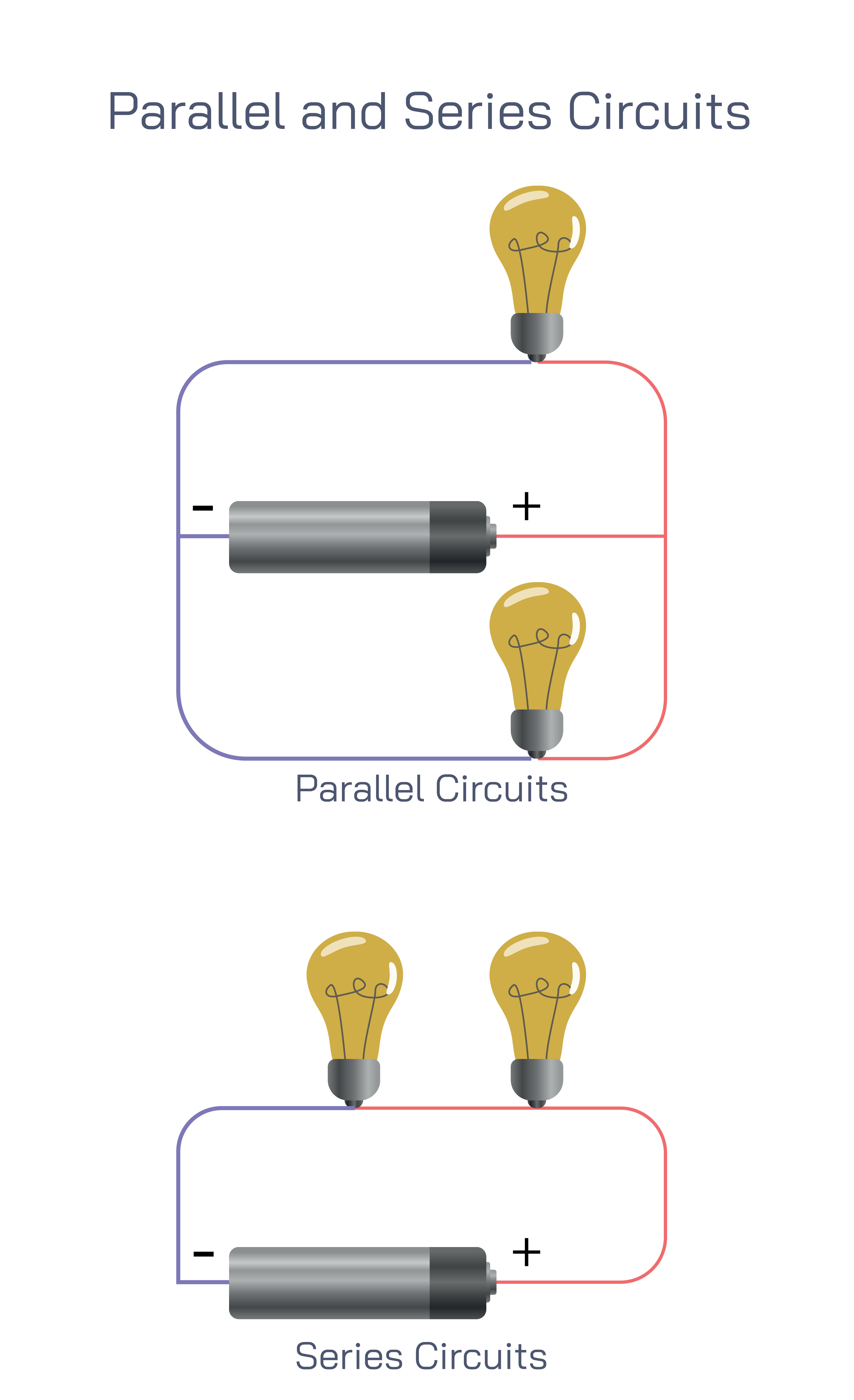
In a series circuit, electrical components are connected end to end, forming a single continuous path for current flow. The current flows from the power source through each component one after another before returning to the source. Because there is only one path, the same current flows through every component in the circuit.
In a typical series circuit with multiple bulbs, the bulbs are arranged in a line. If one bulb is removed or fails, the circuit becomes open, and current stops flowing through the entire circuit. As a result, all bulbs go off at the same time. This characteristic highlights the dependent nature of components in a series arrangement.
Working Principle of Series Circuits
The working of a series circuit is based on the idea that electric current has only one route to follow. As current passes through each component, energy is transferred to that component. This means the energy provided by the power source is shared among all components. When more components are added to a series circuit, each component receives less energy, causing bulbs to glow dimmer.
Voltage is divided among the components in a series circuit. Each component uses a portion of the total voltage supplied by the source. Because of this voltage division, series circuits are not suitable for devices that require the same voltage to operate properly.
Characteristics of Series Circuits
Series circuits have several defining characteristics. The current remains the same throughout the circuit, while the voltage is divided among components. The overall resistance of the circuit increases as more components are added. This increase in resistance reduces the total current flowing through the circuit. Series circuits are simple in design but less reliable for practical use because a single fault affects the entire system.
Parallel Circuit Structure
In a parallel circuit, components are connected across separate branches, creating multiple paths for current flow. Each component is connected directly to the power source. This means current splits at junctions and flows through different branches simultaneously. After passing through the components, the current recombines and returns to the source.
In a parallel circuit with bulbs, each bulb operates independently. If one bulb fails or is removed, the remaining bulbs continue to glow. This independent operation makes parallel circuits more reliable and suitable for everyday electrical systems.
Working Principle of Parallel Circuits
The working of a parallel circuit is based on the availability of multiple paths for current. Each branch receives the same voltage as the power source. Because voltage remains constant across all components, devices connected in parallel operate at their intended voltage level.
Current in a parallel circuit is divided among the branches depending on the characteristics of each component. The total current supplied by the source is equal to the sum of currents flowing through individual branches. Adding more components increases the total current drawn but does not reduce the voltage across existing components.
Characteristics of Parallel Circuits
Parallel circuits are characterized by equal voltage across all components, independent operation of devices, and multiple current paths. The overall resistance of a parallel circuit decreases as more components are added. This allows more current to flow from the power source. Parallel circuits provide consistent performance and are widely used in residential wiring and electrical distribution systems.
Comparison Between Series and Parallel Circuits
Series and parallel circuits differ significantly in structure and behavior. In series circuits, components share a single path and depend on each other for operation. In parallel circuits, components operate independently with separate paths for current. Series circuits divide voltage among components, while parallel circuits provide the same voltage to each component. These differences determine where each type of circuit is best used.
Applications of Series Circuits
Series circuits are commonly used in situations where a simple control of current is required. They are found in decorative lighting, fuse connections, and certain sensing devices. Because of their simplicity, series circuits are often used in educational demonstrations to explain basic electrical principles.
Applications of Parallel Circuits
Parallel circuits are used in almost all household and industrial electrical systems. Home wiring is done in parallel so that appliances receive full voltage and operate independently. Street lighting, electrical outlets, and electronic devices rely on parallel connections for safety and reliability. Parallel circuits ensure that a failure in one component does not disrupt the entire system.
Educational Importance of Series and Parallel Circuits
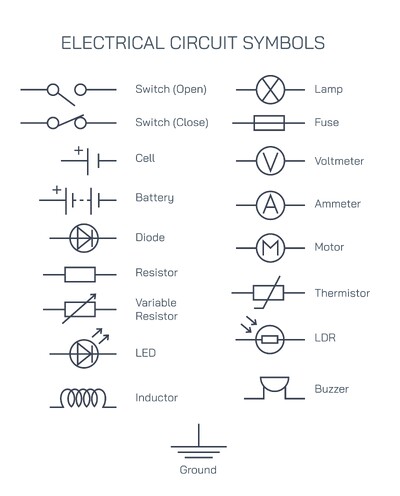
Understanding series and parallel circuits is essential in physics education. These concepts help students learn how electricity flows, how energy is distributed, and how electrical systems are designed. Circuit diagrams and visual illustrations play a crucial role in building conceptual clarity. Learning these basics prepares students for advanced topics in electronics and electrical engineering.
Safety and Practical Considerations
Parallel circuits are generally safer for practical use because they maintain operation even if one component fails. Series circuits, while simpler, are less practical for systems requiring reliability. Understanding these differences is important for safe electrical design and efficient energy use.
Conclusion
Series and parallel circuits represent the two fundamental ways of connecting electrical components. Series circuits provide a single path for current and share voltage among components, while parallel circuits offer multiple paths and supply equal voltage to each component. Each circuit type has unique characteristics, advantages, and applications. Understanding how series and parallel circuits work is essential for learning electricity, designing electrical systems, and appreciating the technology that powers everyday life.