3D Rendered Neuron: A Comprehensive Look at Brain Cell Structure and Information Flow
The neuron stands as one of the most remarkable biological creations, designed to guide thoughts, movements, sensations, and countless internal processes that support life. A 3D rendered illustration of this specialized cell offers a powerful visual that reveals features often concealed within microscopic regions. Through detailed digital shaping, refined lighting, and layered textures, such a representation opens a window into the hidden world of neural communication, allowing viewers to appreciate how an individual cell contributes to the complexity of the brain and the broader nervous system.
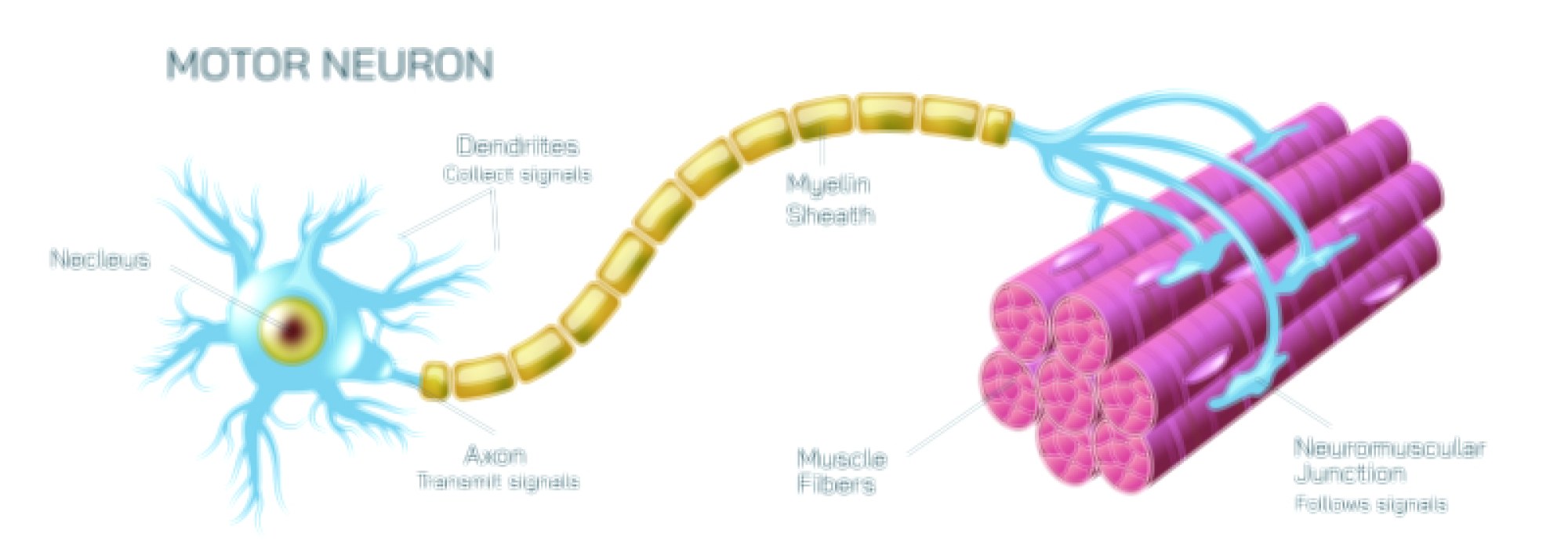
At the core of this illustration is the cell body, where vital internal components maintain energy, repair systems, and resource storage. This central region anchors every other structural element, enabling the cell to remain stable while interacting with surrounding tissue. The 3D depiction highlights the contours, surface patterns, and internal glow that symbolize continuous activity. Each segment appears arranged to emphasize how the neuron maintains its integrity while processing incoming information.
Supporting the cell body are dendrites, the intricate branching structures responsible for receiving signals from neighboring cells. In a carefully rendered digital environment, these branches appear dynamic and organic, resembling a dense biological network reaching outward to establish new connections. Their complexity reflects the enormous variety and quantity of messages that travel through neural environments. More branches often indicate greater potential communication, and the 3D view makes this relationship instantly understandable through depth and shading.
Extending from the cell body is the axon, the elongated segment that carries electrical information toward distant targets. Its sturdy form is carefully shaped in the illustration to highlight its importance as the main transmission pathway. Along the axon surface, subtle variations demonstrate the protective layers and structural elements that enable efficient signal movement. The rendered glow suggests constant energy flow, reinforcing the idea that communication through these cells happens rapidly and continuously.
At the far end of the axon lie the terminals, the delicate structures that allow messages to cross into other cells. In many illustrations, these terminals are shown hovering near a receiving dendrite, creating a visual representation of how communication depends on close positioning and coordinated movement of chemicals across narrow spaces. The 3D format enhances this relationship by giving depth and form to each interacting part, making it easier to understand the complexity of these exchanges.
Surrounding the entire structure is an environment filled with subtle textures that reflect the natural biological setting in which neurons operate. This background gives context to the cell, suggesting the busy and interconnected world of the brain without overshadowing the central subject. A sense of motion may be visible through fine lighting changes or soft gradients, symbolizing ongoing activity within the nervous network.
Such a 3D illustration also highlights how the neuron interacts with muscle fibers, glandular cells, and other nerve units. Although only one cell is shown, the design often hints at broader systems by placing faint surrounding shadows or blurred shapes representing nearby cells. This approach draws attention to the importance of collaboration in brain function, illustrating that no single neuron works alone. Instead, they operate as components of elaborate networks that constantly adapt, strengthen, or reorganize connections depending on experience, learning, or environmental change.
The digital rendering thus becomes more than a visual tool. It serves as a bridge between raw biological detail and intuitive understanding. By presenting the structure in a clear and immersive way, the illustration encourages appreciation of processes that allow the human body to move, think, speak, sense, and respond. Every branch, surface, and shaded region carries meaning, highlighting the precision and elegance of neural design.
Overall, a 3D rendered neuron offers a powerful educational asset, revealing structure, function, and connectivity with unmatched clarity. It strengthens understanding of brain activity, supports learning for students, enhances scientific presentations, and deepens public appreciation for the complex systems that guide human experience. Through a blend of visualization and biology, the illustration transforms a microscopic world into an accessible and captivating experience.