Understanding the Molecular Helix Through High-Clarity 3D Visualization
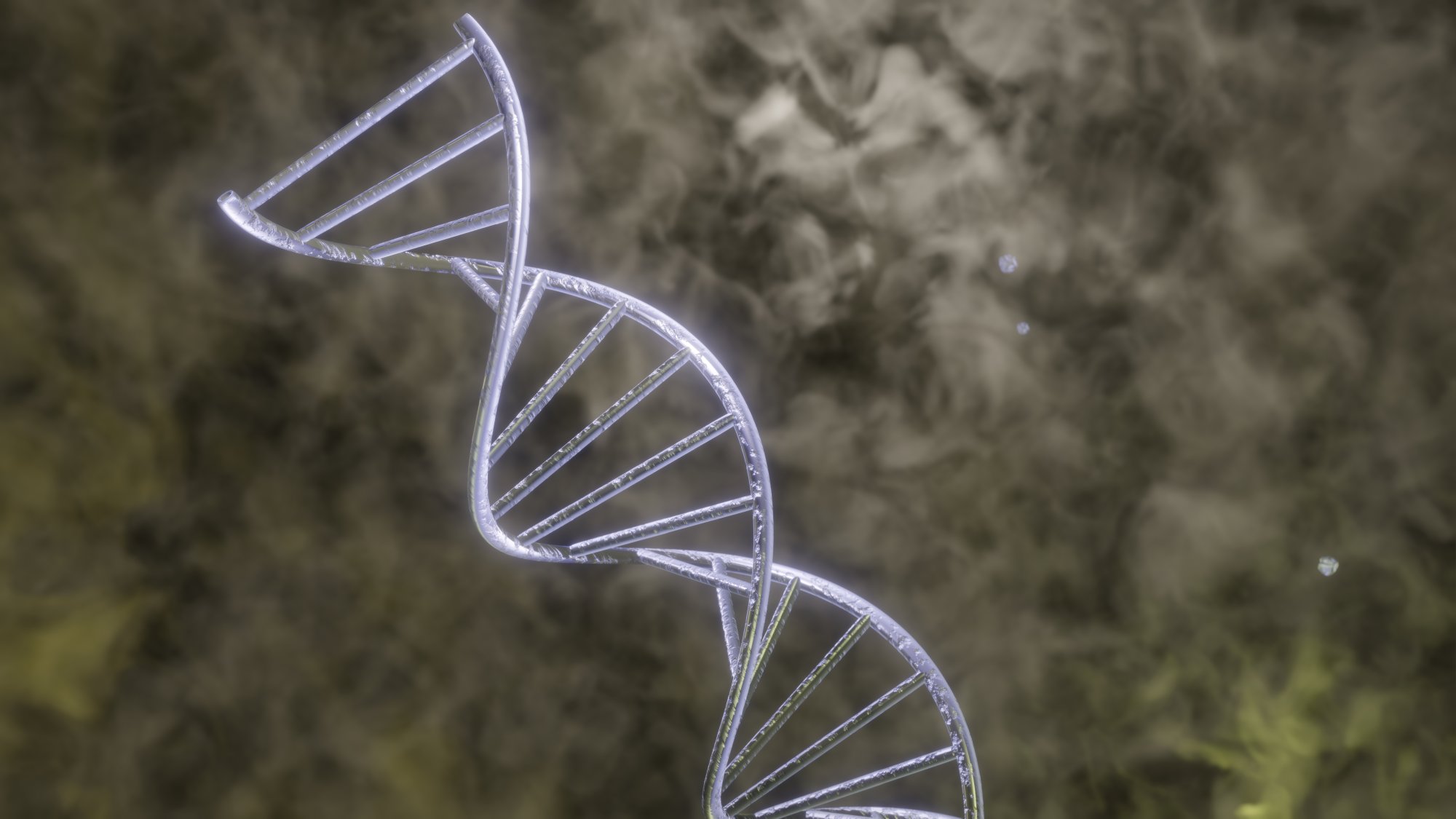
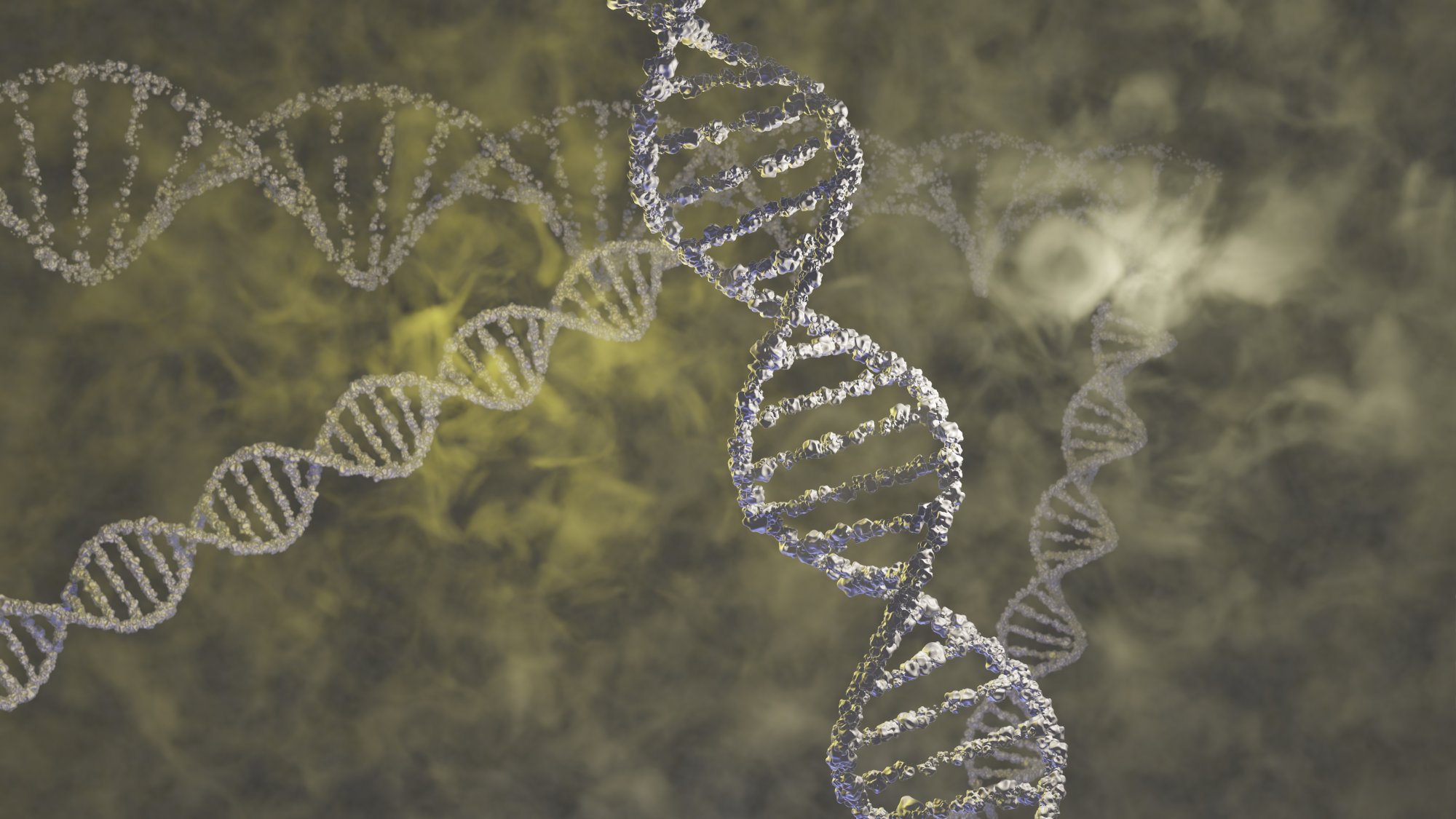
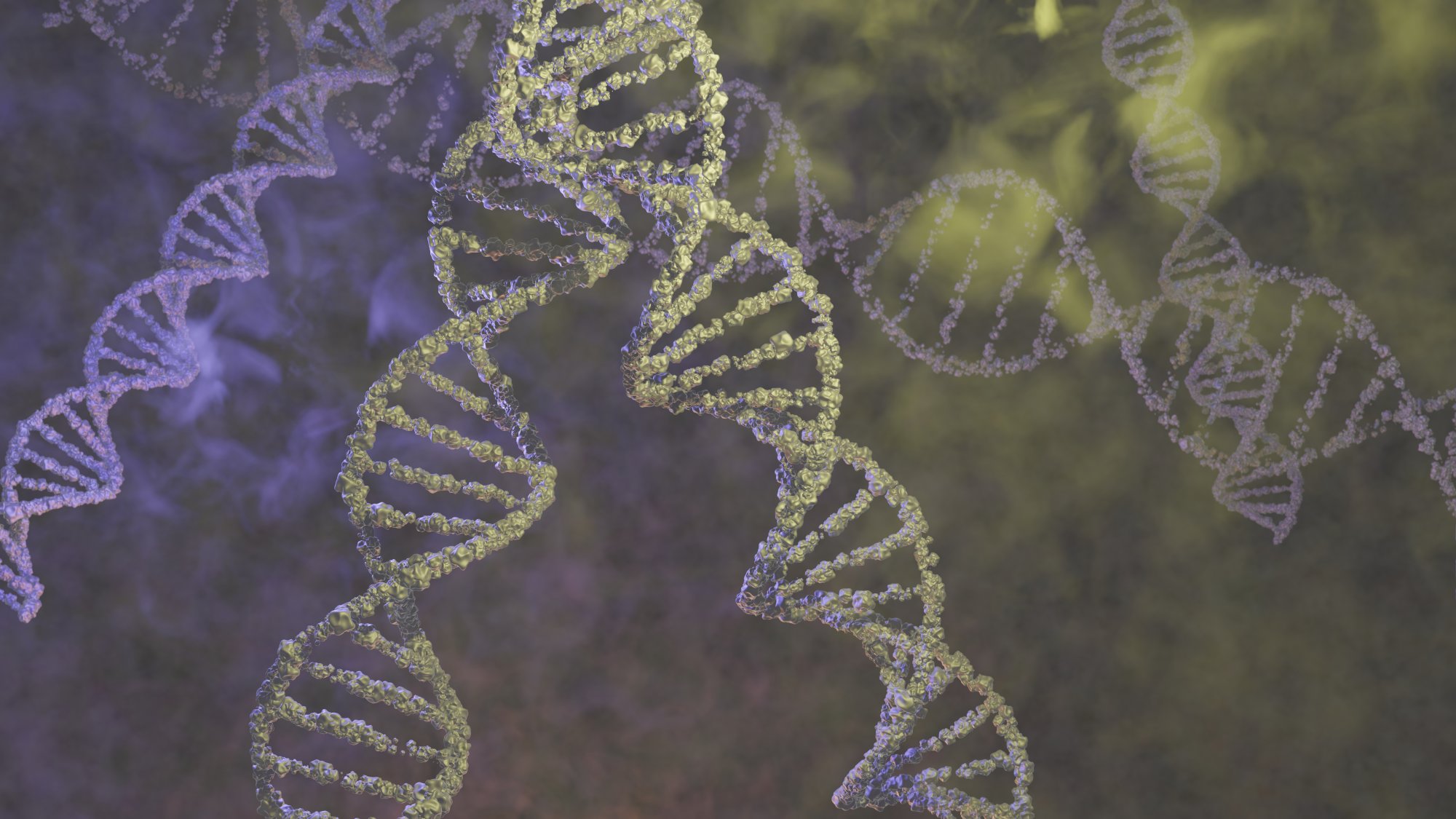
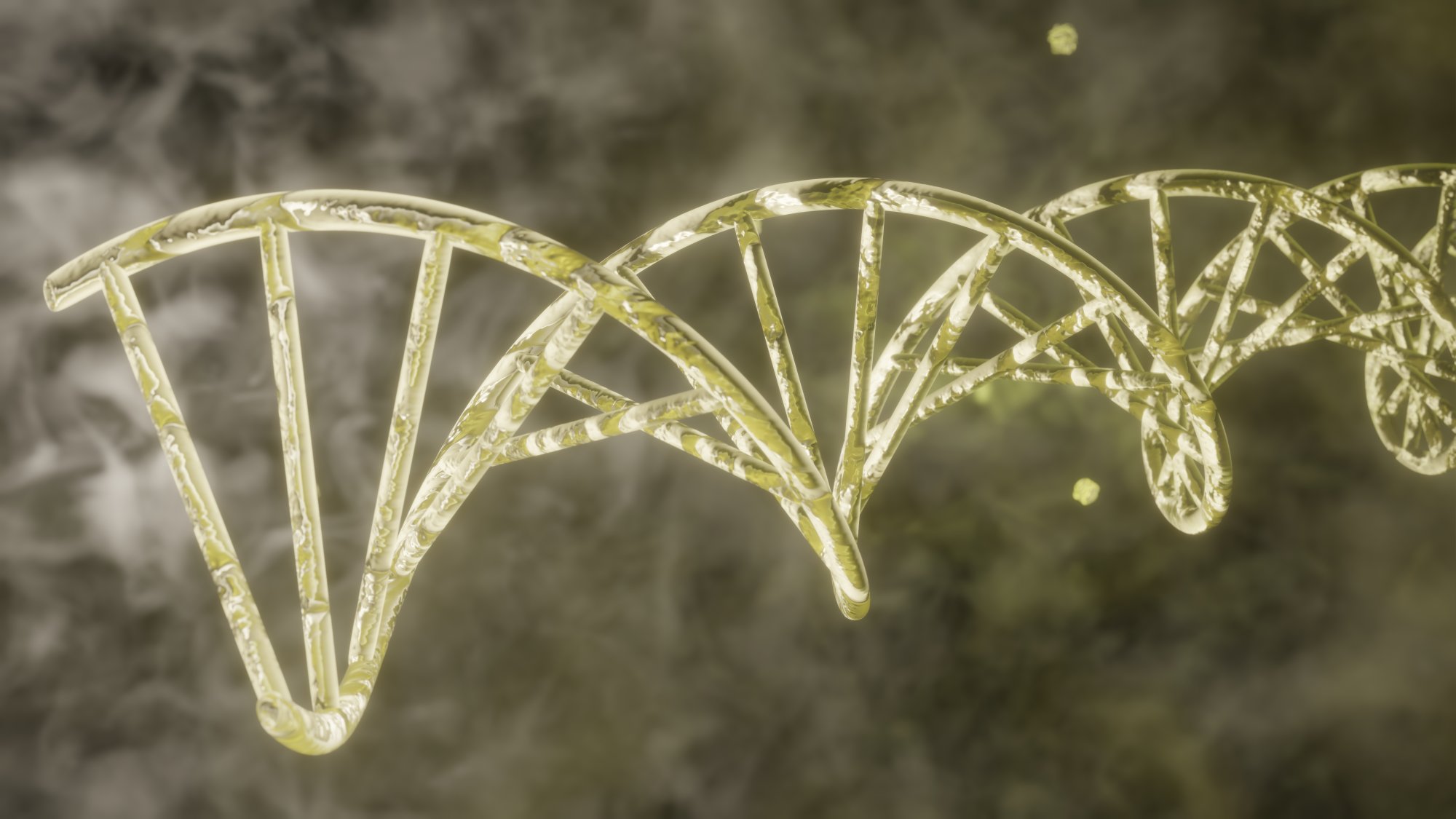
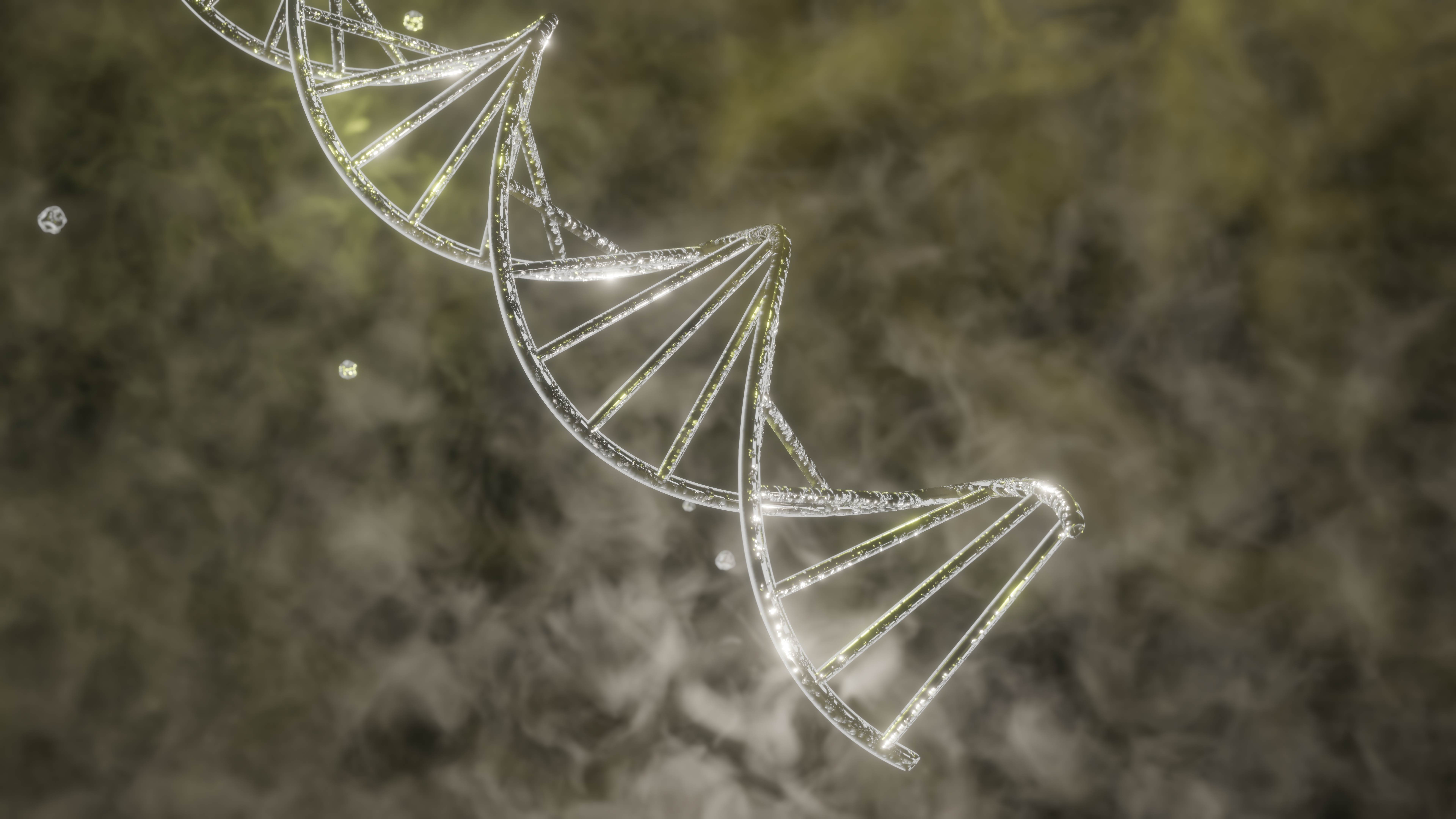
A three-dimensional depiction of a molecular helix offers one of the most effective ways to understand the intricate structure that governs the biological framework of living systems. When this essential form is presented through a carefully crafted illustration, the viewer gains access to depth, clarity, and perspective that cannot be achieved through flat diagrams. This enhanced visual method allows learners to appreciate the orientation, curvature, and spatial flow of the intertwined strands that define the iconic appearance of the helix. The result is a rich learning experience that helps audiences connect abstract scientific concepts with tangible visual cues.
One of the strongest advantages of using a 3D illustration is its ability to bring structural symmetry and proportion into focus. The helix is not merely a pattern; it is a precise architectural arrangement where each segment follows a consistent order. Through a rendered model, the viewer can observe how the segments align and twist along the axis, creating a dynamic shape that feels alive and functional. This sense of depth makes it easier to interpret how the structure maintains its stability while allowing essential biological activities to take place. In educational environments, this clarity supports learners who may struggle with traditional text descriptions and helps instructors communicate complex topics with greater effectiveness.
Another important contribution of a 3D helix representation is its capability to highlight the relationship between individual components. When seeing the structure in a volumetric form, it becomes easier to understand how each part contributes to the overall function of the molecule. Viewers gain insight into how different units align, how they maintain balance, and how they interact with their surroundings. This is particularly valuable for students engaged in scientific study, as they can observe the fundamental organization that directs growth, development, and information transfer within living organisms. Such visual precision deepens comprehension and creates lasting conceptual connections.
The three-dimensional format also enriches exploration by offering a detailed look at spatial orientation. Learners can mentally rotate the helix, imagine its surface, and picture how it responds to natural forces within the cell. This helps bridge the gap between theoretical understanding and practical interpretation. By visualizing the molecule as a physical entity rather than a flat illustration, students are more likely to grasp how it functions in real biological environments. This immersive approach encourages critical thinking, curiosity, and a stronger appreciation for the elegant complexity found within natural systems.
Furthermore, the artistic refinement of a 3D illustration contributes to improved engagement. The smooth curves, balanced proportions, and polished shading capture attention and make the viewing experience enjoyable. This aesthetic appeal increases motivation to study the structure in greater depth. As learners explore the model, they often develop a deeper respect for the engineering of biological forms and the remarkable efficiency of natural design. The visual clarity promotes long-term retention by turning intricate scientific information into an image that the mind can easily recall.
In addition to supporting education, a rendered helix illustration is invaluable in scientific communication. Researchers often present complex data to audiences from varied backgrounds, and a well-designed 3D model makes the material more accessible. Whether used in presentations, digital platforms, articles, or interactive applications, the illustration helps simplify challenging concepts without diminishing their significance. This clarity allows scientific insights to reach a broader audience and supports the advancement of collective understanding.
Ultimately, a 3D illustration showing a molecular helix offers unmatched visual clarity. It transforms a complex structural design into a clear and engaging form, supporting learning, research, and communication. Through this visualization, students and professionals alike gain a deeper appreciation for the molecular pattern that shapes biological existence, enhancing both comprehension and curiosity in an elegant and effective way.