Heterophylly and Plasticity in Coriander Leaf — Adaptation and Morphological Variation
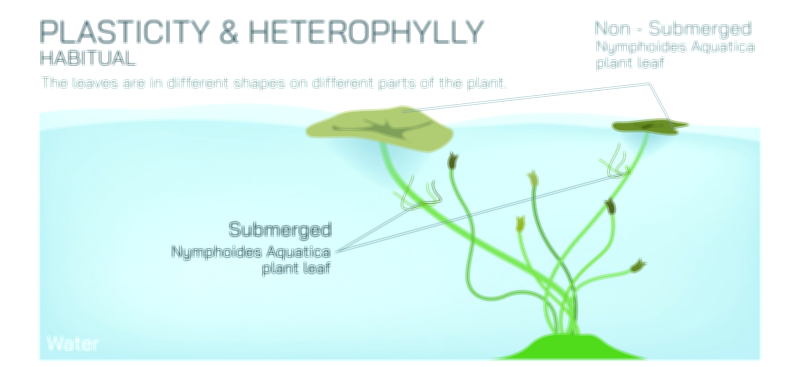
Heterophylly refers to the occurrence of more than one type of leaf on the same plant, and it is a prominent feature in coriander (Coriandrum sativum). In coriander, leaves exhibit remarkable plasticity, meaning their shape, size, and structure can change during development or in response to environmental conditions. This plasticity allows the plant to optimize photosynthesis, reduce water loss, and adapt to varying light intensities and other environmental factors. Understanding heterophylly and leaf plasticity in coriander is essential for botanists, horticulturists, and plant biologists studying plant morphology, developmental biology, and adaptive strategies.
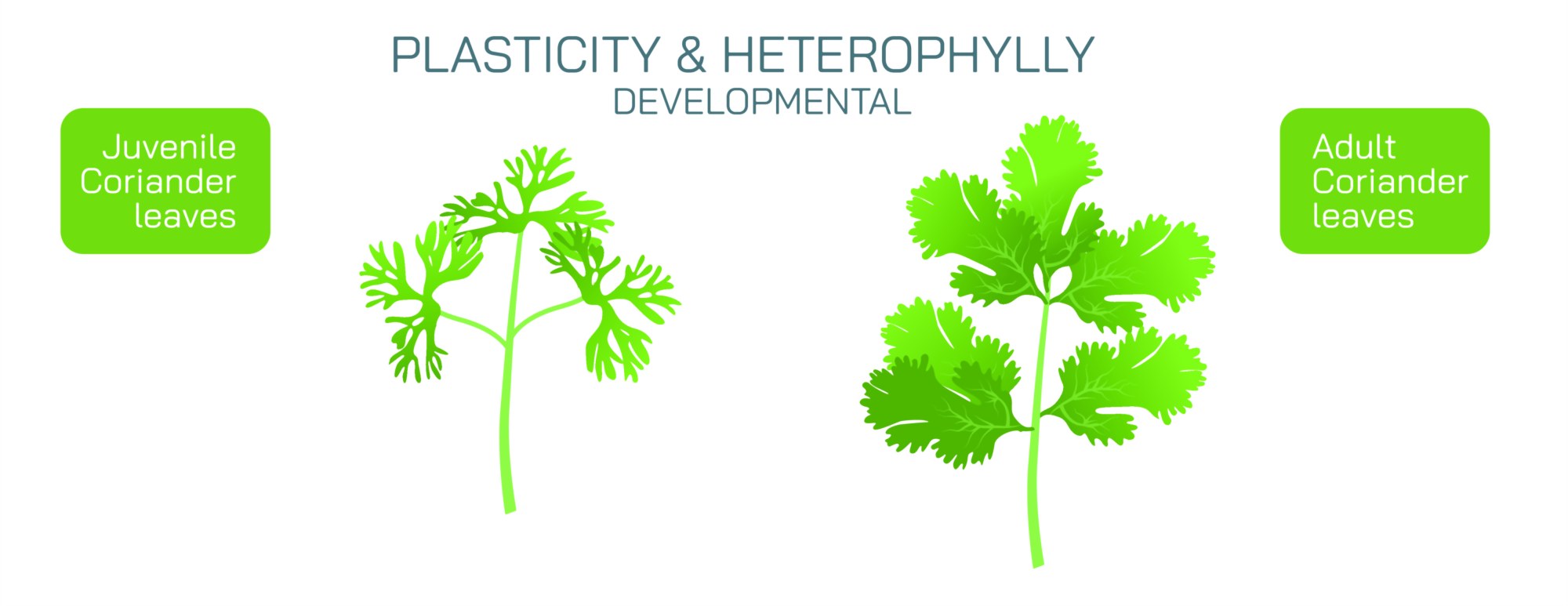
In coriander, heterophylly is observed as a difference between juvenile and mature leaves. The basal or lower leaves are often pinnately lobed or compound, providing maximum surface area for photosynthesis during early growth. These leaves are larger and more dissected, which facilitates efficient light capture and gas exchange. As the plant matures, the upper or apical leaves tend to become smaller, less dissected, and sometimes linear or simple in form. This transition reflects developmental heterophylly and demonstrates the plant’s ability to optimize leaf structure based on position, age, and function within the plant.
Plasticity in coriander leaves also extends to environmental adaptation. Leaves can alter their shape, thickness, or orientation in response to light availability, temperature, water supply, and nutrient status. For instance, in shaded conditions, coriander may produce larger, thinner leaves to capture more light, whereas under high light or drought stress, leaves may become smaller or thicker to minimize water loss. This flexibility allows coriander to thrive in diverse climates and ecological conditions, illustrating the importance of morphological plasticity in plant survival and productivity.
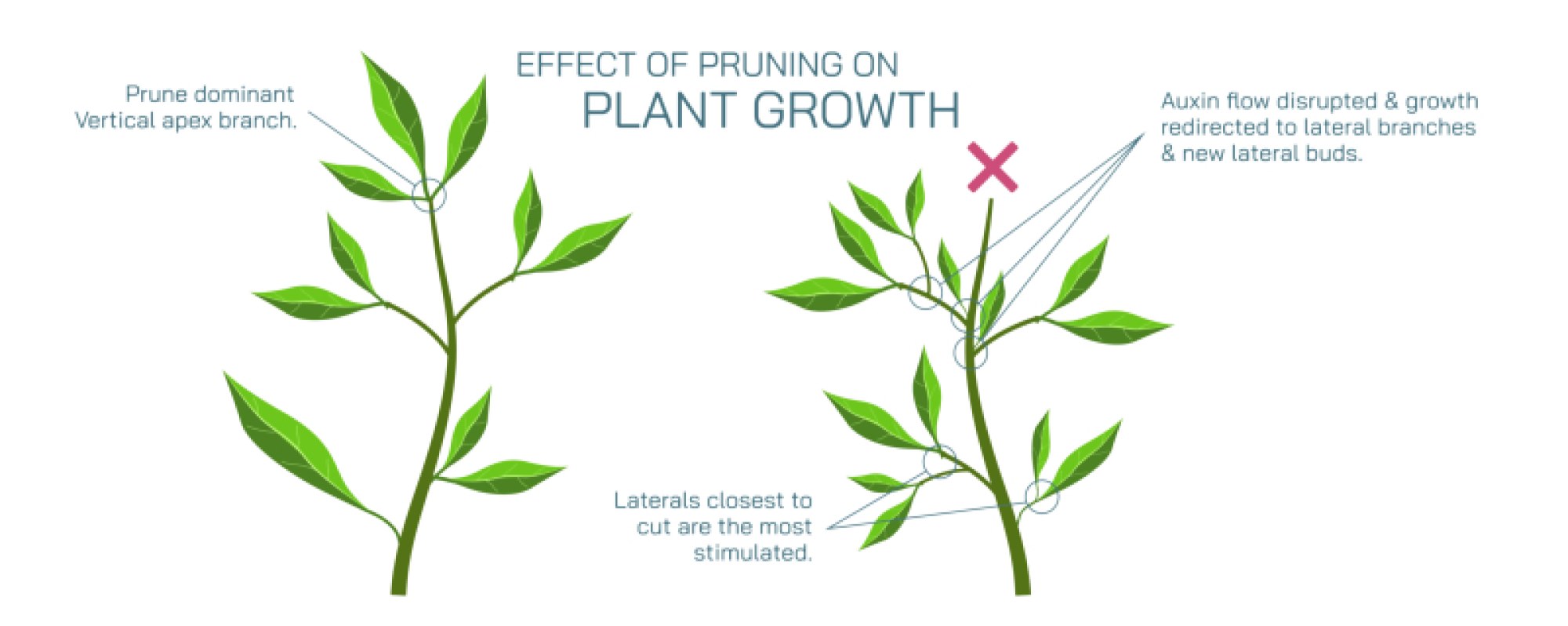
Studying heterophylly and plasticity in coriander leaves provides insight into broader plant developmental mechanisms, adaptive evolution, and responses to environmental pressures. It also has practical applications in agriculture, as understanding leaf morphology can guide planting strategies, pruning methods, and cultivation practices to enhance yield and plant health. Morphological observations and diagrams of coriander leaves highlight the differences between juvenile and mature forms and demonstrate the dynamic nature of leaf development in response to internal and external cues.
In conclusion, heterophylly and leaf plasticity in coriander illustrate the plant’s ability to produce multiple leaf types during its life cycle and adapt its morphology to environmental conditions. Juvenile and mature leaves differ in size, shape, and dissection, reflecting developmental and adaptive heterophylly. These characteristics enhance photosynthetic efficiency, water conservation, and survival in varying ecological conditions. Understanding these features provides valuable insight into plant biology, morphological adaptation, and practical horticultural applications, highlighting coriander as a model for studying heterophylly and leaf plasticity in flowering plants.