Heterophylly and Leaf Plasticity Vector Illustration Showing Habitual Variation in Plant Leaf Forms
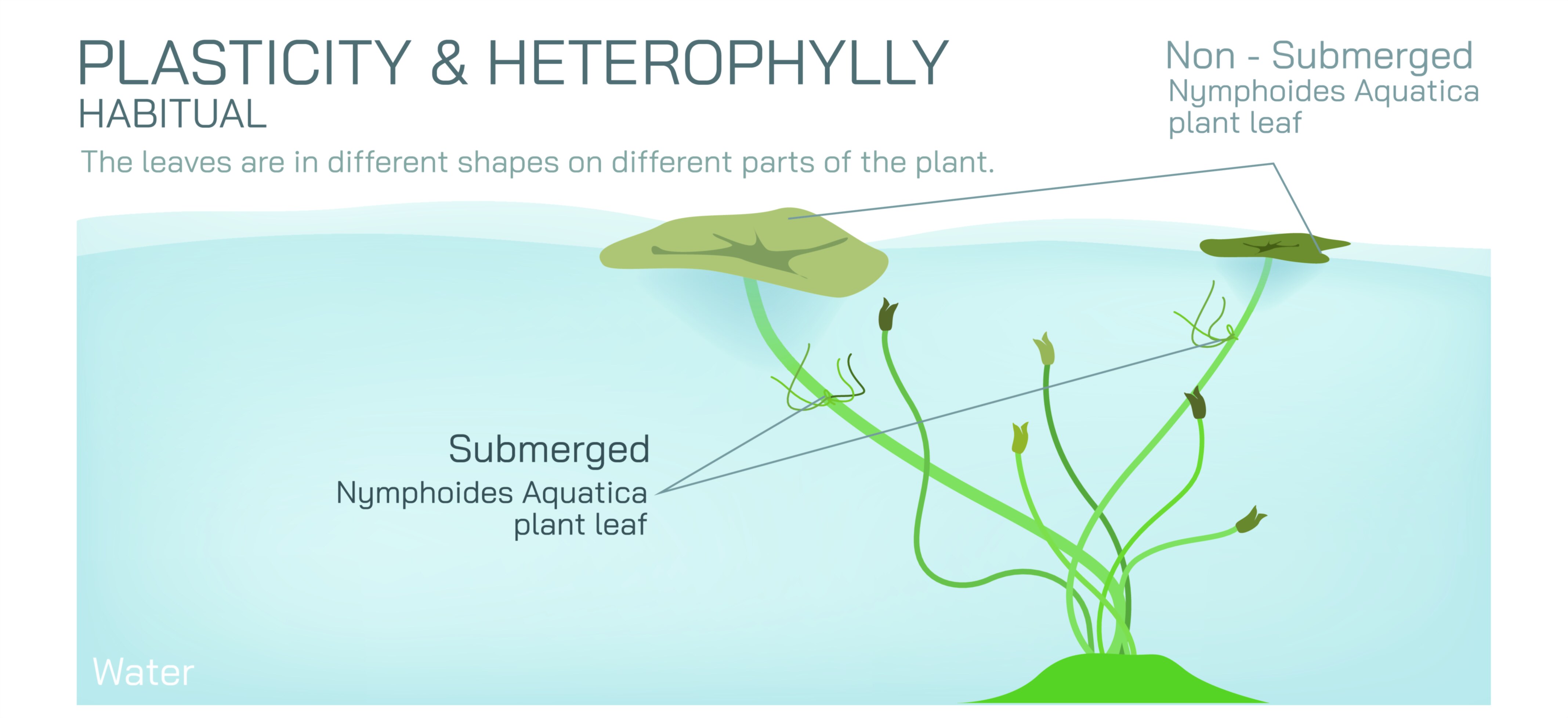
Heterophylly refers to the occurrence of different types of leaves on the same plant, and leaf plasticity describes the ability of leaves to adapt morphologically and physiologically in response to environmental conditions. Both concepts are critical in understanding plant adaptation, growth strategies, and evolutionary morphology. A vector illustration depicting heterophylly and leaf plasticity typically showcases variation in leaf shape, size, margin, and arrangement, illustrating how a single species can exhibit multiple leaf forms in different organs, developmental stages, or environmental contexts. By combining labeled leaf types, habit variation, and environmental triggers, such diagrams provide a detailed, educational depiction of plant morphological diversity.
At the core of the illustration are representative leaves of a heterophyllous plant, showing distinct shapes along a single plant. For instance, a vector diagram may include juvenile leaves, typically simpler, smaller, or with lobed or dissected forms, contrasted with mature or adult leaves, which may be broader, compound, or deeply lobed depending on species. Arrows and labels indicate the developmental progression from juvenile to adult foliage, demonstrating that heterophylly often results from ontogenetic changes. Different leaf forms may be shown emerging from separate nodes, along different branches, or on various organs such as stems, petioles, or reproductive structures, providing a spatial understanding of leaf variation within the plant.
Environmental plasticity is another key feature highlighted in vector illustrations. Leaf morphology can change in response to factors such as light intensity, water availability, submersion in water, temperature, and nutrient levels. For example, leaves in shaded areas may be broader and thinner to maximize photosynthetic efficiency, while leaves in full sunlight may be smaller, thicker, or have thicker cuticles to reduce water loss. Vector diagrams often depict side-by-side comparisons, showing how the same plant species produces different leaf forms under different environmental conditions. Color coding, arrows, or gradient shading may indicate environmental influence, highlighting how plasticity allows the plant to optimize resource capture and survival in diverse habitats.
The illustration may also differentiate types of heterophylly, such as morphological, developmental, or environmental heterophylly. Morphological heterophylly refers to genetically determined variation in leaf form within a plant, such as the difference between submerged and aerial leaves in aquatic plants like Ranunculus species. Developmental heterophylly occurs during plant ontogeny, as in Populus species where juvenile leaves differ from adult leaves. Environmental heterophylly arises from external factors, such as sun vs. shade leaves in the same canopy. In vector illustrations, these types are often represented with separate panels or labeled sequences, providing clarity on the origins and mechanisms of leaf variation.
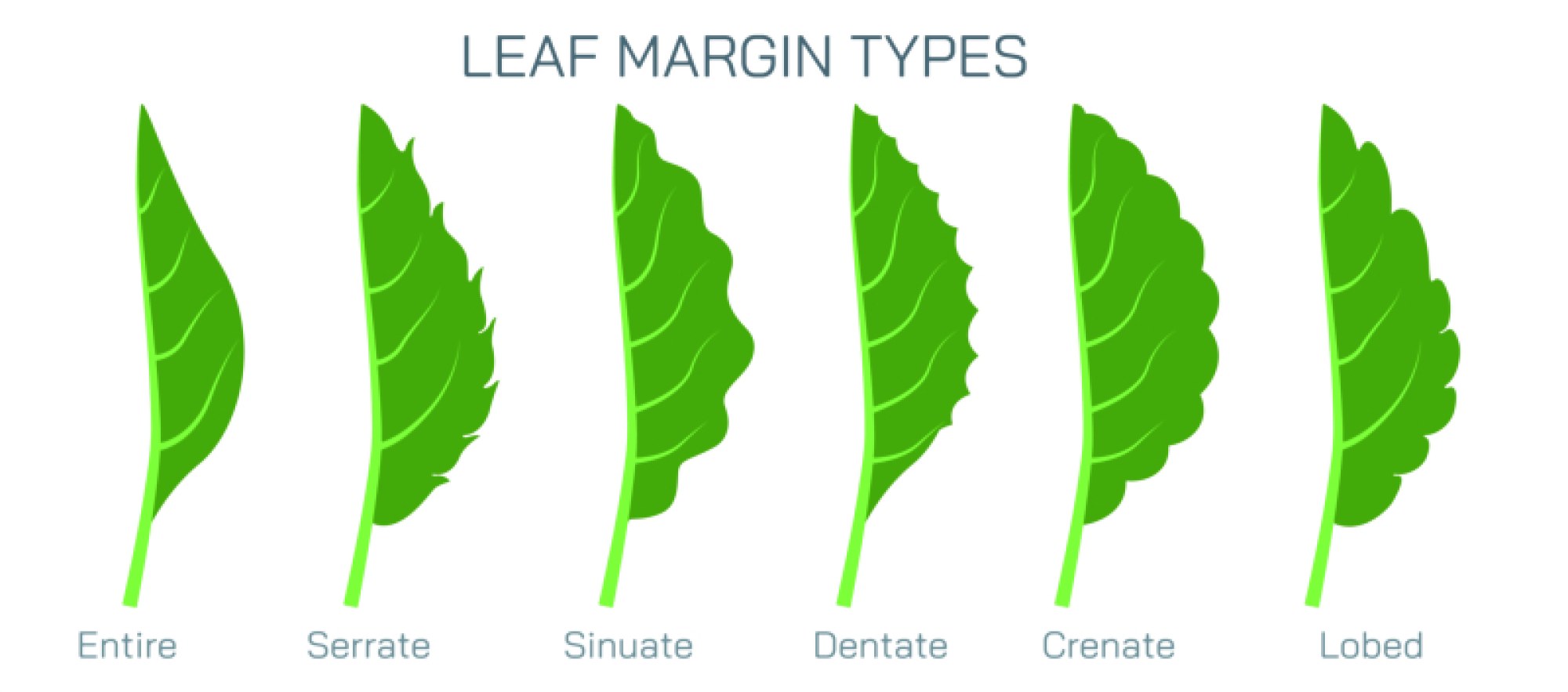
A vector illustration often emphasizes key morphological features affected by heterophylly and plasticity, including leaf shape (ovate, lanceolate, lobed, dissected), margin (entire, serrate, toothed), venation patterns (pinnate, palmate, reticulate), and size. Labeled arrows and color-coded sections may indicate variation in these features, allowing viewers to quickly compare differences between leaf forms. For instance, submerged leaves may have finely dissected margins to increase surface area for gas exchange, while aerial leaves are broader and less dissected. By visualizing these differences, the illustration communicates how structural variation aligns with functional adaptation.
Vector diagrams may also include examples of adaptive significance, illustrating how heterophylly and plasticity benefit plants. For instance, aquatic plants with submerged dissected leaves reduce drag in moving water and enhance nutrient absorption, while aerial leaves capture sunlight efficiently. Similarly, leaves exposed to high light may develop thicker cuticles to reduce desiccation, whereas shaded leaves optimize chlorophyll distribution. Arrows, labels, and icons in the vector illustration may highlight these functional adaptations, connecting morphology to ecological strategy.
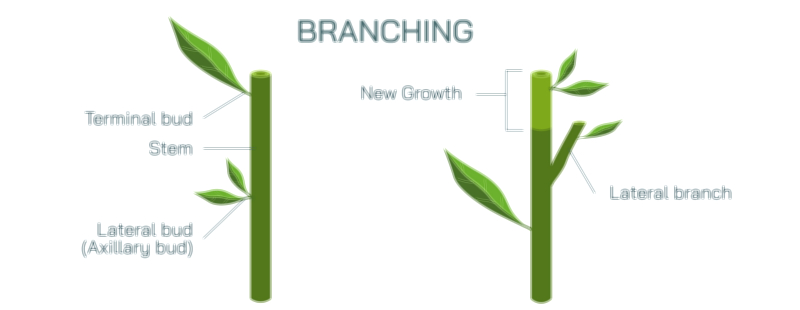
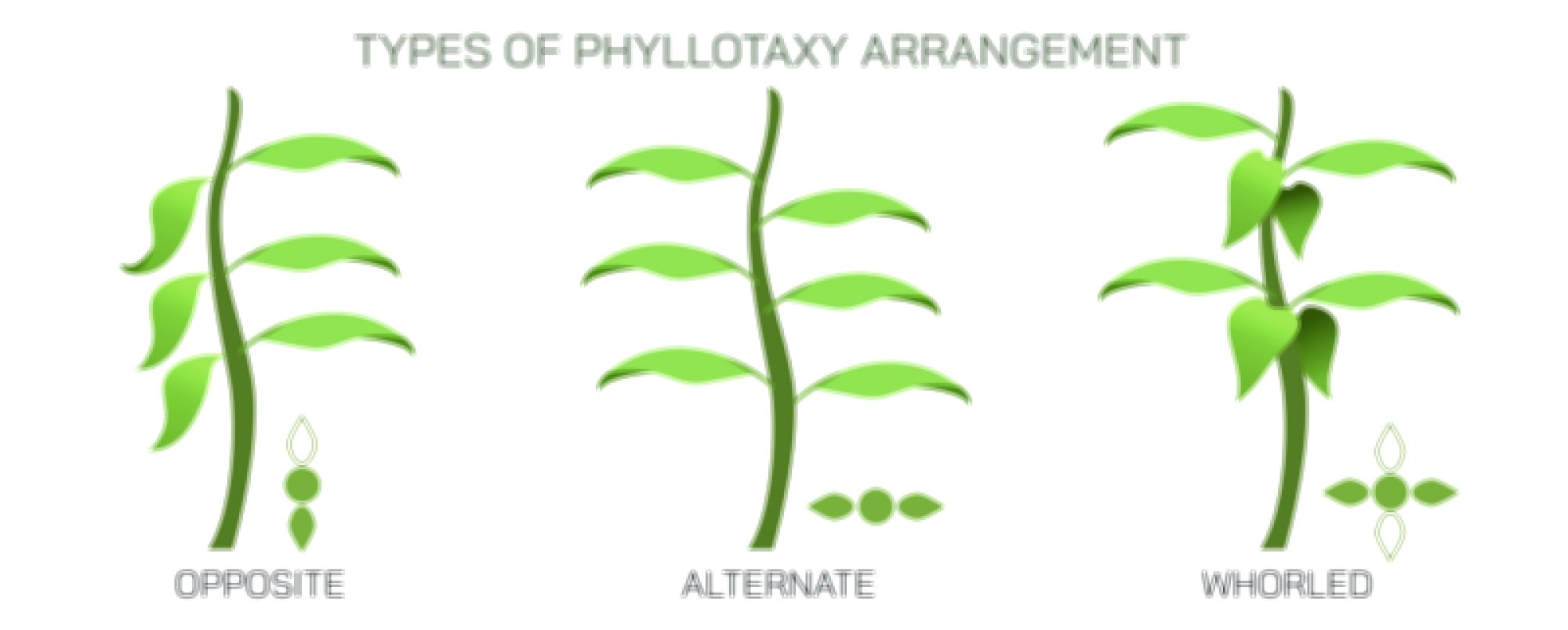
Additional components in the illustration may depict leaf arrangement and node location, showing that heterophyllous leaves can vary in position along the stem or branches. Juvenile leaves may occur at lower nodes, while adult leaves predominate at higher nodes. Lateral leaves may differ from terminal leaves in shape and size. Vector diagrams often include a stem schematic with labeled nodes and associated leaf types, demonstrating how positional and developmental factors interact to produce leaf variation.
By combining leaf shape variation, developmental stages, environmental influences, and functional adaptation, a vector illustration of heterophylly and leaf plasticity provides a comprehensive visual explanation of how plants exhibit morphological diversity. It clarifies the distinction between genetic and environmentally induced changes, highlights the role of leaf form in ecological success, and emphasizes the dynamic interplay between structure and function in plant morphology.
Ultimately, a vector illustration of heterophylly and leaf plasticity conveys the dynamic adaptability of plant leaves, integrating ontogenetic development, environmental responsiveness, and morphological variation into a coherent visual framework. Through labeled leaf forms, comparative panels, and annotated environmental cues, the diagram allows learners to appreciate how plants optimize survival and efficiency through structural diversity, making complex botanical concepts accessible and educationally effective.