Stomach GERD — Causes, Symptoms, and Management of Acid Reflux
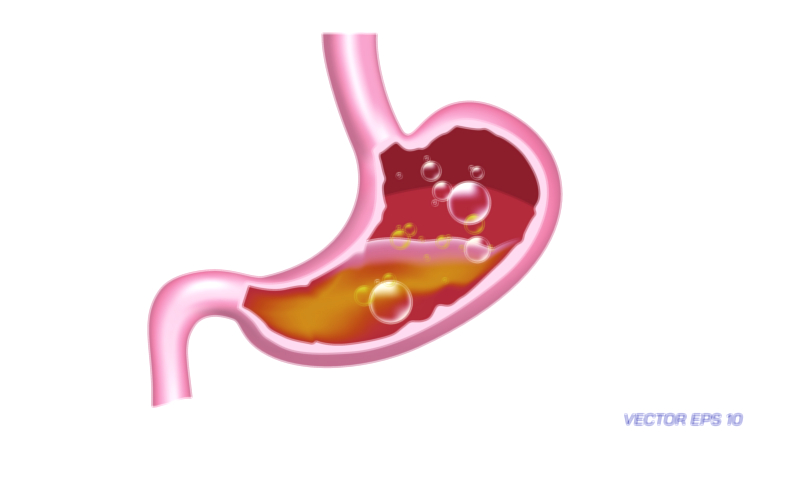
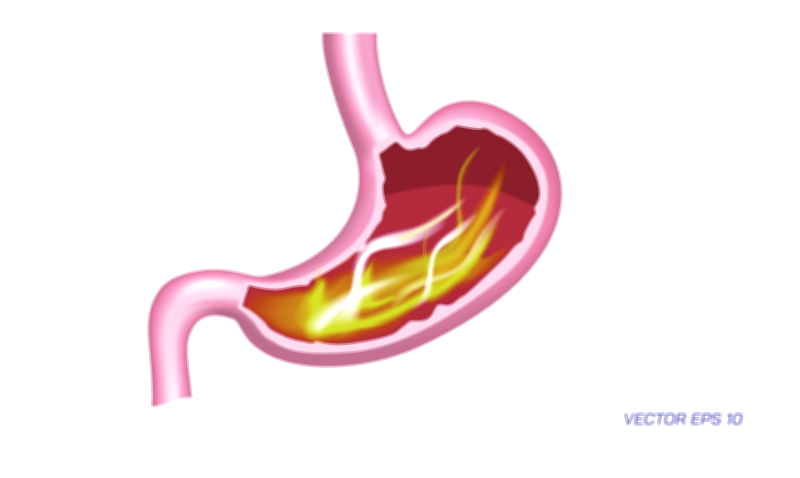
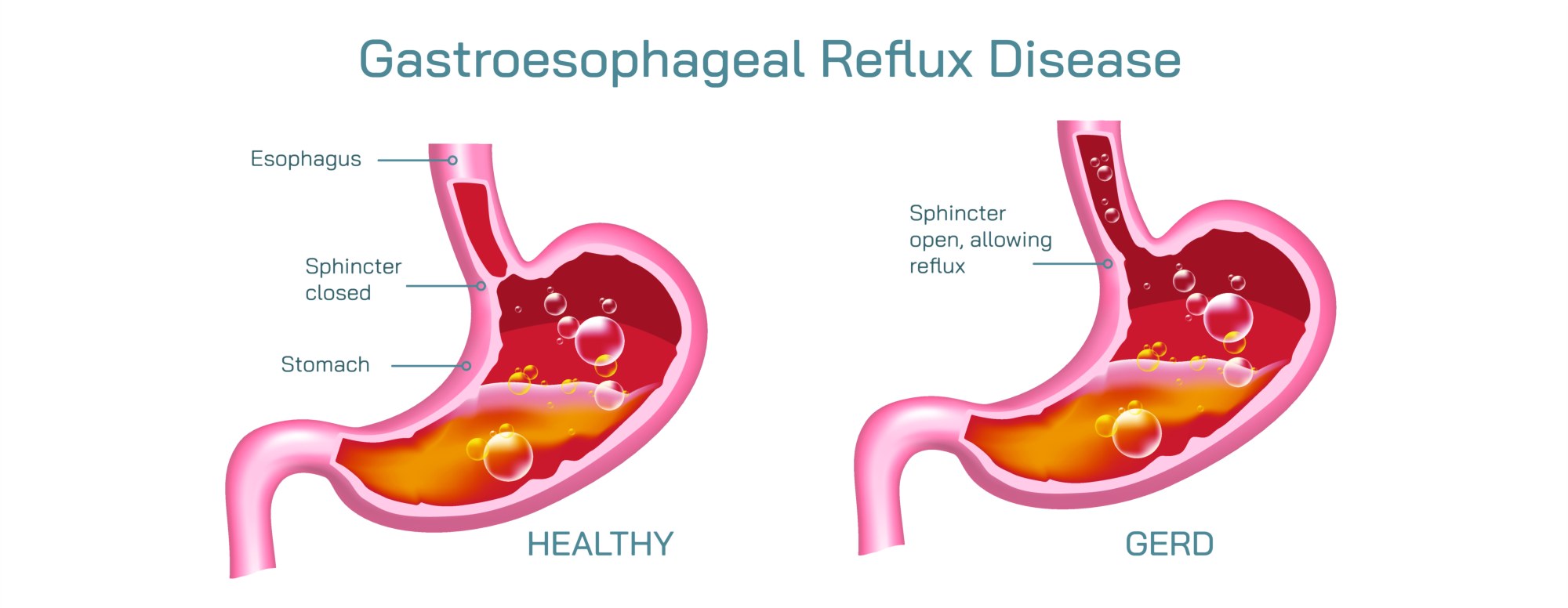
Gastroesophageal Reflux Disease (GERD) is a common digestive disorder where stomach acid flows back into the esophagus, causing irritation and discomfort. This backflow occurs when the lower esophageal sphincter (LES), a muscular valve between the esophagus and stomach, does not close properly. GERD can lead to symptoms such as heartburn, regurgitation, chest discomfort, difficulty swallowing, and chronic cough, affecting daily life and overall health if left untreated.
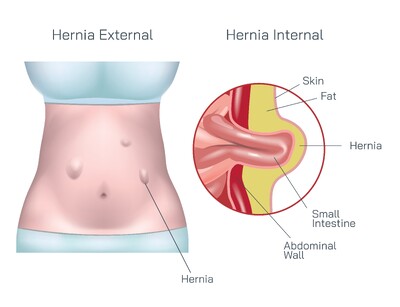
The causes of GERD include weakened LES, hiatal hernia, obesity, certain foods and beverages, smoking, pregnancy, and delayed stomach emptying. Trigger foods such as spicy dishes, fatty meals, chocolate, caffeine, and carbonated drinks can exacerbate symptoms by increasing acid production or relaxing the LES. Chronic GERD may cause esophageal inflammation, esophagitis, and in severe cases, Barrett’s esophagus, which increases the risk of esophageal cancer.
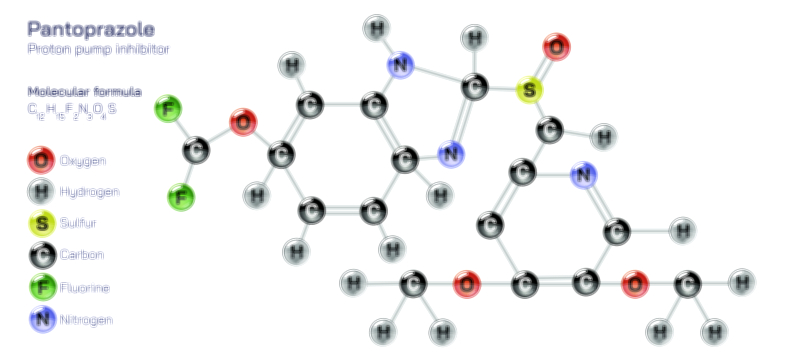
Management of GERD involves a combination of lifestyle modifications, dietary adjustments, and medical treatment. Lifestyle measures include maintaining a healthy weight, avoiding trigger foods, eating smaller meals, not lying down immediately after eating, elevating the head during sleep, and quitting smoking. Medications such as antacids, H2 receptor blockers, and proton pump inhibitors (PPIs) help reduce acid production and promote healing of the esophageal lining. In severe cases, surgical interventions like fundoplication may be considered to reinforce the LES.
Understanding GERD and its symptoms is crucial for early intervention and prevention of complications. Monitoring triggers, adopting a GERD-friendly lifestyle, and following prescribed treatment allow individuals to manage acid reflux effectively and improve digestive health. Education about GERD empowers patients to make informed choices about diet, habits, and medical care, ensuring better quality of life.
In conclusion, GERD is a chronic condition caused by the backflow of stomach acid into the esophagus, leading to heartburn and esophageal irritation. Effective management includes lifestyle changes, dietary modifications, medications, and in severe cases, surgery. Awareness and proactive treatment of GERD help prevent complications and promote long-term digestive health.