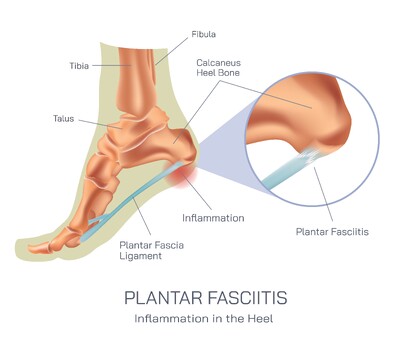
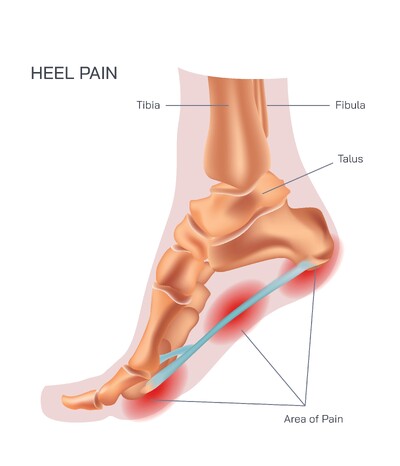
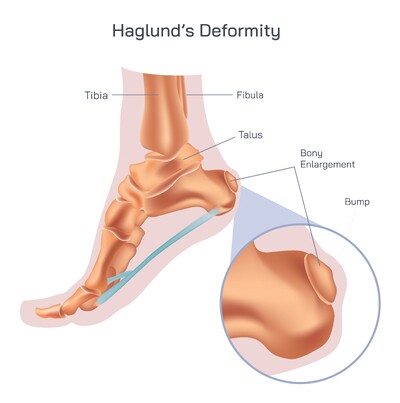
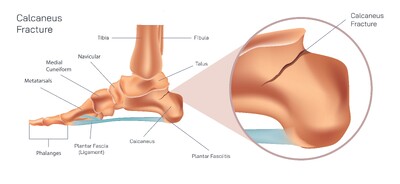
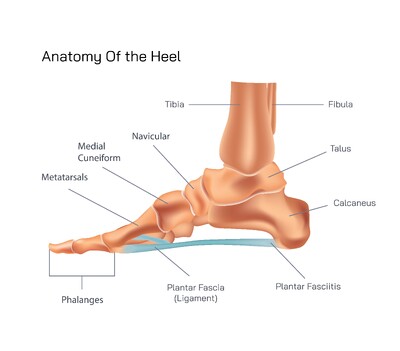
A heel spur is a bony projection that forms on the underside of the calcaneus, the heel bone, and is often associated with chronic heel pain and ongoing strain on the soft tissues that support the foot. Although heel spurs themselves are not always painful, the inflammatory response that develops around them frequently leads to sharp, stabbing discomfort—especially during early morning steps or after long periods of standing. For many individuals, heel spurs become a symbol of persistent heel pain that interferes with mobility, exercise, work demands, and everyday comfort. Understanding the formation, symptoms, treatment strategies, and prevention of heel spurs sheds light on the broader relationship between tendon and ligament tension, biomechanics, and the long-term health of the heel region.
A heel spur forms slowly over time due to repeated stress on the plantar fascia, a thick connective band that extends from the heel bone to the base of the toes. The plantar fascia supports the integrity of the foot’s arch and works as a shock-absorbing bridge between the heel and forefoot. When the plantar fascia experiences chronic strain—whether from high-impact sports, long-distance running, prolonged standing, biomechanical imbalances, inadequate footwear, tight calf muscles, or obesity—the tissue begins to pull excessively on the heel bone. Over time, the body responds to this stress by depositing calcium at the attachment point as an attempt to reinforce the area. This gradual accumulation eventually forms a bone-like protrusion called a heel spur.
The heel spur itself is not the true cause of pain; rather, it is the irritation of surrounding soft tissues that triggers discomfort. When tension remains uncorrected, microtears form in the plantar fascia, and inflammation builds around the site. This swelling reduces elasticity in the tissues and amplifies pain when the heel bears weight, especially first thing in the morning when the fascia tightens overnight. The classic description is a sudden sharp heel pain with the first few steps of the day, followed by relief after moving around, and then a return of pain after extended periods of walking or activity. Over time, the pain may transition from episodic to constant, affecting not only mobility but also posture, as people begin shifting their weight subconsciously to avoid discomfort.
Diagnosis of a heel spur usually begins with a clinical evaluation of symptoms and localized tenderness along the underside of the heel. The physician may observe biomechanical behaviors such as excessive pronation, collapsing arches, or shortened calf muscles that intensify strain on the heel. The most definitive way to confirm a heel spur is through X-ray imaging, which reveals the calcium buildup extending forward from the calcaneus. However, symptoms alone often guide treatment, because the presence or size of a spur does not necessarily correlate with pain intensity. Some individuals have significant spurs with no discomfort, while others experience extreme pain from inflammation without any significant calcium formation.
Treatment focuses on decreasing inflammation, relieving pressure on the heel, and addressing the root causes of plantar fascia overload. Ice therapy, anti-inflammatory medications, and temporary rest from high-impact exercise help reduce acute pain during flare-ups. Stretching exercises targeting the calf muscles and plantar fascia reduce the tension that contributes to spur development. Strengthening intrinsic foot muscles increases arch support and minimizes stress on the fascia. Many patients find meaningful pain reduction by using orthotic insoles, gel heel cups, and cushioned footwear that redirect pressure away from the spur region and support natural foot mechanics. These tools become particularly important for individuals with flat feet, high arches, or occupations requiring long hours on their feet.
When conservative measures do not fully resolve symptoms, additional treatment options may be considered. Shockwave therapy encourages tissue repair and breaks the inflammatory cycle. Platelet-rich plasma injections aim to stimulate healing in the fascia. Cortisone injections may temporarily reduce inflammation, though they are used cautiously due to the potential weakening effect on the fascia. For individuals experiencing persistent pain that severely restricts daily activity and does not improve with long-term conservative care, surgical options may be discussed. Heel spur surgery involves removing the bony protrusion and may include releasing part of the plantar fascia to relieve tension. Post-surgical rehabilitation is essential to restore proper biomechanics and reduce the risk of recurrence.
Equally important as treating a heel spur is preventing its return. Because heel spur formation results from long-term strain, the only lasting solution is correcting the mechanical stresses that produced the condition in the first place. Supportive footwear that cushions the heel and accommodates the arch decreases pressure during movement. Maintaining flexibility in the calf muscles and Achilles tendon keeps the fascia from being overstretched. Alternating high-impact activities with lower-impact exercise gives the heel periods of recovery. Strength training focused on the foot and ankle improves shock absorption and gait stability. Individuals with occupational heel strain benefit from scheduled movement breaks, soft flooring pads at workstations, and footwear rotation.
Living with a heel spur can be frustrating, especially when pain interferes with mobility and everyday comfort. However, with informed care and consistent attention to heel biomechanics, most people regain mobility and find long-term relief without surgery. The key lies in reducing inflammation in the short term, strengthening and stretching the heel-supporting structures in the long term, and adopting footwear and lifestyle habits that safeguard the heel from excessive stress. By treating both the spur and its mechanical cause, individuals can restore confidence in movement, regain comfort in daily activities, and protect the heel from recurring pain.