Stock Market Fair Value Gap — Understanding Market Imbalances and Price Correction
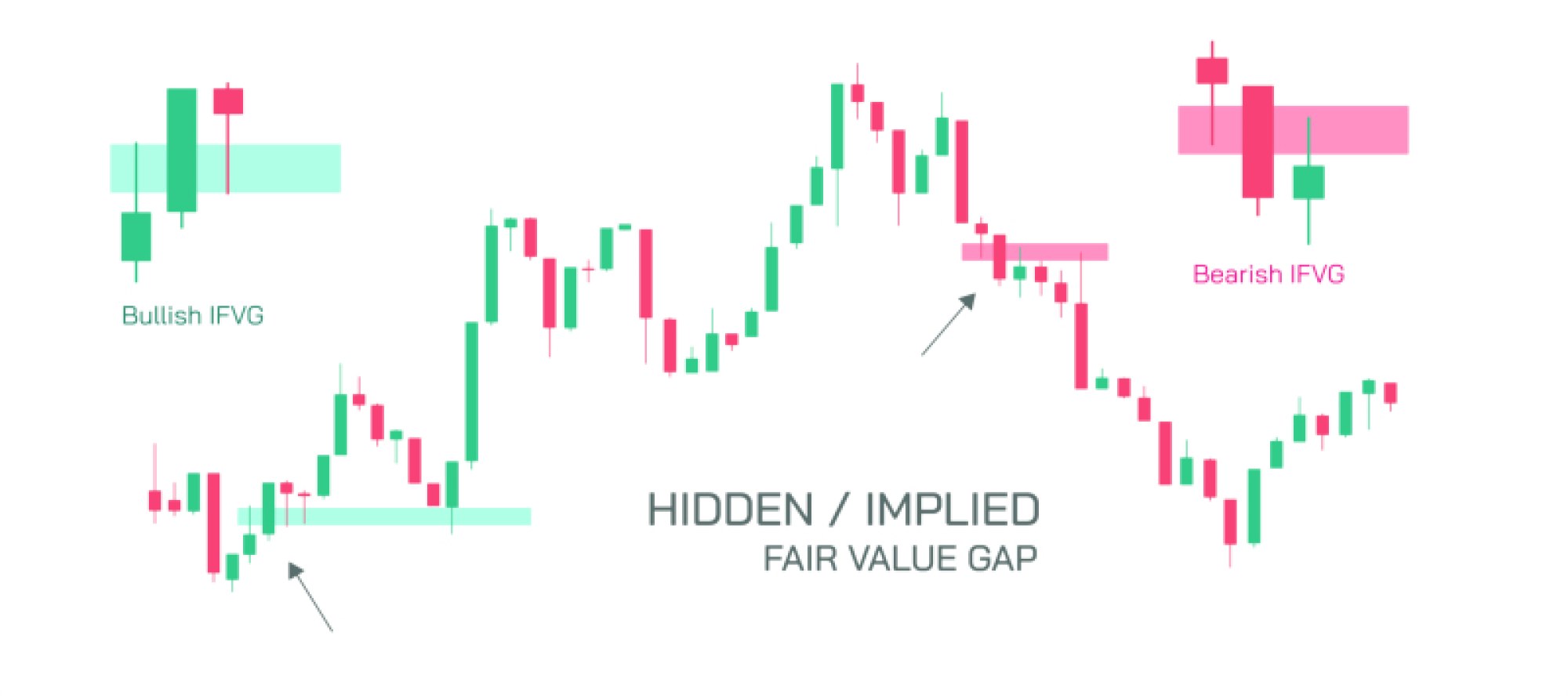
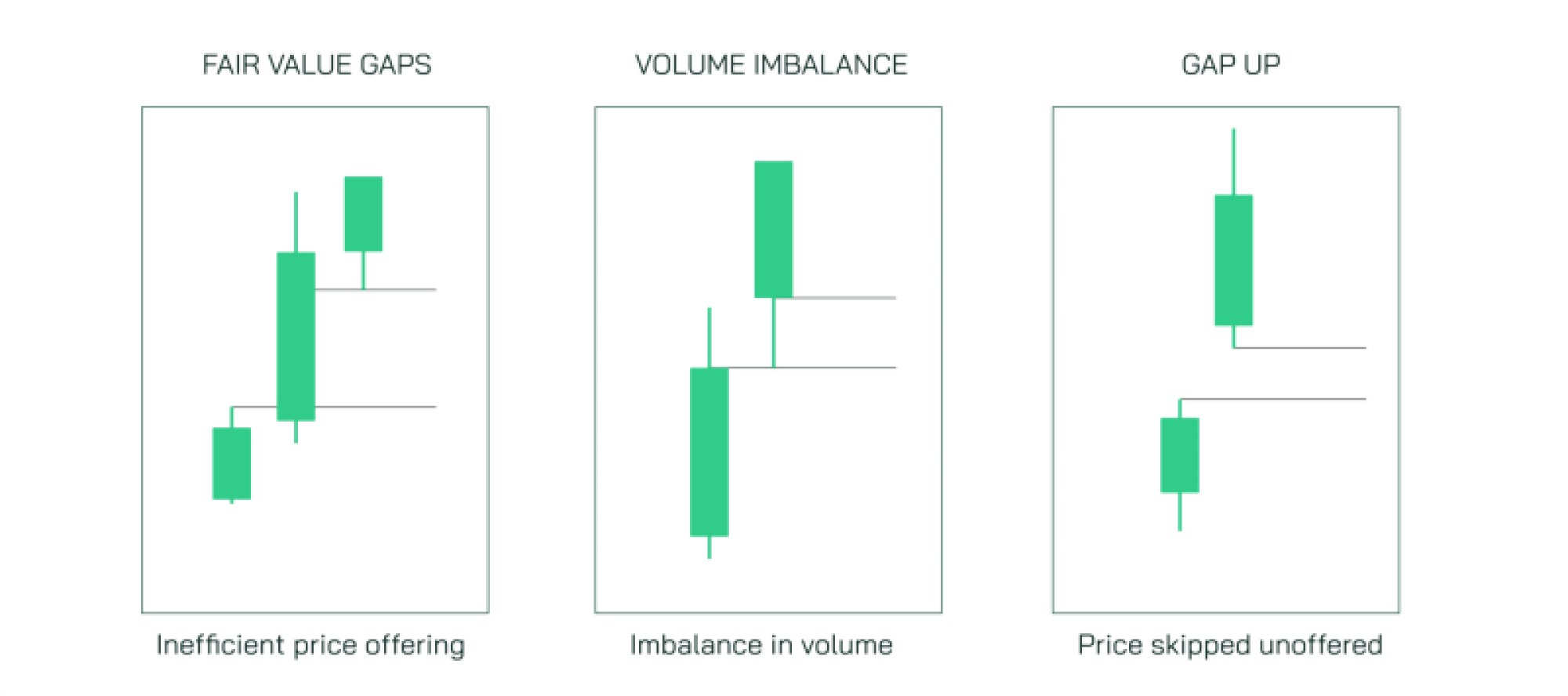
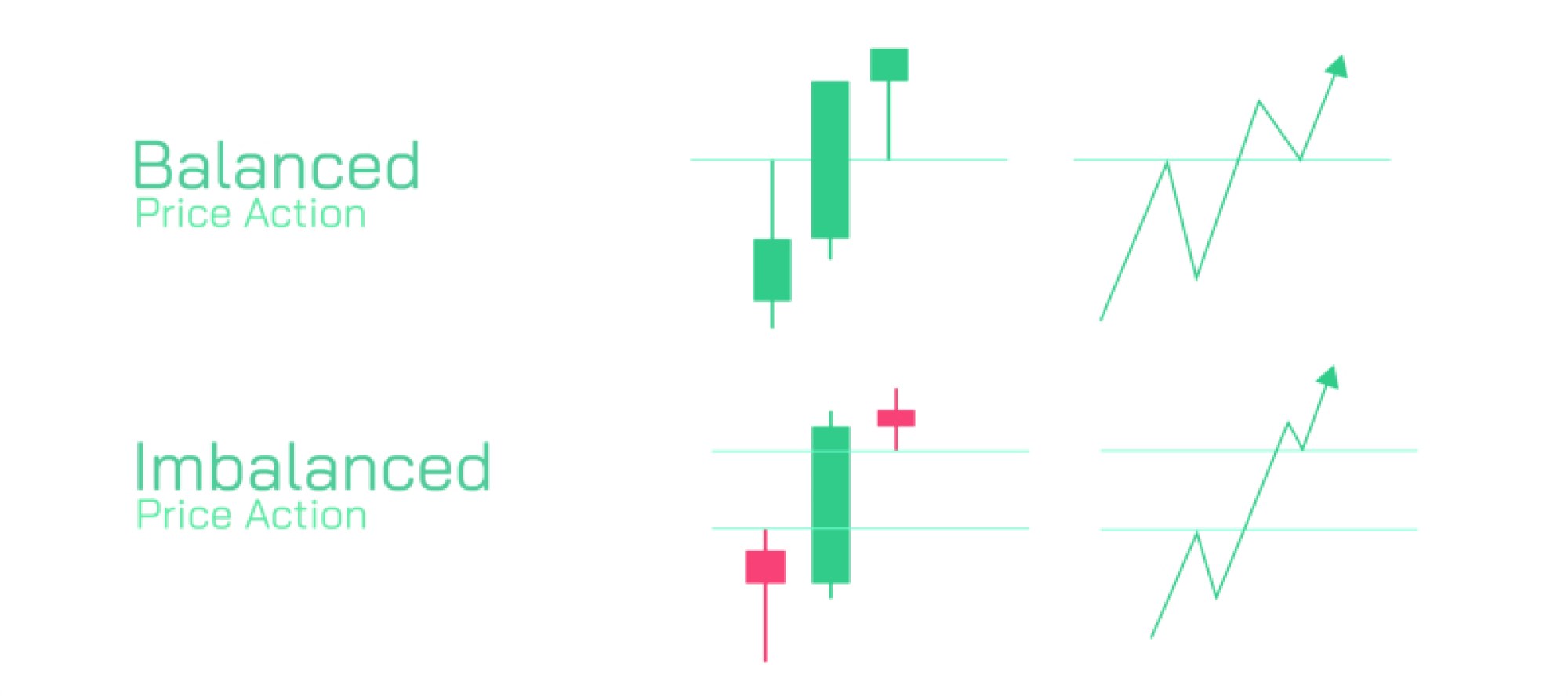
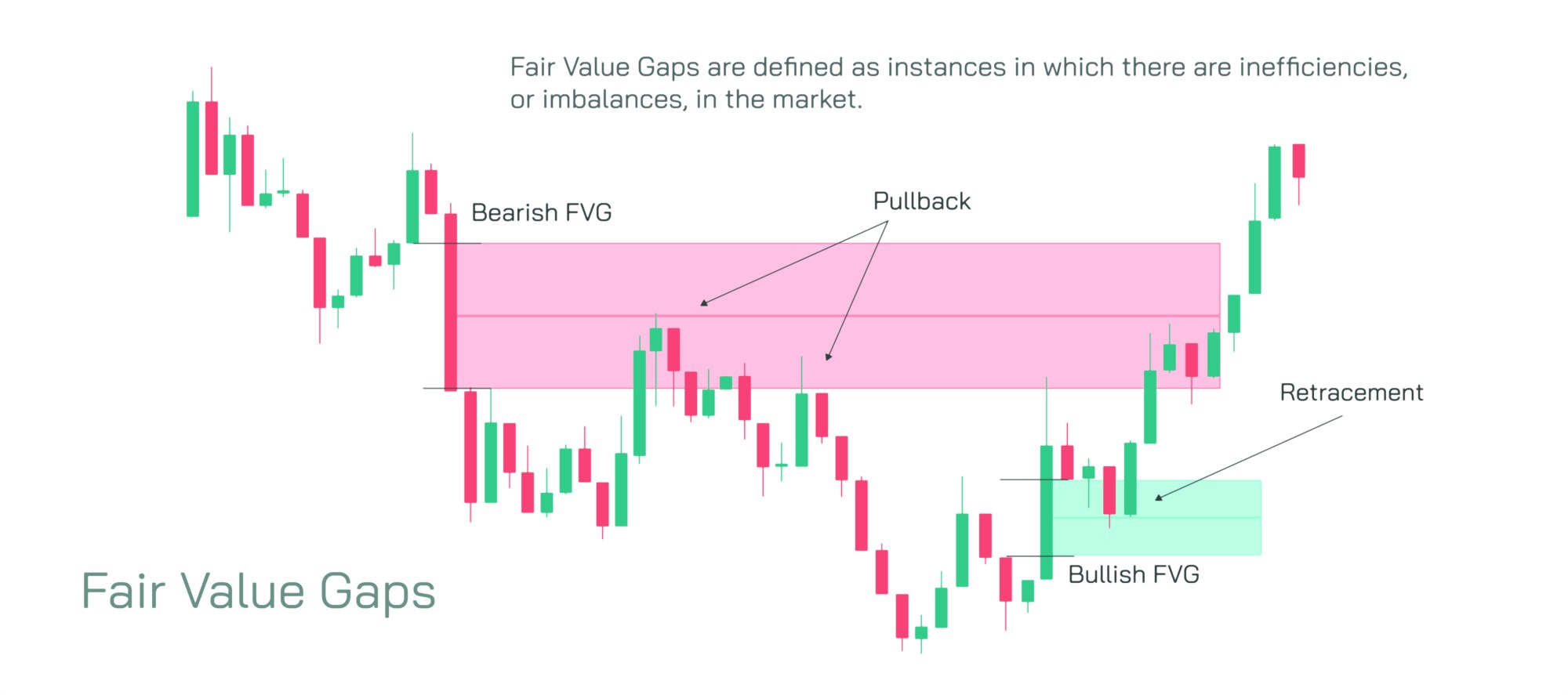
A fair value gap in the stock market occurs when there is a sudden imbalance between buying and selling activity, creating a price region where little or no trading occurs. These gaps often appear as voids between candlesticks on price charts, reflecting moments when market participants were unwilling or unable to transact at certain price levels. The concept of fair value gap is crucial for traders and analysts, as it indicates potential areas for price correction, trading opportunities, and market inefficiencies.
Fair value gaps often form due to strong market momentum, significant news releases, earnings reports, or other high-impact events. When a stock or asset moves rapidly in one direction, the price may “jump” over certain levels, leaving a gap where few transactions occurred. These gaps represent regions where the market has not fully assessed the equilibrium price. Over time, the market tends to fill these gaps as traders return to these levels to transact, rebalancing supply and demand and restoring price efficiency.
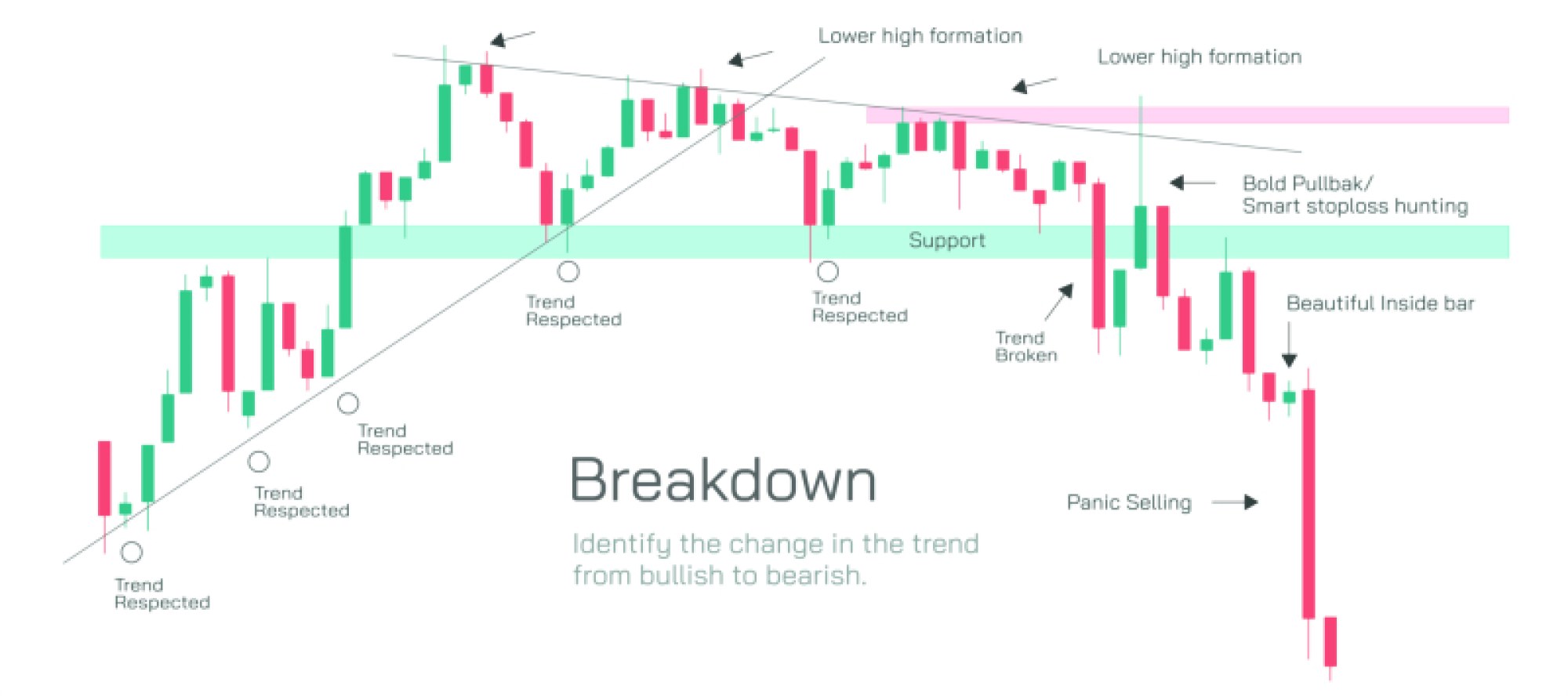
Traders use fair value gaps to identify potential entry or exit points. A gap below the current price may act as support, while a gap above may serve as resistance. By analyzing the size, location, and context of the gap, traders can anticipate potential price reversals, continuation patterns, or areas where liquidity may quickly return. Gap trading strategies often combine technical indicators, volume analysis, and market sentiment to predict when and how the gap may be filled.
Understanding fair value gaps also provides insight into market psychology. Gaps reflect sudden shifts in trader behavior and sentiment, indicating strong conviction or panic in buying or selling. Recognizing these imbalances helps investors understand the market’s reaction to news, momentum, and liquidity constraints, contributing to more informed decision-making.
In conclusion, a fair value gap represents a price imbalance in the stock market where trading was skipped, creating potential zones for correction or gap filling. By studying these gaps, traders can identify market inefficiencies, predict price movements, and develop strategies for entry and exit. Fair value gaps serve as a vital tool in technical analysis, offering insights into market dynamics, trader behavior, and price equilibrium in an efficient and dynamic marketplace.