Pollination Process Explained: Transfer of Pollen from Anther to Stigma in Flowering Plants
Pollination is one of the most vital biological events in the plant kingdom, marking the beginning of sexual reproduction in flowering plants and ensuring the continuation of plant species across generations. At its core, pollination involves the transfer of pollen grains from the anther, the male reproductive structure of a flower, to the stigma, the receptive surface of the female reproductive structure. Although this description sounds simple, the underlying process is an intricately coordinated interaction between plant morphology, environmental elements, and often living organisms that facilitate the movement of pollen. Without successful pollination, seeds and fruits cannot form, and therefore the preservation of plant diversity and food production would be impossible. This natural phenomenon is not an isolated biological transaction but a beautifully interdependent relationship between plants and their surroundings, often including animals, wind, water, and even gravity. The efficiency and mechanisms of pollination demonstrate an extraordinary evolutionary accomplishment by flowering plants, offering them a selective advantage in reproduction while shaping ecosystems and supporting entire food webs.
The structural design of the flower and its role in guiding the pollination event
To understand pollination deeply, it is essential to appreciate the structural architecture of a flower. The anther, situated atop the filament, releases pollen grains that contain the male gametes responsible for fertilization. The stigma, seated at the tip of the pistil, is often sticky or feathery, forming a perfect landing surface for capturing pollen. Between these structures lies the style, which becomes the passageway for the pollen tube to deliver genetic material to the ovary after successful pollination. Flowers display an astonishing variety of shapes, colors, fragrances, and nectar patterns, all of which contribute to ensuring that pollen reaches its appropriate destination. Some flowers are structured for self-pollination, meaning pollen moves from the anther to the stigma within the same flower or plant. However, most flowering plants rely on cross-pollination, where pollen is transferred between two different plants of the same species. Cross-pollination promotes genetic diversity, increasing the plant population’s resistance to disease, harsh climate, and evolutionary pressures. Whether the transfer occurs within a flower or between two flowers, the structure of floral organs makes the pollination process efficient and selective, favoring only pollen that is compatible and capable of survival on the stigma.
The pathways of pollen transfer: biotic and abiotic channels of pollination
The movement of pollen can occur through living organisms or physical environmental forces. In biotic pollination, animals—especially insects—play the most significant role. Bees, butterflies, moths, beetles, hummingbirds, bats, and even some small mammals visit flowers primarily in search of nectar or pollen as a food resource. While feeding, their bodies inadvertently collect pollen because of electrostatic forces or specialized hairs and then transfer it to the stigma of the next flower they visit. This unintentional cooperation is one of nature’s most successful mutualistic relationships, where animals gain nourishment while plants gain reproductive assurance. In some species, flowers are perfectly adapted to the anatomy and behavior of their pollinators, exhibiting patterns visible only under ultraviolet light, timing their fragrance release, and developing tube-like shapes or deep corolla pockets that select for specific pollinators. On the abiotic side, wind and water represent powerful non-living agents of pollen transfer. Wind-pollinated plants produce abundant, lightweight, dust-like pollen and generally have exposed anthers and feathery stigmas to maximize efficiency. Grasses, conifers, and many deciduous trees depend on this mechanism. Water-pollinated plants, rarer in occurrence, release pollen that floats on the water surface until it reaches another flower. Regardless of the pollination agent used, each pathway reflects an extraordinary adaptation to environmental conditions, ensuring that pollen reaches a compatible stigma at the right time.
The interaction between pollen and stigma: a refined chemical and biological selection system
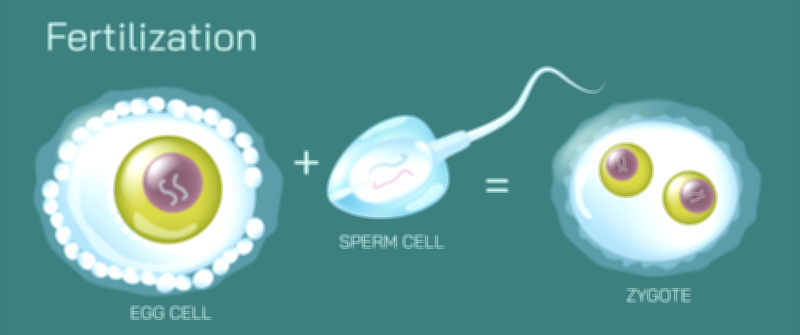
Pollination does not end when pollen reaches a stigma. In fact, the transfer is only successful when the stigma recognizes and accepts the pollen. The surface of the stigma contains biochemical receptors that evaluate the compatibility of each pollen grain. If the pollen belongs to the same species and is genetically appropriate, it adheres strongly, hydrates, and begins germination. The pollen tube then emerges and travels through the style toward the ovary, where unfertilized ovules reside. This tube becomes the vehicle through which the male gametes pass and ultimately fuse with the female gamete to form the zygote. If the pollen is incompatible—either from another species or too genetically similar within the same species—the stigma may reject it through drying, enzyme breakdown, or blocked tube growth. This astonishing molecular verification mechanism protects plants from wasting resources on faulty fertilization and reduces the likelihood of producing weak or unviable offspring. It ensures that pollination is not just a mechanical transfer of genetic material but a precisely regulated biological judgment that influences species survival and evolutionary strength.
The ecological importance of pollination and its contribution to life on Earth
The success of pollination offers benefits that ripple far beyond the individual plant. Pollinated flowers develop seeds and fruits, forming the basis of food supply for countless organisms, including humans. Nearly all agricultural crops that produce fruits, vegetables, nuts, and spices depend on pollination, and over three-quarters of flowering plant species rely on biotic pollination for reproduction. The interdependence between plants and pollinators shapes ecosystems by determining which plant species thrive and where they can grow. In turn, vegetation influences soil stability, climate regulation, habitat formation, and air purification. If pollination decreases or collapses, consequences cascade through the entire biosphere—plant diversity diminishes, food chains destabilize, herbivore populations decline, and the structural integrity of forests, grasslands, and wetlands becomes threatened. Modern environmental challenges, such as urbanization, extensive pesticide usage, deforestation, and climate shifts, have placed many pollinator species under declining pressure, emphasizing the delicate balance inherent in pollination networks. Protecting pollination is equivalent to safeguarding planetary life support systems.
Pollination as a triumph of evolution and a reminder of the interconnected web of life
At every stage, the pollination process highlights the remarkable intelligence of natural evolution. The structural adaptations of flowers, the behavioral instincts of animals, and the molecular accuracy of stigma recognition together create a complex but harmonious reproductive pathway that has enabled flowering plants to dominate Earth’s landscapes. Pollination is not only a biological mechanism but a story of cooperation, timing, attraction, and selective success. It demonstrates how deeply organisms depend on one another even without conscious interaction, and how fragile yet resilient natural relationships can be. The continuation of forests, the food security of human societies, and the survival of insects, birds, and mammals are all intertwined with the simple yet profound transfer of pollen from anther to stigma, making pollination a core pillar of life on Earth.