A Complete Guide to Veg and Non-Veg Symbols and Their Role in Food Identification
Food identification plays a central role in helping individuals make clear, informed, and confident dietary choices. In many regions, especially where diverse eating practices exist, veg and non-veg symbols serve as visual cues that simplify food decision-making for consumers. These symbols appear on restaurant menus, product packaging, store shelves, food delivery platforms, and numerous other points where dietary clarity is needed. Their main function is to communicate ingredient origin, thereby allowing individuals to align their choices with cultural, ethical, medical, or personal preferences.
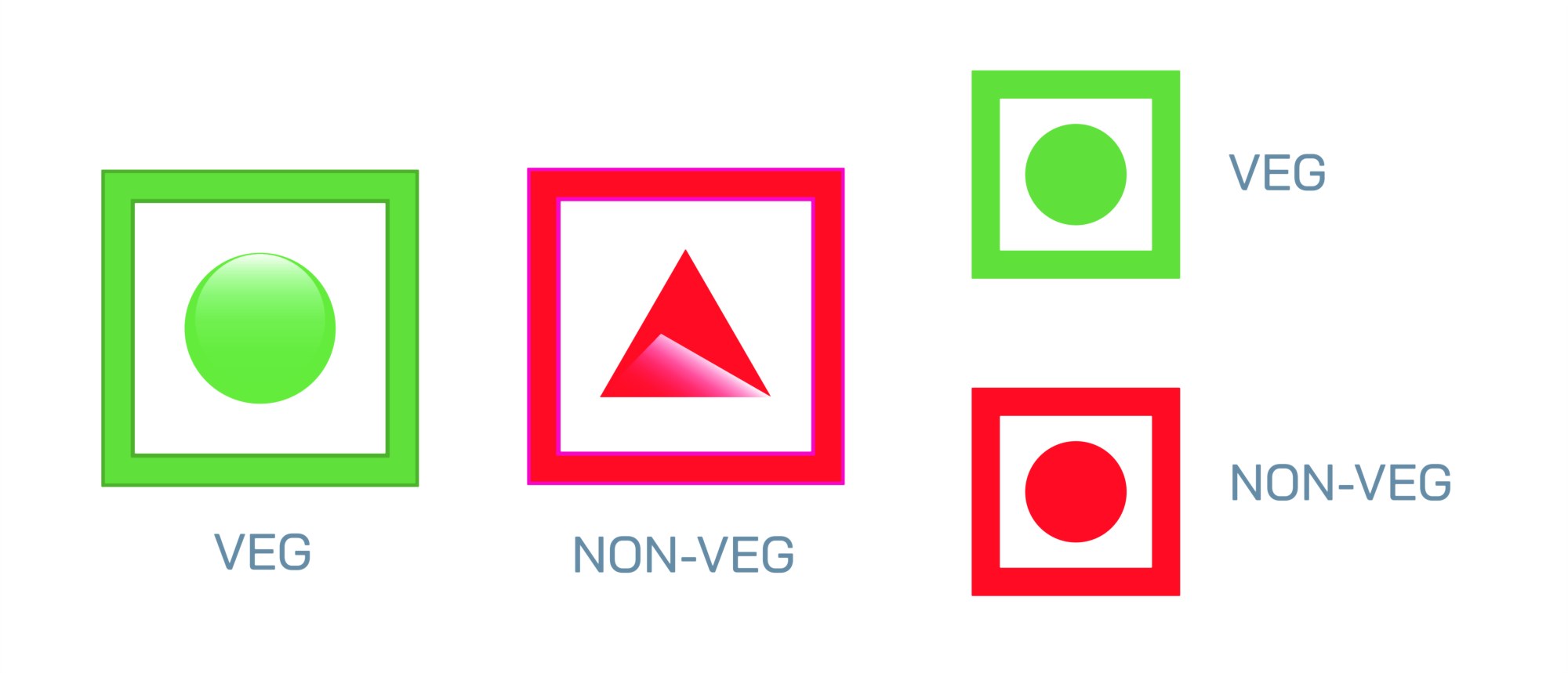
The veg symbol typically appears as a green mark featuring a simple geometric form. This symbol signals that the item does not contain meat, fish, or related components. It helps consumers quickly identify suitable options without reading lengthy ingredient lists. Many individuals rely on this green symbol to maintain consistency in their diet, especially when exploring new brands or dining outside familiar settings. Its presence ensures transparency and builds consumer confidence by offering assurance about the nature of the dish or product.
In contrast, the non-veg symbol uses a red mark, defining that the item contains ingredients derived from animals or marine sources. This includes meat, poultry, seafood, and sometimes processed products containing hidden non-veg elements. The use of a red mark makes identification quick and avoids confusion for those who prefer clear separation of dietary categories. The symbol supports individuals who specifically look for such items or those who avoid them. Its consistent design across packaging and menus ensures that consumers recognize it instantly, even when encountering new vendors or unfamiliar layouts.
The importance of these symbols extends beyond basic clarity. They help maintain trust between consumers and brands by preventing misunderstandings. When individuals rely on these cues, they reduce the need to analyze ingredient lists or ask for repeated confirmation. In large markets where many products compete for attention, these symbols streamline the decision process. They also support individuals with specific cultural expectations, reinforcing respect for personal dietary guidelines. In many homes, these symbols assist families with varied food habits by simplifying meal planning and grocery organization.
Menus in restaurants use these symbols to help customers browse quickly. Whether ordering at a casual eatery, formal dining space, or digital application, the use of veg and non-veg symbols makes the selection process smoother. Chefs also benefit from this system, as it allows them to categorize offerings clearly, reducing the risk of miscommunication. With increasing interest in dietary transparency, these symbols grow more relevant in both traditional environments and modern digital platforms.
In packaged food, symbols serve a legal and ethical purpose. Manufacturers display these marks to comply with guidelines and ensure customers understand the nature of the product. This practice becomes essential in regions where food labeling norms emphasize clarity. It also helps individuals with strict dietary rules avoid products that contain traces of elements they wish to exclude. The consistency of the symbol shapes helps reduce errors, offering a uniform and reliable reference for shoppers.
Food delivery services use these symbols prominently to ensure correct ordering. With menus containing hundreds of items, symbols help streamline the customer experience. They reduce chances of incorrect selection and help users filter multiple food types according to preference. In fast-scroll interfaces, these symbols act as quick identifiers, improving usability and reducing decision stress.
Beyond individual decision-making, these symbols support broader awareness about food classification. They create a clearer distinction between categories, making food environments more inclusive. Consumers from diverse backgrounds find reassurance in systems that respect their choices, whether rooted in tradition, personal preference, or health needs. The presence of these symbols reinforces responsible communication from manufacturers and service providers.
The veg and non-veg symbol system thrives because of its simplicity, recognizability, and consistency. Its design allows consumers to interpret dietary content at a glance. As the food industry evolves with new product lines, expanded menus, and innovative ingredients, these symbols remain essential for creating trustworthy and accessible food environments. They continue to serve as silent guides in everyday decision-making, enabling smoother experiences in markets, restaurants, and digital spaces. Through this structured visual language, the food ecosystem becomes more transparent, inclusive, and user-friendly.