Adenoviruses — Structure, Transmission, and Host Interaction Explained
Adenoviruses are common agents that affect a broad range of human tissues and produce several clinical symptoms. These organisms are known for their strong ability to spread through various paths and their notable structure, which contributes to their behavior in the host. Their form is compact yet highly efficient, enabling smooth entry into host cells and effective use of host systems for their activity. Because they produce a wide range of outcomes, understanding their structure and behavior is essential for interpreting their medical impact.
The form of an adenovirus includes a sturdy shell known as the capsule. This shell provides stability when the organism moves through the environment or host surfaces. The outer layer contains protein units that help the organism survive different conditions. These units also handle early contact with host surfaces, making them important for overall behavior. The shell must remain strong for the organism to reach host tissue without damage. Inside the shell, the dna carrier sits protected. This internal material holds instructions that guide the organism once it enters a host cell.
The outer surface also contains additional protein parts responsible for linking with host cell receptors. These parts detect suitable entry points on the host surface. When the link is successful, the organism attaches firmly. This linking step is crucial because it determines which tissue group becomes affected. Different tissue regions respond differently to this action, which explains why some cases involve the airway, while others involve eye surfaces or gut surfaces. The link step also signals the start of entry into the host environment.
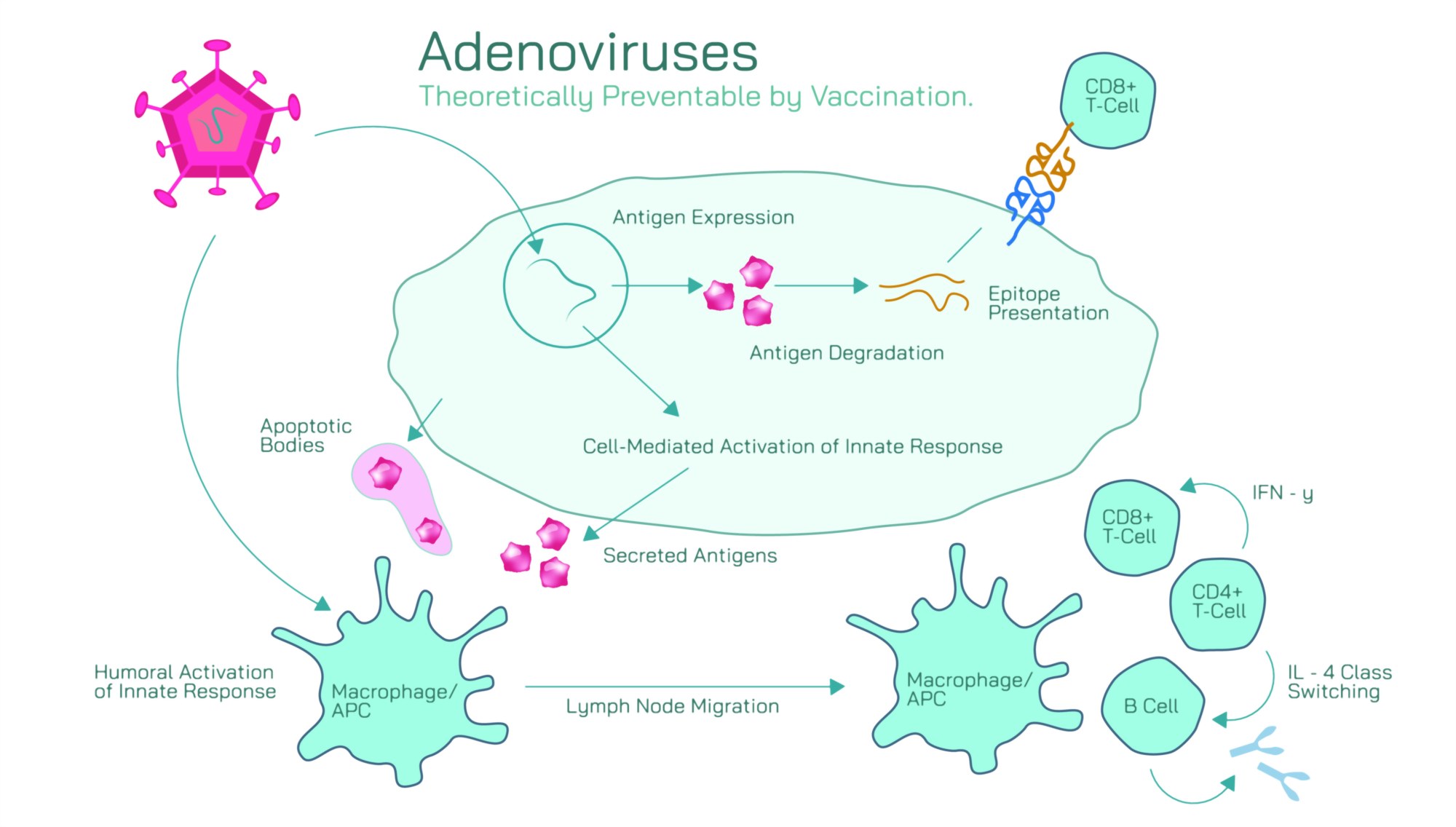
Once inside, the organism releases its internal material. This dna structure interacts with the host system and begins to influence cell activity. The host then follows new instructions that support the development of new organisms. This process produces more particles, which either remain in the region or move to nearby areas. The body recognizes this activity through several signals. These signals alert the immune system, which begins to react. Immune action includes protective shifts that attempt to clear the organism and repair affected tissue.
Adenoviruses can spread through water, air, or direct contact. Because the organism can remain stable in different environments, spread becomes common in close community settings. Water spread occurs in regions where the organism survives moist conditions. Airway spread happens when particles move through air from one host to another. Contact spread occurs when surfaces touch areas containing the organism. Each path allows smooth movement from one individual to the next, especially when host barriers are not strong enough to prevent entry.
These organisms can affect several body regions. Airway involvement often produces throat fever, coughing, or airway irritation. Eye involvement may lead to a noticeable eye syndrome marked by redness or fluid. Gut involvement may cause gut illness characterized by discomfort. The pattern of symptoms differs based on tissue target and host response. Some individuals experience mild effects, while others may show more intense symptoms. Pediatric groups may respond differently from adult groups due to variations in host barriers and immune response.
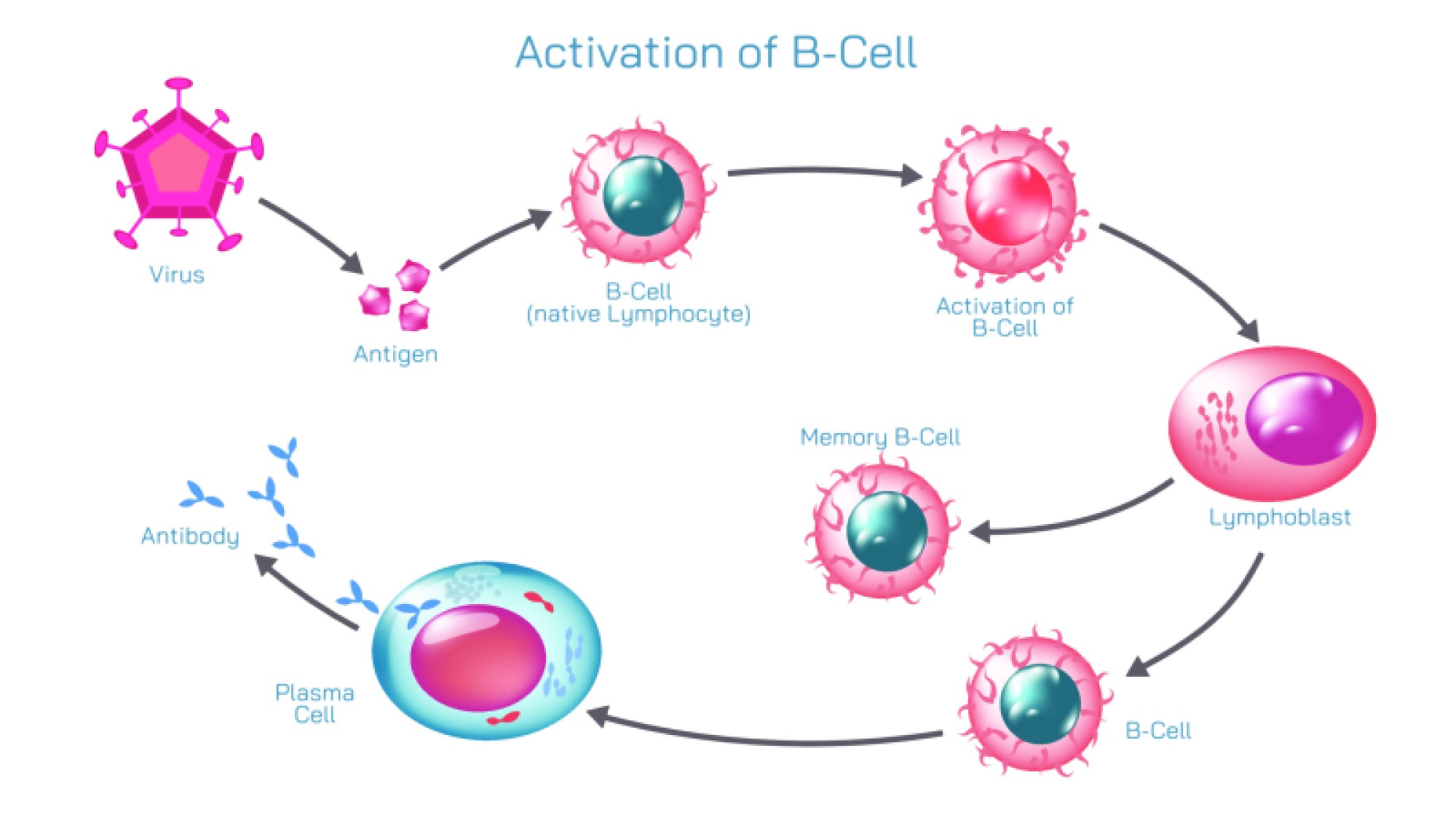
The immune system plays a major role in handling these organisms. Immune action attempts to limit spread and restore balance. It recognizes the presence of the organism through signals produced in affected tissue. These signals lead to responses that limit organism growth and ease symptoms. When immune shift becomes strong enough, symptoms begin to decrease. Some tissues show quick response, while others take longer to recover due to tissue form and severity of impact. Host response determines how long symptoms last and how strong they become.
Because adenoviruses possess stable structure and strong environmental resistance, they are also used in controlled laboratory settings. The genetic vector form of these organisms allows researchers to study gene entry and gene movement in controlled systems. Their ability to deliver dna without causing major harm under controlled conditions makes them useful tools in medical research. They serve as models for understanding how genetic material moves through host tissue and how cells respond to new instructions.
The symptom pattern associated with these organisms varies widely. Some individuals show clear signs such as airway irritation, eye discomfort, or gut changes. Others may only show mild symptoms. The organ impact depends on receptor link efficiency and host barrier strength. Spread pattern analysis helps experts understand how the organism moves through communities. Clinical review helps determine which tissue regions are most affected in each period. Medical note records provide insight into how different groups respond to exposure.
Although often mild, adenoviruses can become significant in sensitive groups. Understanding their structure, behavior, and movement helps improve awareness and supports better protective steps. Their predictable entry step, strong capsule shell, and durable protein coat explain why they remain active in many environments. Their ability to move through water, air, and contact makes them efficient in reaching new hosts. By analyzing host response and symptom pattern, experts can form clearer strategies for managing exposure.