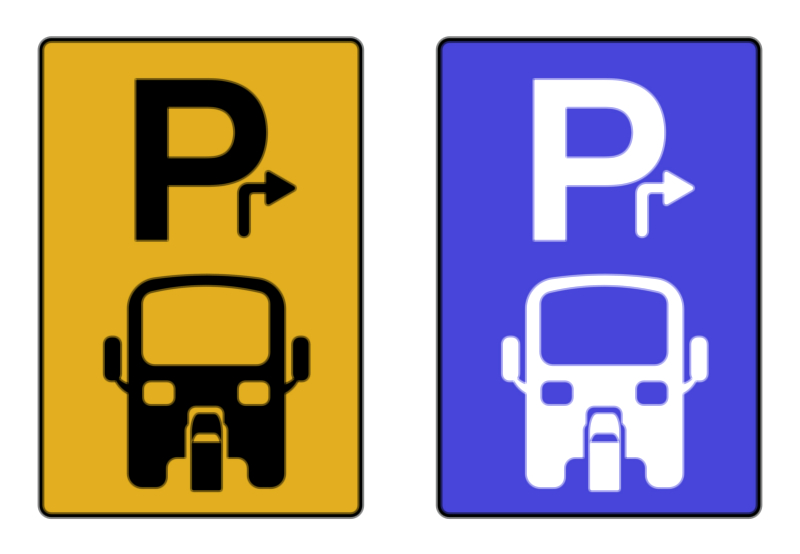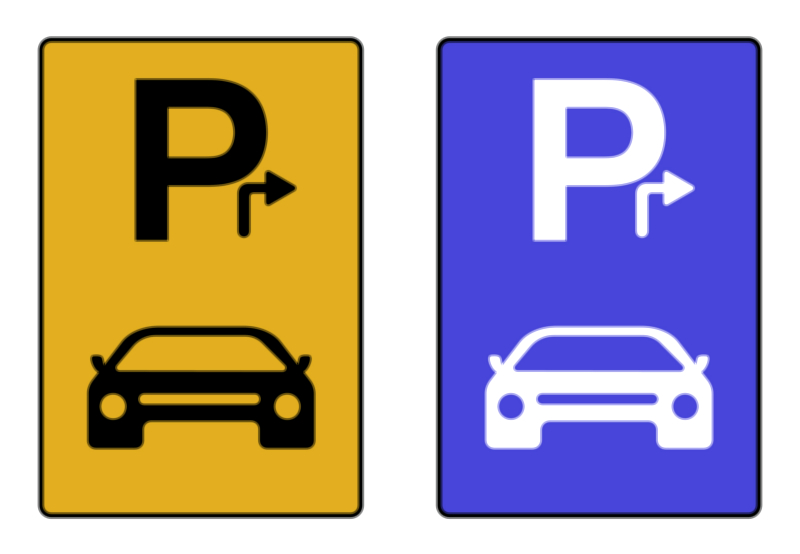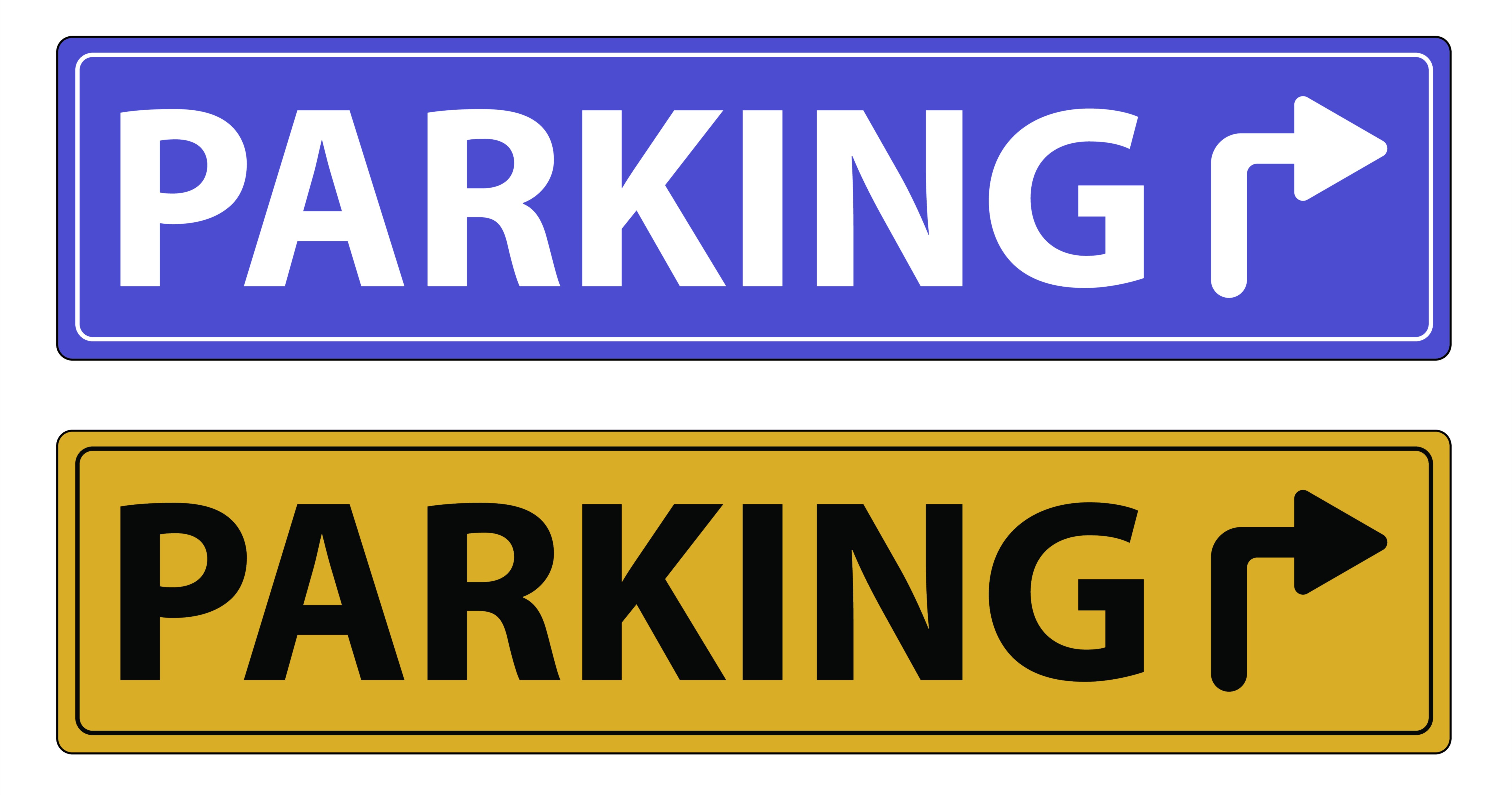
Parking Lot Here Sign Board — Vehicle Parking Direction Sign
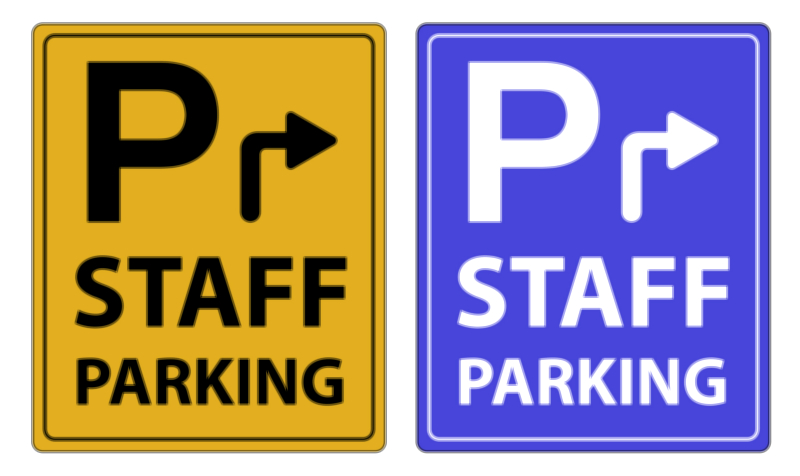
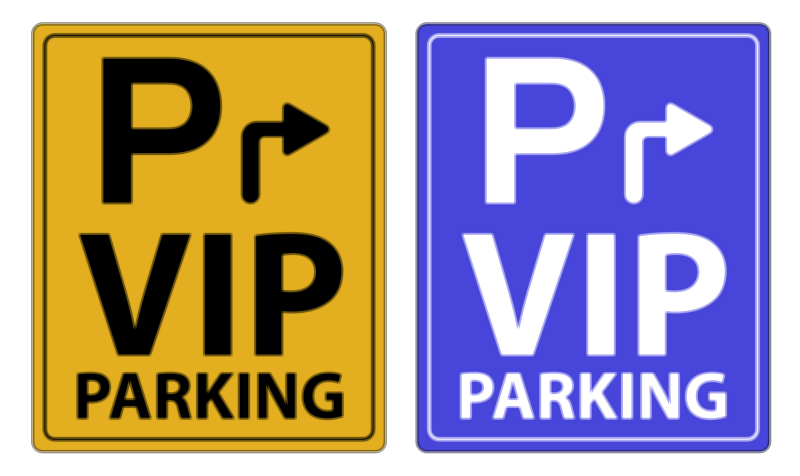
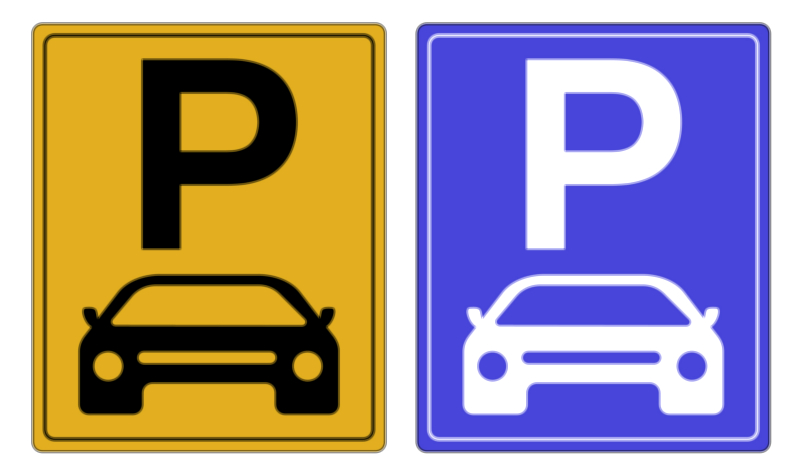
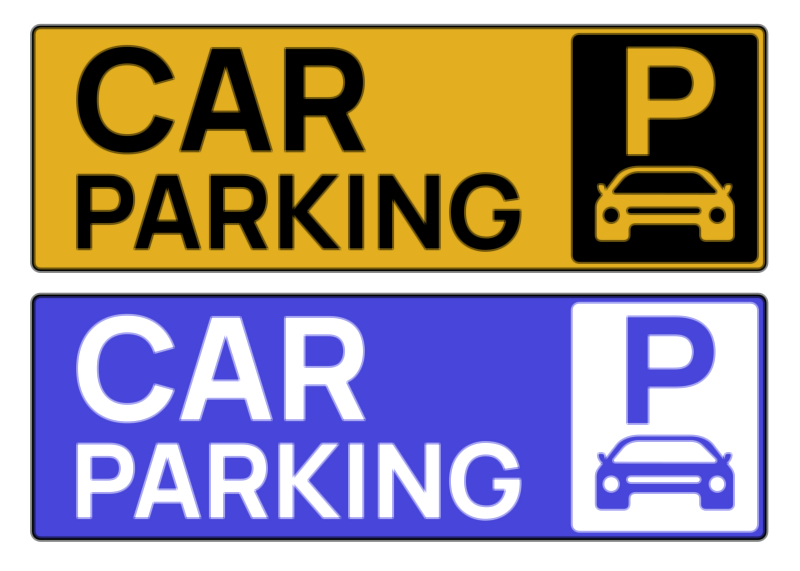
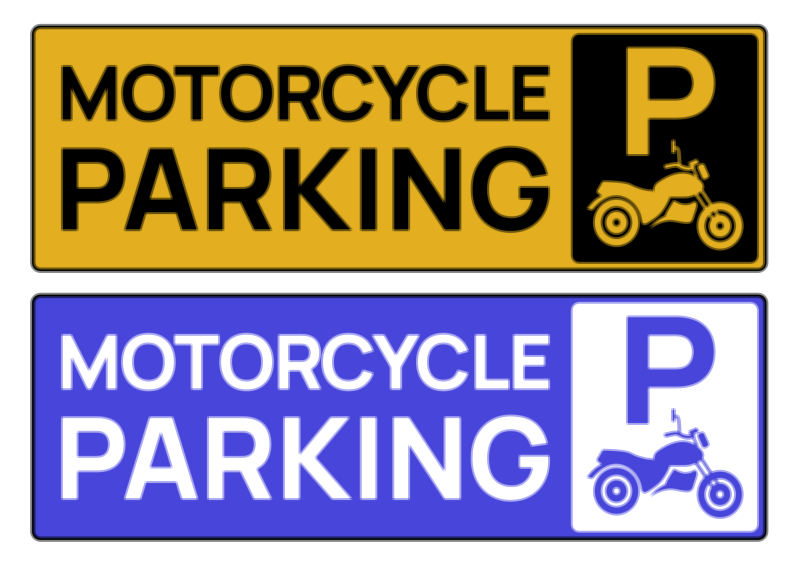
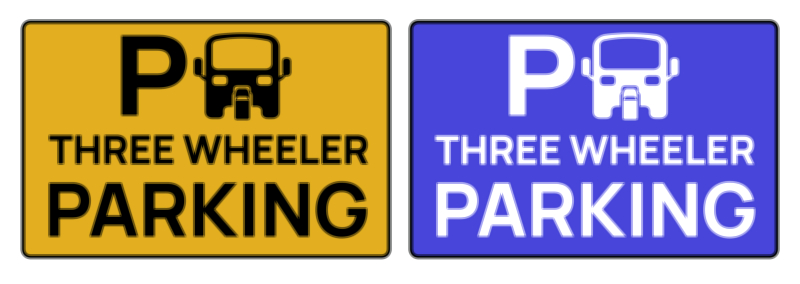
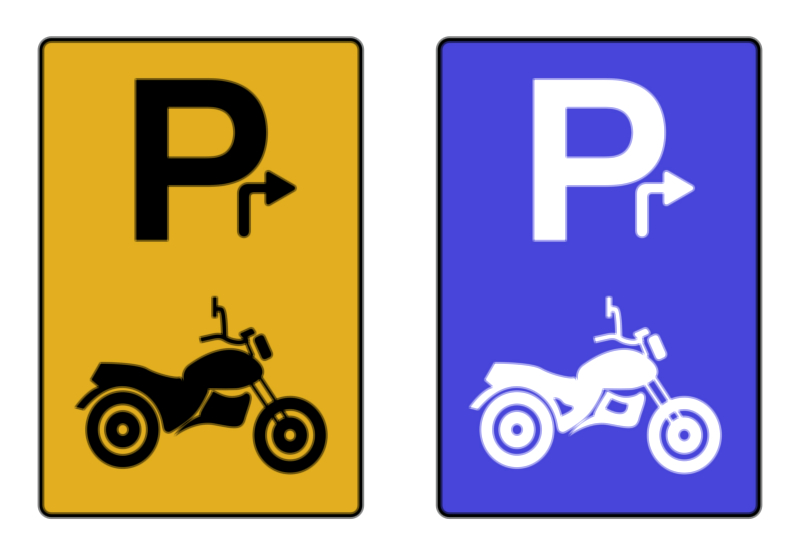
A Parking Lot Here sign board, typically portrayed in vector illustration form with a prominent “P” symbol, a directional arrow, and sometimes a vehicle silhouette to reinforce the context, seems at first like a simple piece of guidance pointing drivers toward a place where they are allowed to leave their vehicles. Yet beneath that minimalist graphic lies a deeply influential tool in transportation planning, pedestrian protection, user experience design, and spatial organization across both small private premises and large public infrastructures. A sign that informs drivers that parking is here rather than somewhere nearby fundamentally changes how individuals, families, employees, customers, and service providers interact with their environments. It eliminates guesswork and hesitation, lowering the cognitive burden of finding a space, reducing stress that builds when drivers are uncertain, and helping vehicles settle into designated areas rather than wandering through zones that are meant for walking or access rather than storage. A Parking Lot Here — Vehicle Parking Direction Sign is not simply an arrow; it is an architectural invitation designed to guarantee that cars are placed in the exact part of the environment calibrated for them without interrupting safety, sightlines, emergency paths, commerce, or comfort.
The greatest value of this directional sign appears when imagining areas where parking is available but not clearly indicated. When a parking zone exists but lacks directional signage, drivers circle the property, stop in front of entrances, linger at security gates, or slow unexpectedly in lanes while trying to understand where they are supposed to go. These actions add traffic friction and raise the chances of vehicle conflict, pedestrian risk, and unnecessary honking. Every moment of confusion increases the probability that someone will improvise parking — leaving the car in a place that might be temporarily convenient for them but obstructive for others. The Parking Lot Here sign solves this at the very beginning of the experience: it points drivers directly into the correct zone before they reach the point where convenience overrides consideration. When a sign explicitly marks this direction as the designated parking lane or parking entrance, it ensures that movement stays predictable, that pathways remain clear, and that the building’s approach does not dissolve into a chaotic mixture of stopping, reversing, turning, and debating.
The sign also supports the psychological experience of arrival. When people arrive at schools, hospitals, workplaces, hotels, malls, airports, educational institutions, government buildings, residential complexes, or event venues, their first frame of reference is not the front door but the parking decision. That moment determines whether the visit begins calm or stressed. A Parking Lot Here sign welcomes visitors not through words but through certainty — it removes the concern of “Where do I go now?” before it has the chance to form. Parents dropping children at school no longer rush and panic in disorganized parking areas; patients arriving at clinics are not burdened by unnecessary walking caused by uncertainty; office employees do not risk being late to work because parking was difficult to figure out; and customers walking into shops do not begin their purchase experience with frustration. A simple directional sign becomes the first element of hospitality and professionalism for the environment behind it.
Commercial benefit is another powerful layer of meaning behind this sign. In retail districts and business zones, customer flow depends heavily on how easy it is to enter the building. When parking is confusing, customers often choose a different store, delay their visit, or abandon the attempt altogether. Even high-quality businesses lose revenue when the customer journey begins with irritation or logistical difficulty. A Parking Lot Here sign ensures that drivers do not clog storefronts, loading docks, entry walkways, or intersections while they search for a place to leave the vehicle. Instead, they are drawn directly toward the designated zone where stopping is safe and expected. Deliveries, online order pickups, shopping, dining, and service appointments all become smoother because the building is approached by customers with predictability and comfort. The sign influences commercial success not by advertising products but by safeguarding access to the businesses that offer them.
From an accessibility standpoint, the importance of the sign is amplified even further. People with mobility challenges — senior citizens, wheelchair users, pregnant women, individuals recovering from surgery, or anyone who needs physical support to walk — suffer disproportionately when parking is unclear. Parking uncertainty often leads to random stopping, which blocks ramps, tactile pathways, and curb-cut entrances that were designed to give independence to those who need safe and unobstructed movement. A Parking Lot Here — Vehicle Parking Direction Sign prevents this by giving drivers a clear direction before they reach architecture built for accessibility. Accessibility is not only about providing ramps; it is about protecting those ramps from being misused as shortcuts, drop-off points, or parking spaces. A directional sign preserves dignity and independence without requiring confrontation or enforcement.
Directional parking signage also helps maintain emergency readiness. Fire lanes, ambulance arrival zones, rescue entrances, hydrant approaches, and evacuation gates cannot be compromised even momentarily. Yet without clear direction, drivers unintentionally stop near these areas because they seem convenient or because there is no visible alternative. A sign that confidently and visibly says “Parking Lot Here” makes the alternative known before drivers enter hazard-sensitive spaces. In critical moments, seconds count; when routine parking is predictable and directed, emergency pathways stay unobstructed and responders reach their destination without delay.
On the road-safety level, directional signage reduces unpredictable vehicle behavior — one of the leading contributors to minor and major accidents. A driver searching for parking is more likely to brake unexpectedly, miss mirrors, reverse abruptly, or cut across lanes. Uncertainty weakens judgment. By comparison, a Parking Lot Here sign removes uncertainty entirely: drivers adopt a single predictable movement pattern that is easy for others to anticipate. That predictability protects pedestrians crossing walkways, cyclists traveling beside cars, two-wheelers moving through gaps, and delivery vehicles navigating narrow internal roads. Traffic flow becomes calmer, smoother, and quieter with fewer erratic impulses, fewer horns, and less stress on every user of the road.
The rise of smart mobility and digital navigation has extended the power of physical signs even further. Modern parking systems combine digital mapping, mobile apps, QR-based gate entry, camera-based enforcement, and automated payment. Yet none of these systems function effectively unless drivers first reach the correct physical spot — something made possible by intuitive directional signage. A vector-based Parking Lot Here symbol is instantly recognized not only by humans but also by machine-vision cameras, mapping algorithms, and signage-based automation. It contributes both to environmental clarity and to the functioning of smart infrastructure.
The sign also supports workflow for staff, security personnel, customer service teams, valet assistants, and management teams who are responsible for the site. Without clear direction, these individuals spend time directing vehicles manually, resolving complaints about space, or relocating cars that parked incorrectly. When signage performs the guidance role automatically, human resources can focus on service rather than problem-solving.
More subtly, a Parking Lot Here sign is a tool of social harmony. Without guidance, drivers must negotiate silently with one another, often leading to rivalry, frustration, defensive parking positioning, or arguments about right-of-way. With clear guidance, everyone understands where the correct place is and follows an ordered sequence rather than a competitive instinct. The sign prevents friction not by rules but by information. It supports courtesy without needing enforcement.
At its deepest level, the Parking Lot Here — Vehicle Parking Direction Sign contributes to shared dignity in public and private spaces. It communicates that people deserve clarity, that their time matters, that their safety is valued, and that movement through the world should not be a contest but a cooperative flow. A driver who follows this sign without hesitation protects pedestrians from risk, prevents storefronts from being blocked, respects accessibility infrastructure, leaves emergency entrances unobstructed, and allows the next driver to navigate comfortably. That quiet cooperation adds up — every day, everywhere the sign is used.
Thus, although the vector illustration of this sign seems small and simple, it is a building block of organized mobility and human-centered design. It shapes the arrival experience, reduces confusion, supports businesses, preserves pedestrian safety, protects accessibility, enhances emergency readiness, stabilizes traffic behavior, and upholds collective respect for public space. When a Parking Lot Here sign is placed thoughtfully and followed consistently, the environment becomes safer, calmer, more predictable, and more welcoming for every individual who uses it — on wheels and on foot alike.