A Comprehensive Guide to Modern Jeans Styles and Their Fashion Roles
Jeans remain one of the most widely worn clothing pieces, offering durability, comfort, and adaptability for countless outfit themes. As denim has evolved, numerous styles emerged to meet different shape needs, comfort levels, and aesthetic goals. Understanding these styles helps create outfits that reflect personal taste while supporting practical use. Each style brings a unique mixture of cut, rise, and leg shape. Exploring these features offers insight into how certain forms suit particular activities, body frames, and fashion moods.
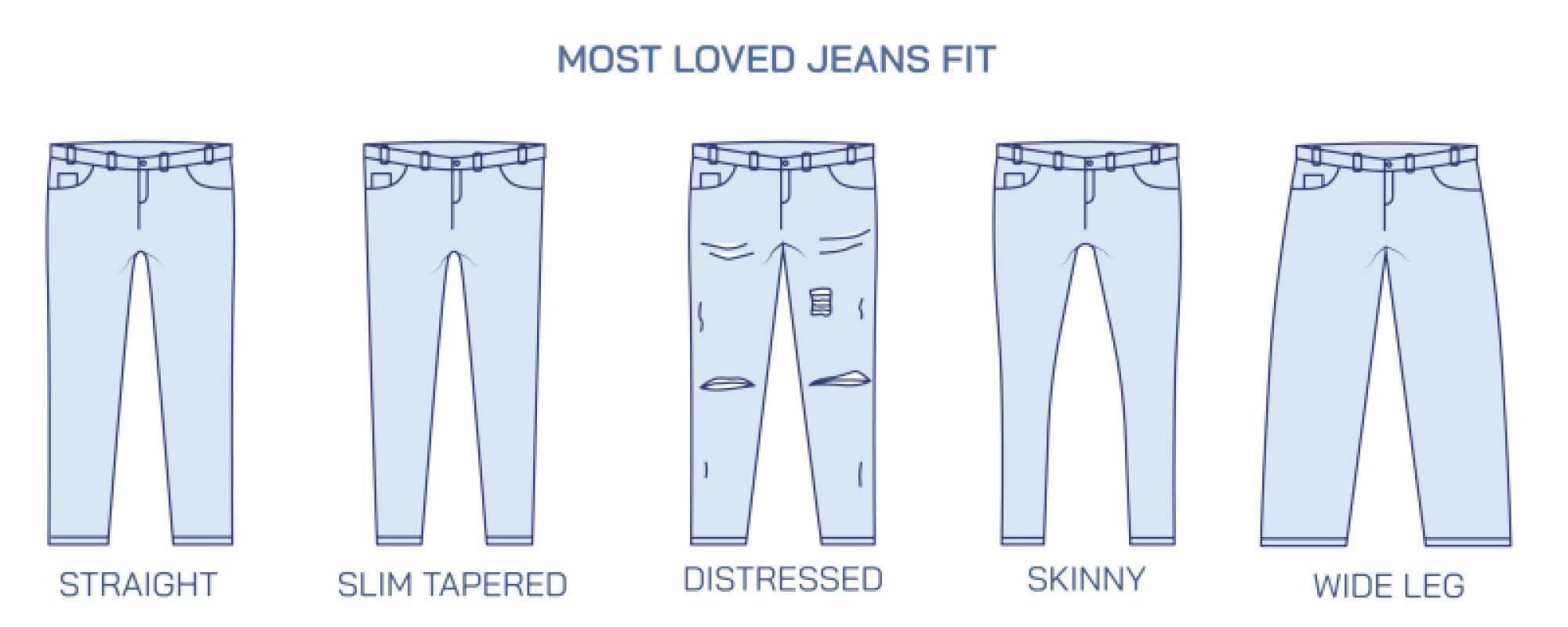
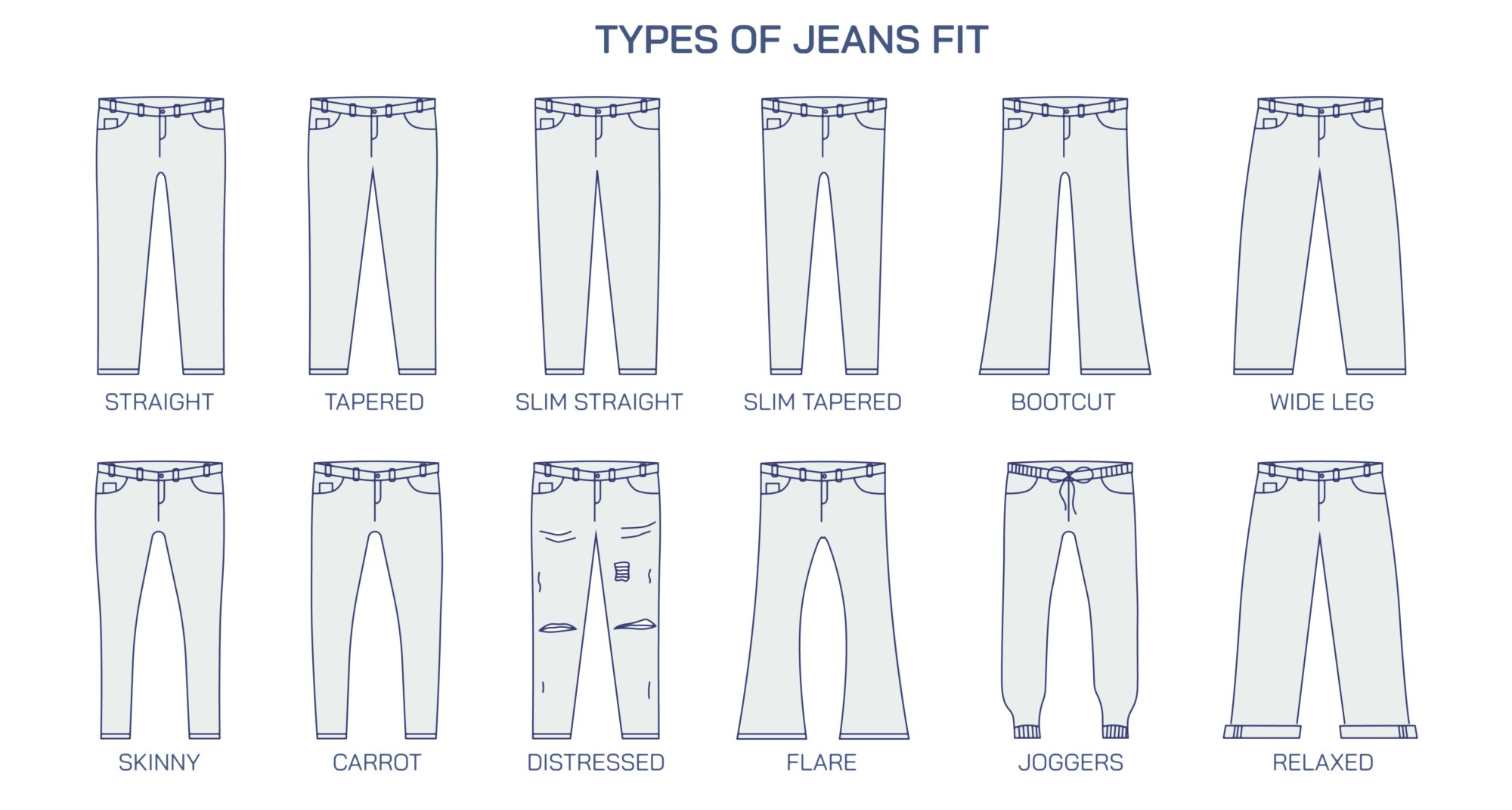
Straight versions retain a timeless appeal that blends classic structure with balanced flow. They maintain an even line from hip to hem, giving a stable outline that suits both relaxed days and neat looks. Because of their versatile form, they pair easily with loose tops, tight shirts, casual jackets, and tidy blazers. This consistency makes straight designs a safe option for anyone preferring balanced presentation without dramatic leg shape. Their smooth outline also works well with both sneakers and polished shoes.
Skinny versions rely on closely shaped legs that create a sleek silhouette. They remain a go-to choice for outfits emphasizing sharp lines. Their snug form highlights the lower limb outline, making them useful for layering with oversized tops, long coats, and tall boots. Though slim forms gained enormous popularity, they require flexible, comfortable blends to maintain ease of motion. Well-made versions provide supportive form without excessive tightness. Their shape suits urban themes, night outings, and bold statement looks.
Bootcut versions widen gently from the knee downward, originally designed to fit smoothly over boots. Their lower flare provides visual balance, making them effective for drawing attention downward while maintaining moderate flow around the upper leg. Bootcut structures pair especially well with heeled footwear because the lower expansion complements the uplifted stance. Their shape also adds practical movement room, making them suitable for long walk days or casual trips.
Flare versions, more dramatic than bootcut, showcase a pronounced outward sweep. This shape became widely known during earlier fashion eras and returned repeatedly due to its expressive outline. Flare forms highlight the lower leg while bringing a dynamic sense of motion. They add visual drama and are often combined with fitted tops to balance proportions. Flared bottoms work well for fashion shoots, stage events, and expressive street outfits where shape emphasis is key.
Wide-leg versions offer generous space from hip to hem, creating a breezy, relaxed flow. This form is highly valued for comfort, travel use, and minimal restriction. The airy shape helps maintain comfort across long hours and varied climates. Many choose wide profiles for blending ease with style, often pairing them with snug tops or short jackets to balance the expansive lower half. Their movement quality makes them ideal for those who prefer roomy silhouettes.
Mom versions feature a relaxed upper fit with a gentle taper toward the lower leg. Time revived these forms due to their comfortable rise and supportive mid-section. They capture a blend of retro and modern appeal, making them a strong option for casual days. Mom shapes match effortlessly with tucked tops, cropped jackets, and soft sweaters. Their notable rise gives a secure feel while offering smooth torso balance.
Boyfriend versions convey a laid-back, slightly oversized mood. They combine softness, looseness, and slouch characteristics. Their comfort-oriented structure makes them perfect for weekend wear and creative dressing. When paired with fitted tops or crisp accessories, they form an appealing contrast between casual comfort and styled intention. Their easy flow makes them highly adaptable to different settings, from casual gatherings to outdoor café scenes.
Cropped versions end above the ankle, revealing footwear clearly. They help highlight shoes while keeping overall silhouette clean. Their shorter form supports both warm weather and layered looks. Paired with sandals, boots, or sports shoes, cropped lengths bring attention to the lower portion of the outfit. Their cut also prevents bunching, offering a tidy finish for those who prefer minimal stacking at the hem.
Tapered versions narrow gradually from thigh to ankle. They strike a balance between straight and skinny forms. Their controlled narrowing gives a refined appearance suitable for professional or semi-formal outfits. Many choose tapered versions for their adaptiveness, making them fit for office settings, meetings, and simple outings.
Rise differences also shape the overall experience. Low versions sit near the hip, creating longer torso appearance. Mid versions sit comfortably around the natural waist and suit most settings. High versions sit above the waistline, adding structure and providing a secure wrap around the mid-section. Each rise supports different proportions, helping individuals find forms that complement torso length, leg length, and outfit composition.
Washes, textures, and blends further widen the styling range. Light washes suit relaxed daytime looks, while dark washes offer sharper, dressier edges. Stretch blends increase mobility while pure cotton forms maintain firmer outlines. All these factors shape how the final outfit feels and appears. Exploring styles, rises, and washes helps individuals choose forms that enhance comfort and personal expression.
Jeans remain one of the most adaptable garments because each variation carries unique character. By understanding these differences, anyone can build a wardrobe that supports diverse moods, activities, and settings. Whether choosing sleek lines, roomy shapes, classic cuts, or expressive flares, modern denim offers a comprehensive toolset for shaping confident, comfortable, and stylish outfits.