T and B Cell Lymphocytes — A Detailed Guide to Their Structure, Activation, and Immune System Functions
T and B cell lymphocytes form the core of adaptive body defense. These cells perform specialized duties that help the system recognize harmful agents, respond to them with accuracy, and develop long-lasting memory. Their combined activity forms a structured network that maintains balance and keeps the body prepared for repeated exposure. Each group follows its own sequence of steps, yet both interact closely to produce a coordinated response.
T cells begin their life in early tissue regions and complete their development in a dedicated organ that prepares them for complex tasks. Once ready, they circulate through body layers and search for signals that identify possible threats. These signals emerge when other immune units capture harmful material and display parts of it on their surface. T cells examine these displays carefully and choose appropriate actions. Some T cells assist other units, guiding them into stronger responses. Others take direct action by eliminating cells that contain harmful material. This dual activity ensures a balanced response based on the situation.
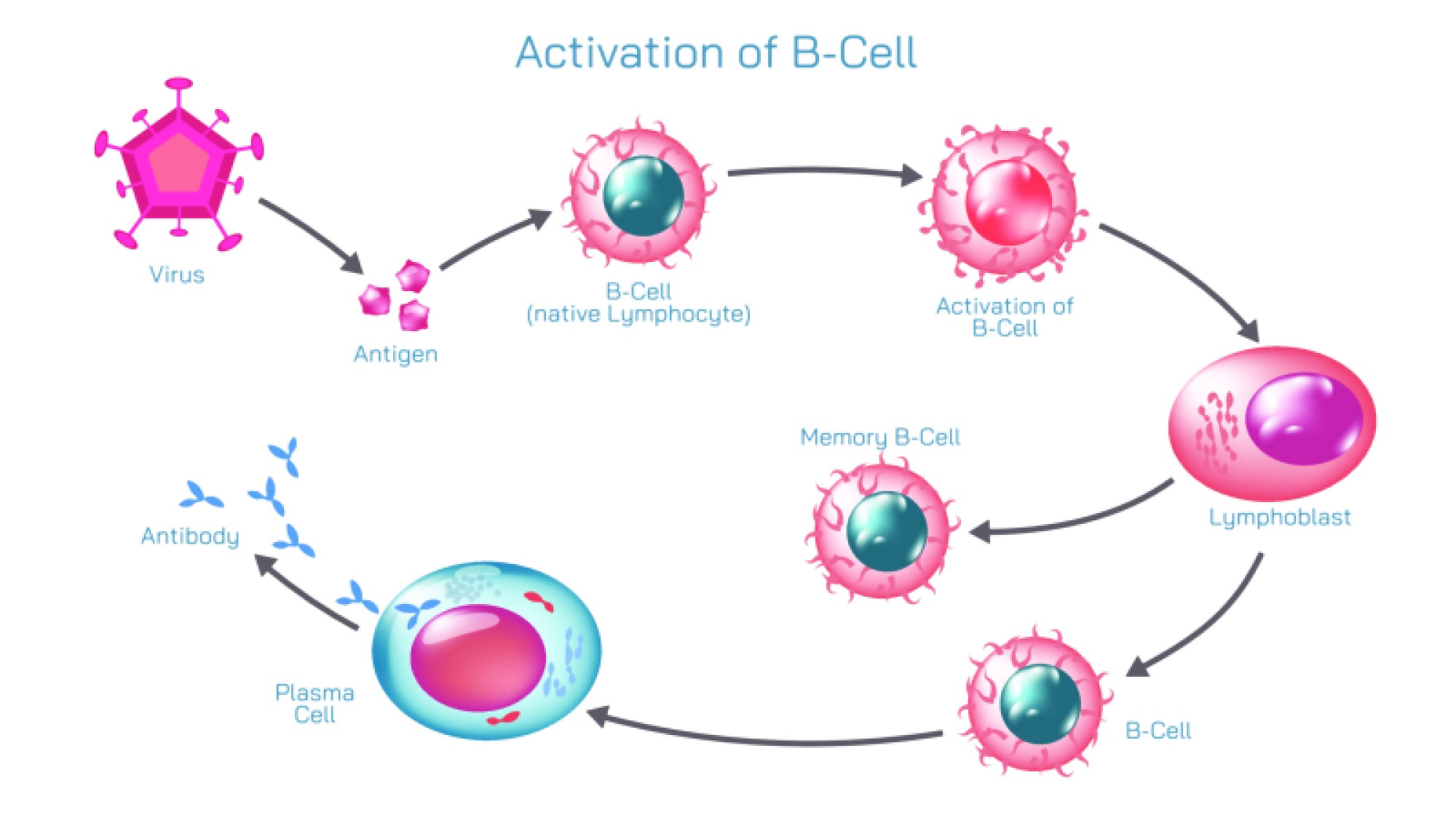
B cells follow a different path. They develop in structured tissue regions and wait for signs of harmful entry. When B cells detect material that matches their specific pattern, they begin a transformation process. With help from T cells, they become plasma cells that release large amounts of important proteins capable of identifying harmful agents. These proteins spread through body fluid and attach to harmful targets. Once attached, they label these targets for removal by other immune groups. This system provides strong and precise protection.
The process becomes even more effective because both T and B cells create memory units. These memory units remain in the body for long periods. When the same harmful agent returns, memory units remember it. This memory triggers a response that is faster and stronger than before. The body uses this method to prevent repeated issues from earlier exposure. This ability to remember and respond quickly is one of the major advantages of adaptive defense.
The interaction between these two groups forms a network of cooperation. T cells can activate B cells by providing signals that enhance their transformation. B cells, on the other hand, present material that helps T cells understand the nature of the threat. This loop allows the system to adjust its activity. Both groups rely on controlled signals to avoid excessive or weak responses. The balance between activation and regulation ensures the body does not harm its own tissue.
During harmful entry, the system reacts in stages. First, alert units detect unwanted material. Then, they carry this material to regions where T and B cells gather. Once there, T cells check the displayed material and activate. Activated T cells then communicate with B cells, which start producing proteins tailored to the harmful agent. These proteins bind to the target and help remove it from the body. Meanwhile, killer T cells move toward regions where harmful material hides inside cells and eliminate those cells. This combination of approaches ensures complete coverage.
In some cases, different tissues require specific types of T and B cell activity. Certain T cells focus on deep tissue layers, while others stay near surface regions. Some B cells produce quick protein responses, while others form slower but longer-lasting reactions. The system adapts to the type of threat, whether it is a surface-level issue or a deeper, more hidden problem. This flexibility is possible because of the vast variety within both T and B cell classes.
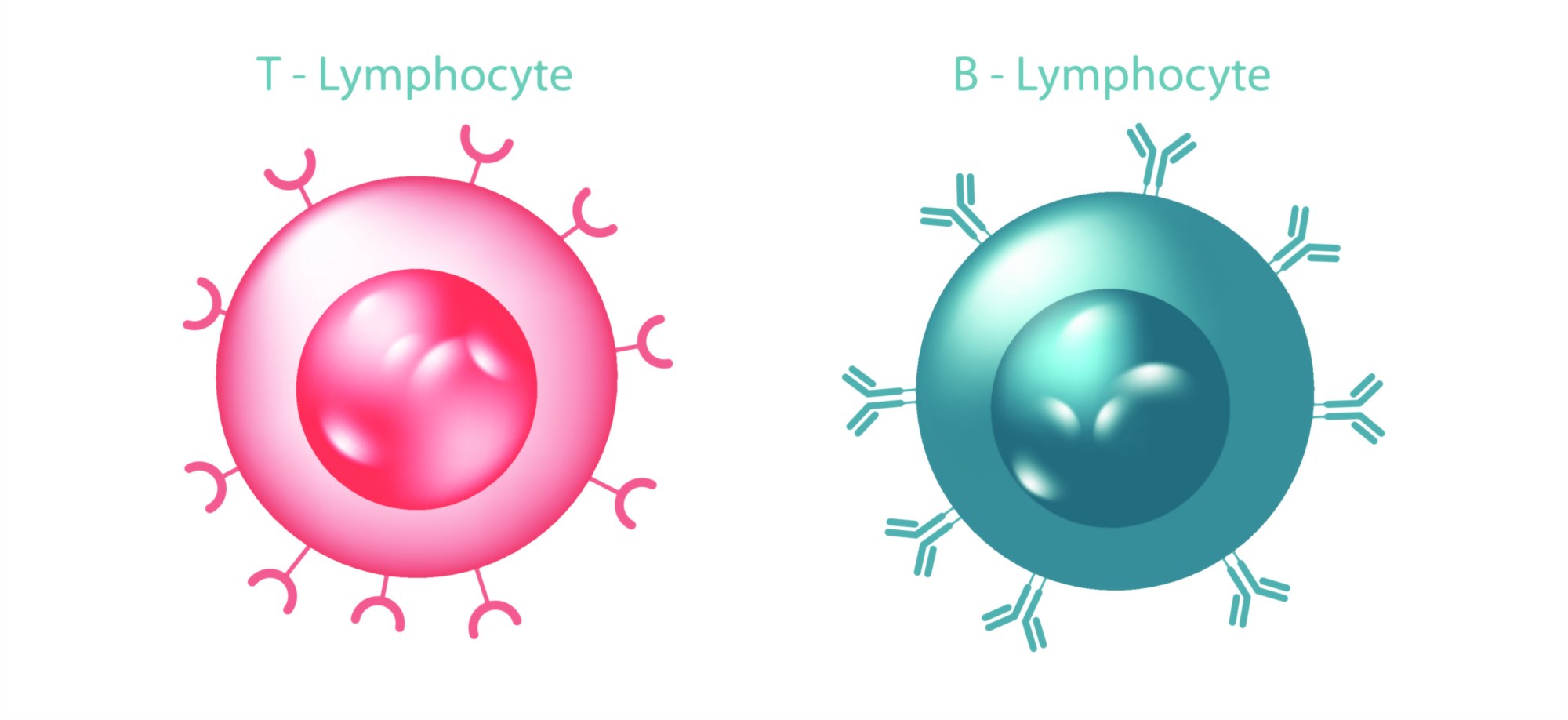
The shape, surface receptors, and internal pathways of these cells play important roles in their behavior. Each receptor acts like a lock designed for a specific key. When the correct key appears, the cell becomes active. These locks prevent random activation and ensure precise action. Controlled activation is essential because unnecessary response can damage tissue. The system uses checkpoints that fine-tune every stage.
The overall structure of this network reveals organization, memory, guidance, and precision. T and B cells form a stable foundation that protects the body against repeated and evolving challenges. Their ability to communicate, transform, and remember ensures a reliable defense. Because they adjust to new forms of harmful entry, they remain central to the adaptive system. Their structure and behavior show how the body uses cooperation to maintain long-term stability.