Multiple Sclerosis — A Comprehensive Exploration of Immune Attack and Neural Degeneration
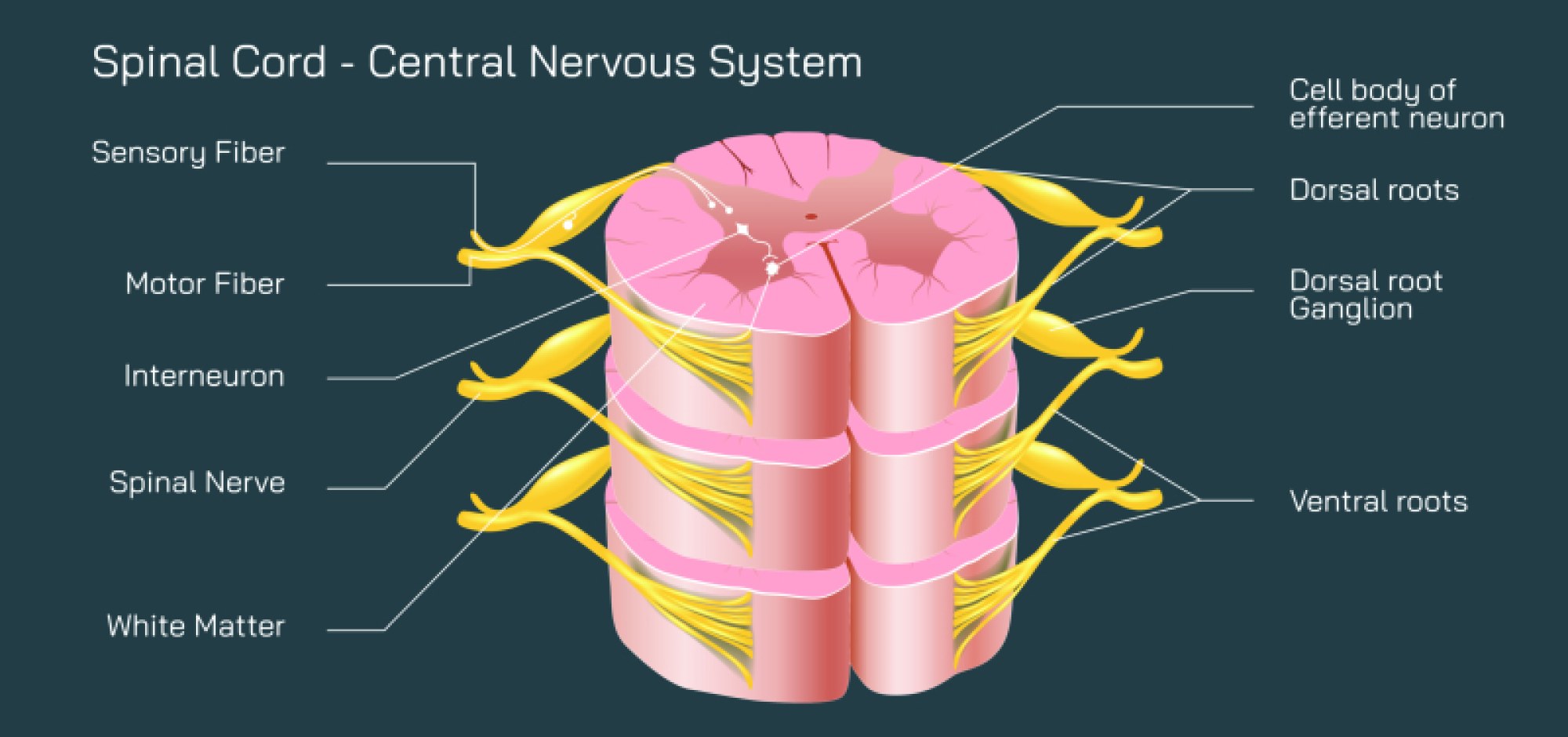
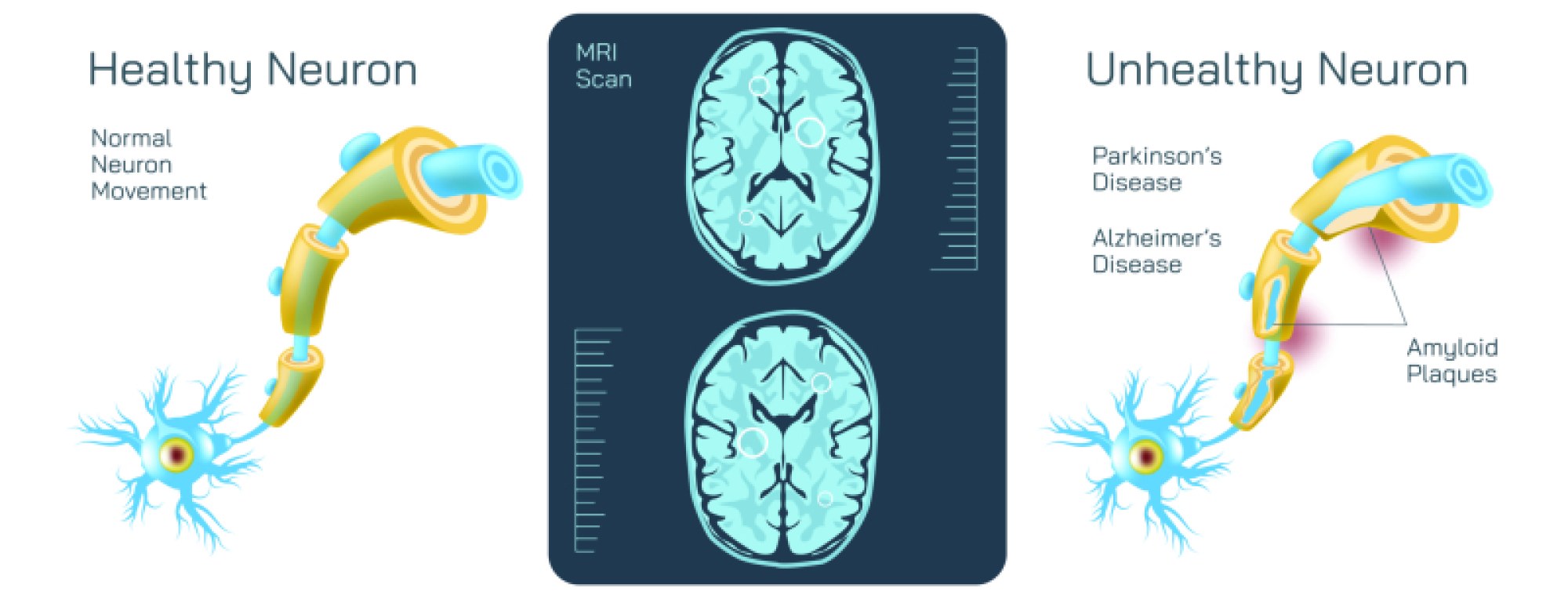
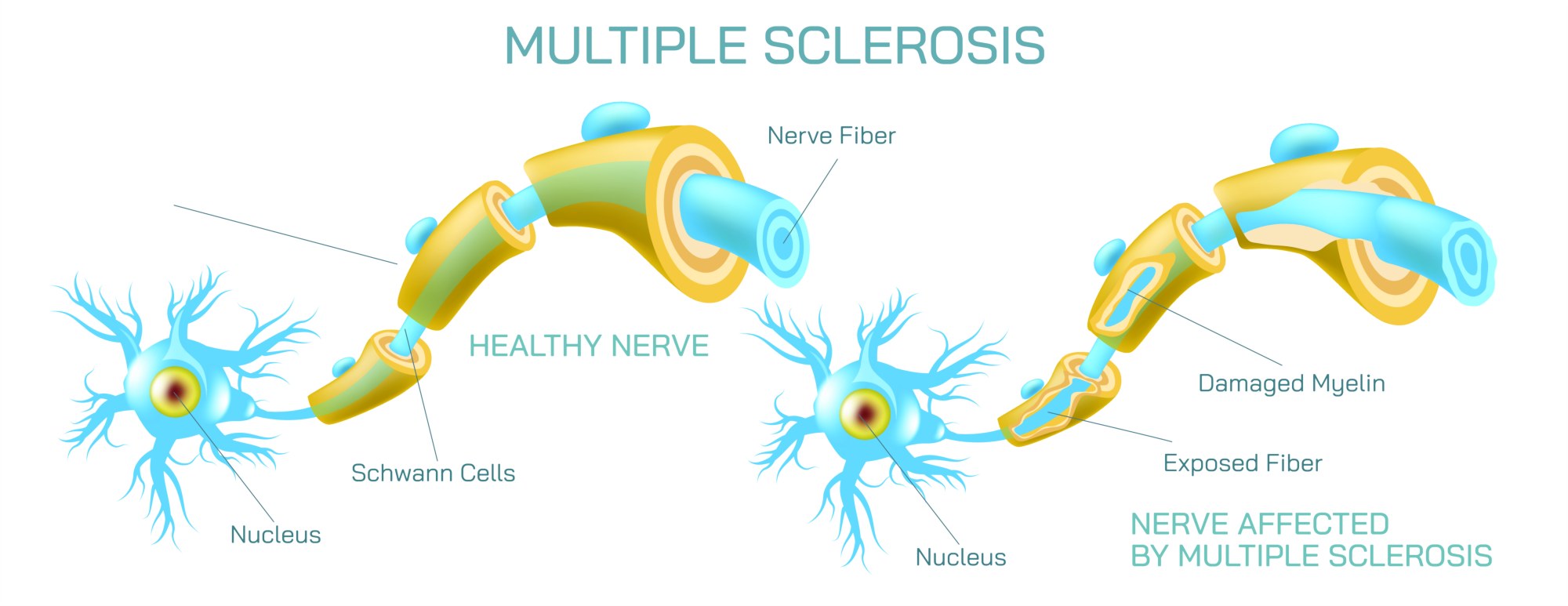
Multiple sclerosis is a complex neurological condition driven by an abnormal immune response targeting protective coverings around nerve fibers. These coverings, called myelin, enable fast electrical movement along pathways that guide communication between different regions of the brain and body. When myelin becomes damaged, signals slow down or break apart, creating irregular patterns in movement, sensation, vision, and coordination. This loss of protective structure also exposes delicate fibers beneath, making them increasingly vulnerable to long-term harm.
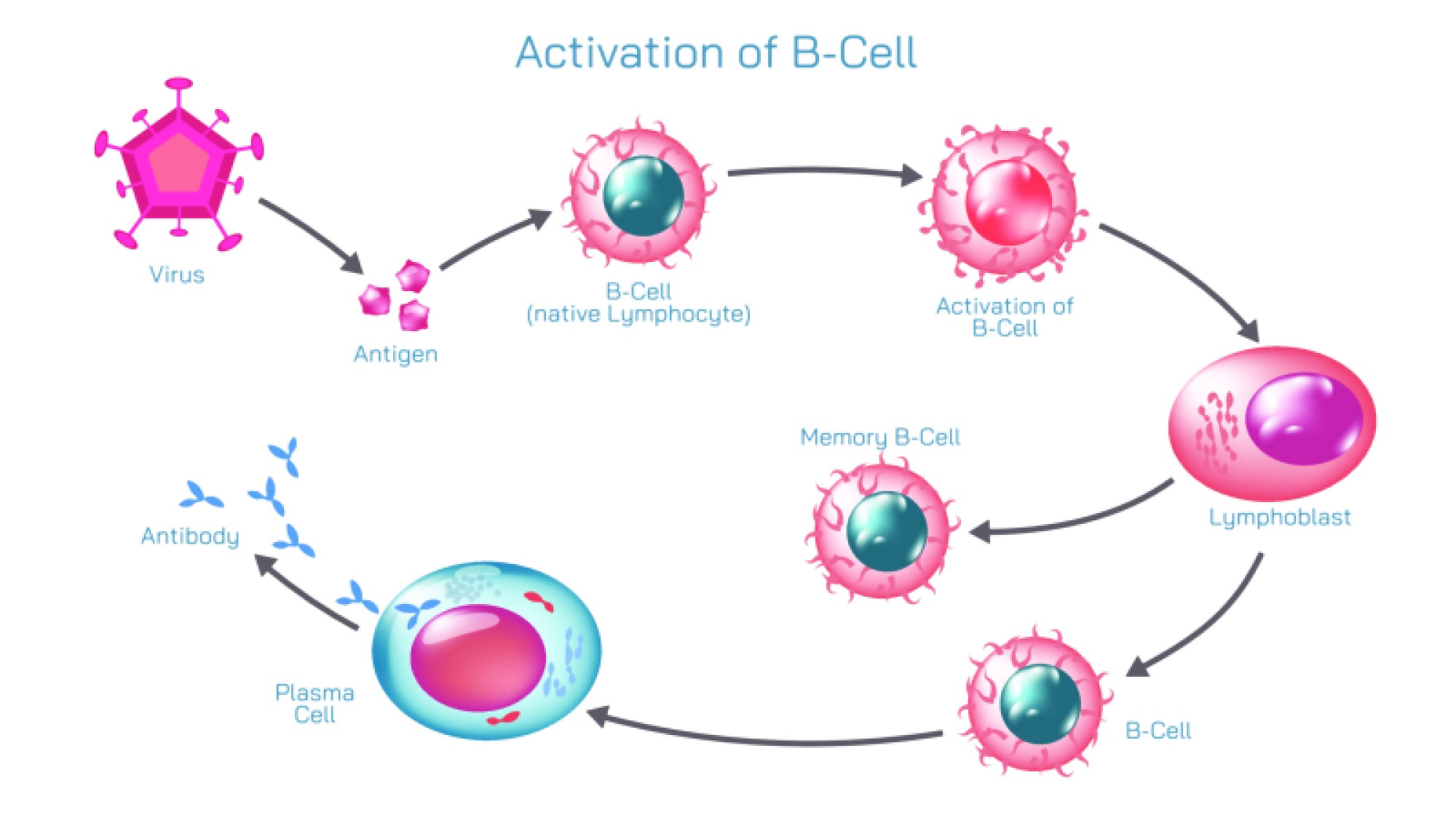
The process underlying this condition involves multiple stages of inflammatory activity. Specialized immune cells mistakenly identify components of nerve coverings as harmful, initiating an attack that creates localized zones of injury known as lesions. These lesions appear across several regions, including areas responsible for balance, limb movement, clarity of sight, and cognitive processing. As these zones evolve, they disrupt the steady communication that normally regulates coordinated movement and bodily awareness. Some areas may heal through partial repair, while others may accumulate damage that becomes permanent.
Although the exact cause remains uncertain, ongoing research identifies several influential factors, such as genetic tendency, environmental exposure, viral triggers, and molecular sensitivity within nerve tissues. Over time, repeated cycles of inflammatory activity can gradually transform the underlying landscape of brain and spinal pathways, changing how signals travel and how different functional centers interact. Patterns of progression vary greatly; some individuals experience periods of calm followed by sudden changes, while others undergo steady long-term decline.
Understanding this condition requires examining how immune behavior, nerve structure, and tissue response intertwine. Insights gained from ongoing scientific studies continue to refine treatment options, aiming to reduce inflammatory episodes, preserve nerve fibers, and improve daily functioning. As knowledge grows, approaches to care increasingly emphasize early detection, long-term protection, and personalized strategies that consider biological variations among individuals.