Pituitary Gland — Central Hormone Regulation, Endocrine Control, and Bodywide Coordination
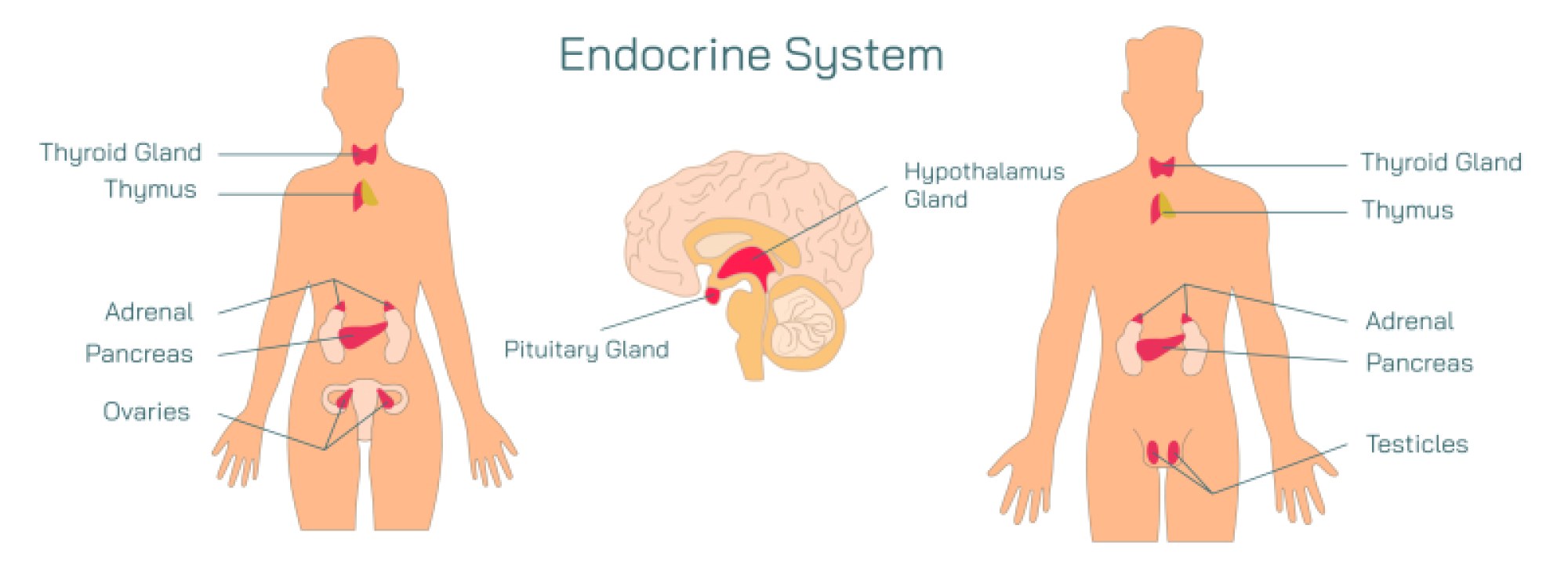
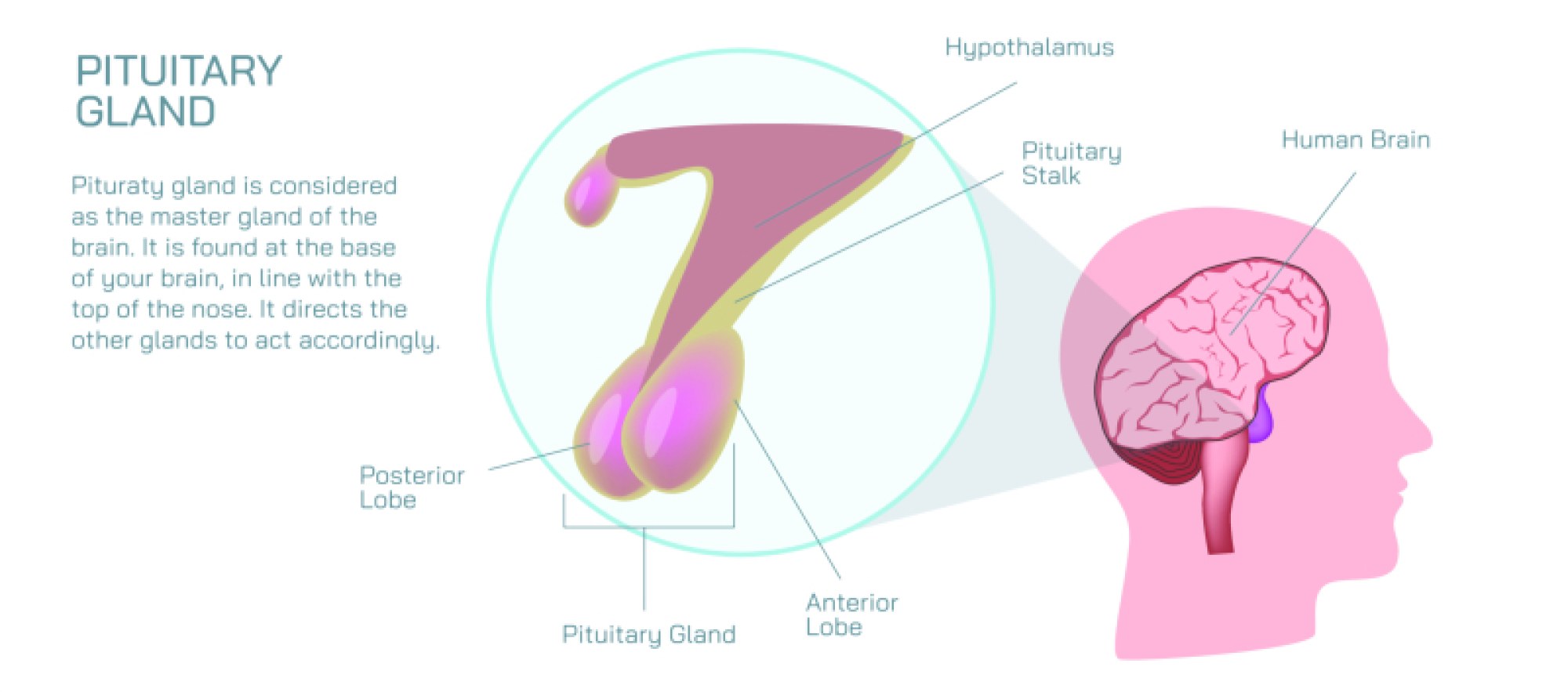
The pituitary gland is a small yet highly influential structure positioned beneath the brain, where it acts as a central regulator for many essential functions. Often referred to as the master organ of the endocrine network, it releases chemical signals that influence growth, metabolism, reproductive behavior, fluid balance, and stress response. Though small in size, its influence reaches nearly every region of the body through controlled release of carefully measured compounds.
This gland contains separate regions that handle distinct tasks. The front region produces substances that influence growth, reproduction, and energy use, while the rear region stores and releases compounds made in deeper brain structures. These combined actions allow the gland to adapt internal conditions based on changing needs, sending targeted instructions that guide activity in distant glands and organs. Through this arrangement, the system maintains overall balance and responds quickly to new demands.
Signals from the brain closely regulate pituitary activity. When internal conditions shift, the brain sends specific cues that cause the gland to increase or decrease its output. This constant communication ensures that levels remain within narrow ranges suitable for proper functioning. Disruptions in this sequence can create widespread effects, since many areas rely on timely guidance from the gland to maintain their own stability.
Understanding the role of the pituitary gland provides insight into how the body coordinates complex tasks through chemical communication. By examining its signal patterns, researchers can identify how changes in one region can influence many others. This perspective also highlights why the gland is central to diagnosing and managing numerous endocrine conditions. Through its interactions with other glands, the pituitary establishes a unified framework that supports growth, regulation, and long-term internal harmony.