Physical Equilibrium — Balanced Conditions, System Stability, and Controlled Interaction Among Forces
Physical equilibrium describes a condition in which all influencing factors produce no net effect on the system. When opposing influences match each other perfectly, the entire setup remains unchanged over time. This stability occurs because every force or moment acting in one direction is countered by another influence of equal size in the opposite direction. As a result, the system neither accelerates nor alters its internal condition, creating a state of complete balance that can be observed across many areas of physical behavior.
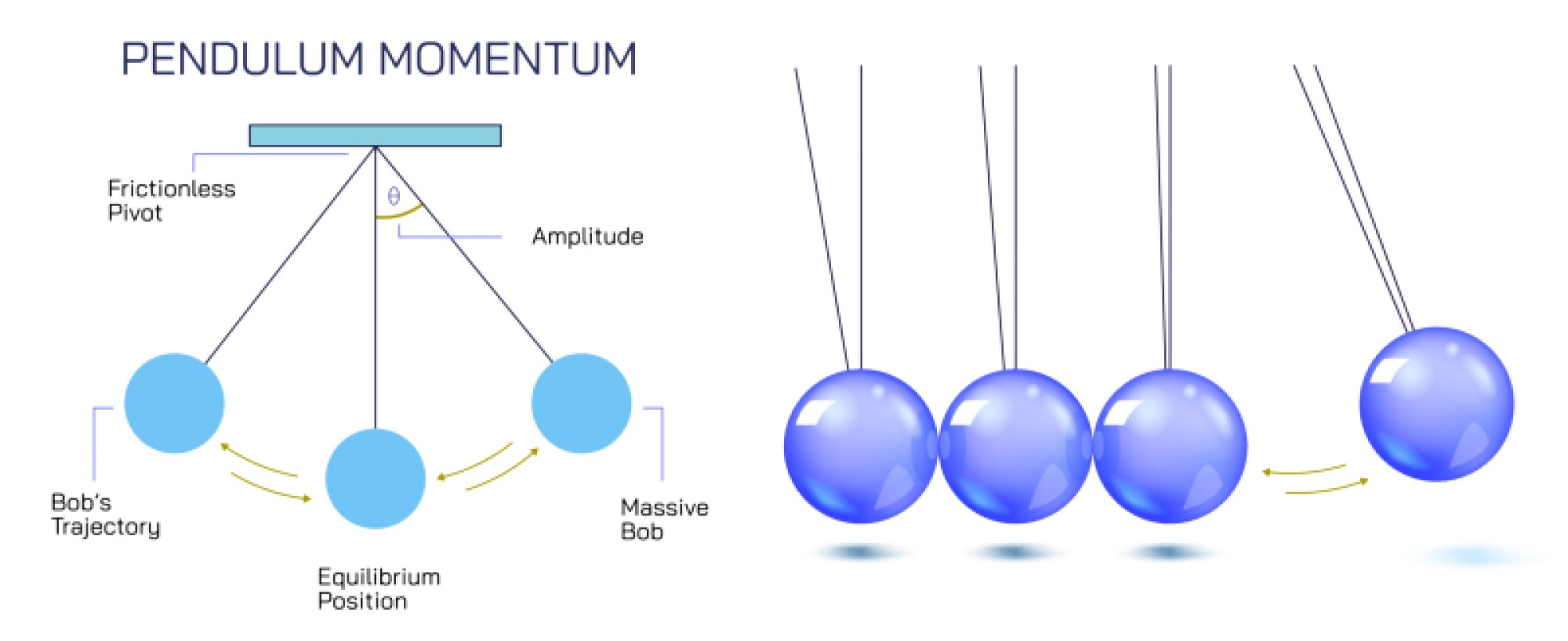
Two major forms of this condition commonly appear in natural and engineered arrangements. In one form, the system stays still because all external influences neutralize each other. This is often seen when objects rest on unmoving surfaces or when suspended structures maintain position without shifting. In the second form, the system moves steadily but without variation. Although motion continues, no accelerating factors act upon it, allowing the pattern to remain uniform over extended periods. These two forms show how equilibrium can support both stillness and smooth continuation, depending on the circumstances.
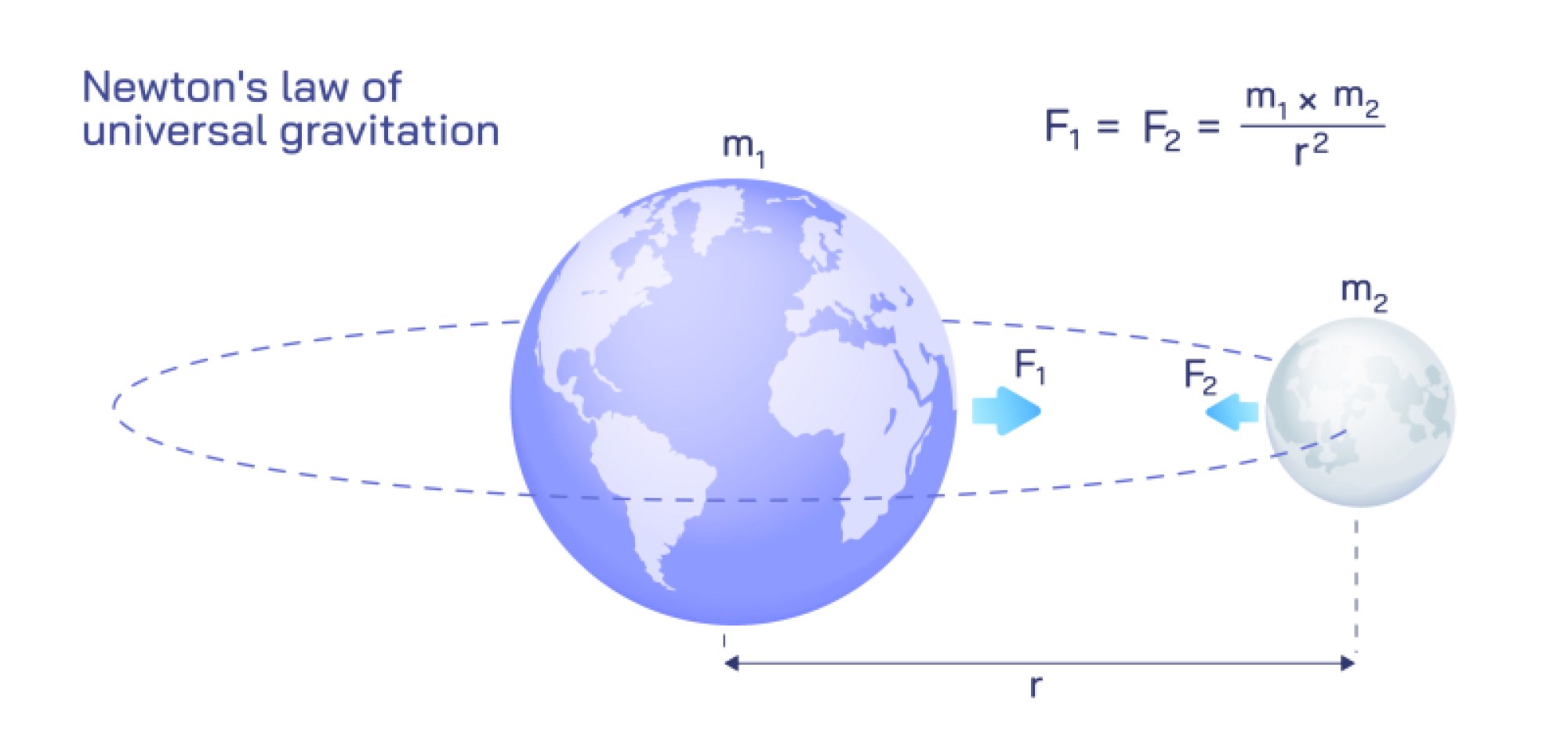
The underlying principle becomes especially important when examining interactions among forces, torques, pressures, and similar effects. By studying how these elements combine, observers can determine whether adjustments are needed to preserve uniformity. Small disturbances may shift the system away from its balanced state, especially if external influences are uneven. Conversely, some arrangements naturally return to balance when disturbed, depending on how internal structure distributes forces. These differences create conditions described as stable, unstable, or neutral forms of equilibrium.
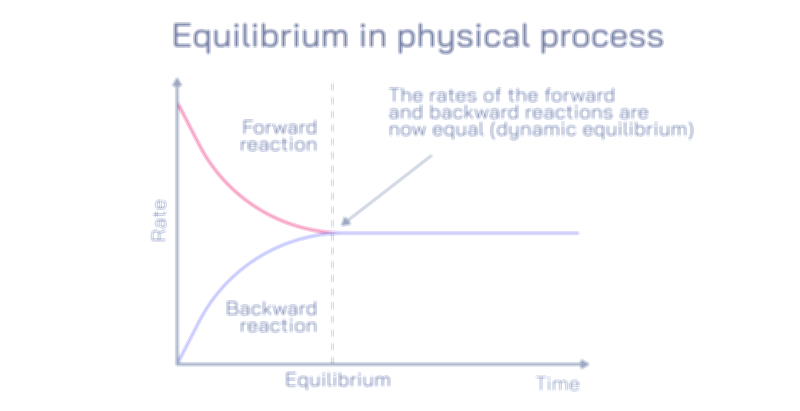
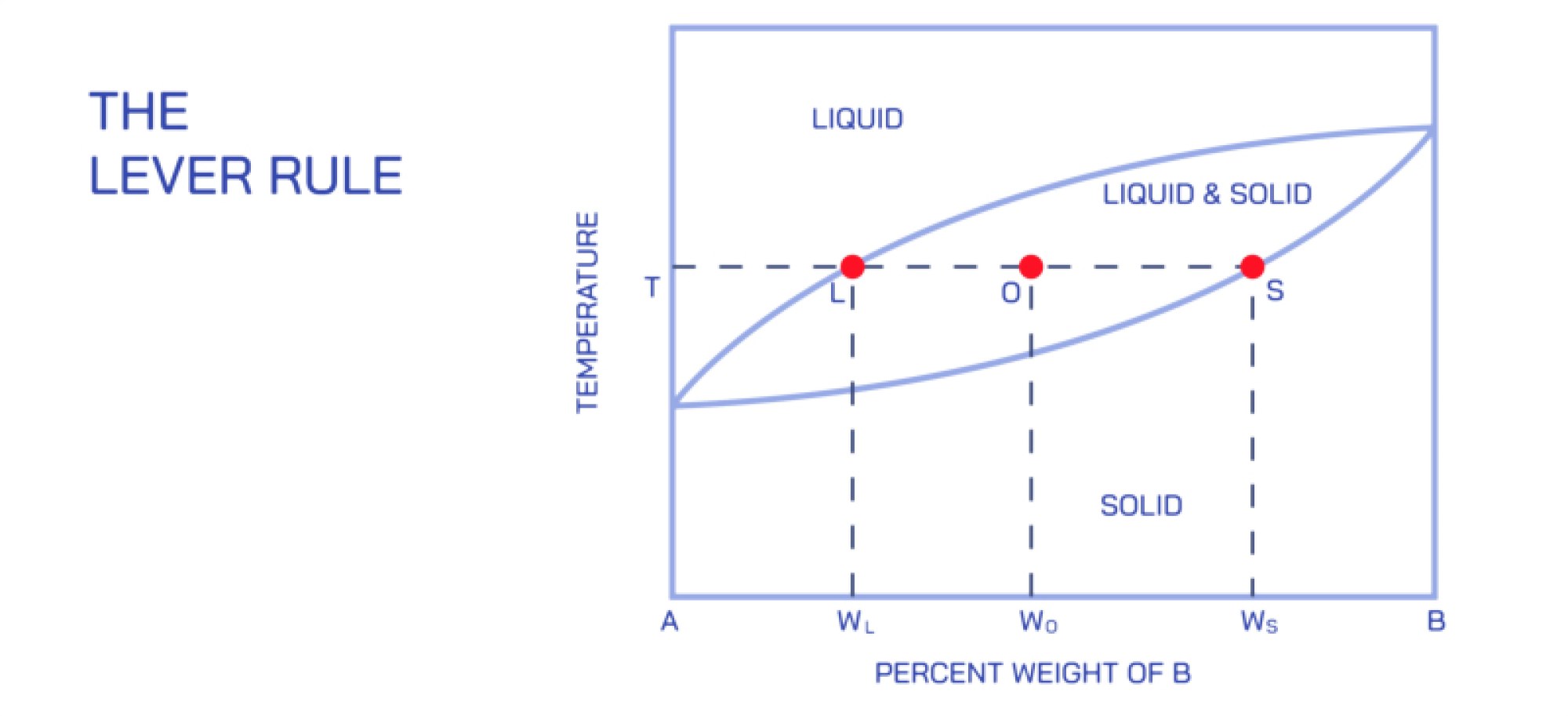
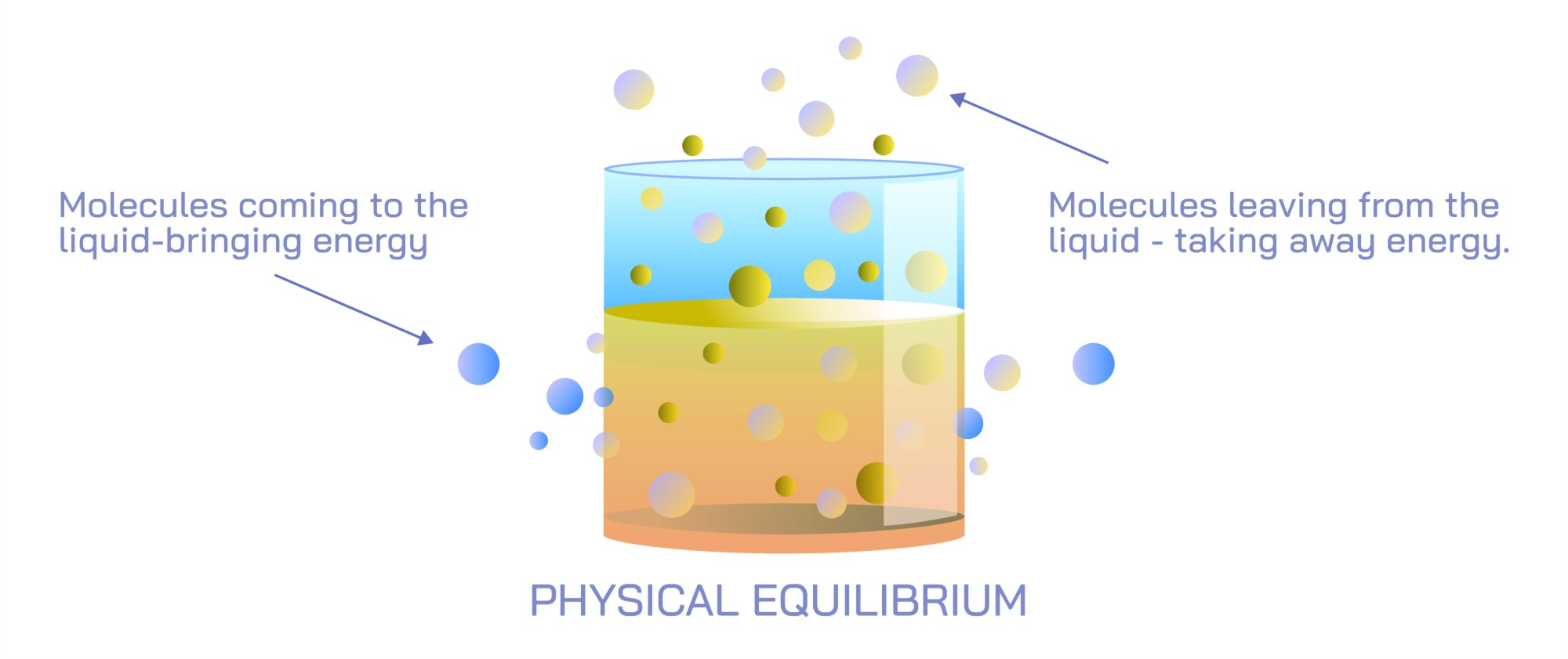
Learning about these interactions helps build a deeper understanding of how systems respond to changes in their environment. Engineers use these ideas to design structures that maintain stability under varying conditions, while scientists apply them to interpret behaviors across mechanical, chemical, and thermodynamic systems. Whether analyzing suspended objects, rotating components, or consistent motion, the concept provides a foundation for explaining why some arrangements remain steady while others shift. Through this framework, learners can explore numerous processes where balanced effects shape predictable and reliable outcomes.