Vitamin B7 Biotin — Roles, Functions, and Biological Importance
Vitamin B7, commonly known as biotin, is a water-soluble nutrient that plays essential roles in daily physiological function. It is widely recognized for its connection to growth maintenance and internal processing of nutrients that allow the body to sustain balanced energy flow. Although often associated with external features such as appearance and surface strength, its core functions extend far deeper into internal pathways that keep biological systems functioning smoothly. Because the human body cannot store large quantities of biotin, consistent dietary intake becomes highly important for maintaining stable physiological support.
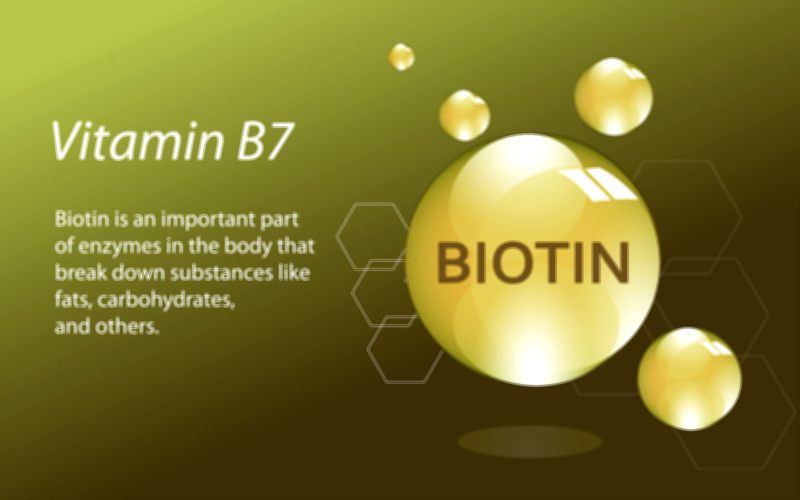
Biotin participates in multiple enzyme-driven pathways. These enzymes help the body process specific molecules obtained from food, enabling smooth conversion into usable energy and structural components. Through these reactions, the nutrient strengthens internal maintenance and ensures that systems dependent on these biochemical steps can continue without interruptions. The smooth progress of these reactions influences how the body utilizes major nutrients and maintains a stable internal environment.
Another important characteristic of this nutrient is its connection to growth and renewal. Internal tissues require constant regeneration, and biotin contributes by facilitating conditions that support biological upkeep. When these maintenance activities are stable, the body experiences improved consistency in daily functioning. Individuals who receive adequate biotin through diet or supplementation often support steady internal activity linked to these renewal processes. Although severe deficiencies are rare, low availability can influence how the body completes certain tasks, especially those dependent on ongoing enzyme support.
Food sources of this nutrient are widespread, appearing naturally in plant and animal items. Proper selection of meals ensures an adequate supply that can sustain long-term needs. Many individuals obtain sufficient amounts through their regular eating patterns, while others may choose to boost their intake through supplements when necessary. Awareness of these sources allows better planning and helps maintain a balanced routine without unwanted fluctuations. Because cooking methods and food quality can influence nutrient presence, mindful preparation contributes to maintaining consistent availability.
Within metabolism, biotin’s functions expand across multiple pathways that influence how the body handles energy. Specific enzymes that rely on biotin contribute to processes that allow the breakdown, transformation, and distribution of molecules needed for daily activity. These pathways not only impact energy but also provide building materials for internal structures. When these reactions function optimally, the body maintains a smoother flow within its system, promoting both efficiency and stability.
In recent years, there has been growing interest in the connection between biotin and external appearance-related aspects. While the nutrient does support certain maintenance activities, its deeper significance lies in biochemical pathways rather than surface-level enhancement alone. The structural consistency it helps develop stems from internal processes rather than isolated cosmetic effects. Thus, understanding the nutrient through a holistic perspective provides a clearer appreciation of its supportive nature across multiple systems.
Biotin also interacts with additional nutrients and internal regulators, forming part of a broader network that sustains the body. When this network works in harmony, functions such as nutrient processing, maintenance activity, and energy regulation can continue without irregularities. This interconnectedness reinforces the idea that no single nutrient works in isolation. Instead, each contributes to an overall pattern that allows the biological environment to function cohesively.
Overall, Vitamin B7 Biotin remains a vital contributor to internal activity that influences various aspects of wellness. Understanding its significance allows individuals to sustain consistent dietary habits and maintain a balanced internal system. Its presence in daily nutrition ensures smoother functioning of important enzyme pathways and fosters the maintenance activities necessary for long-term well-being.