Constructive and Destructive Waves — Energy Behavior and Interaction Patterns Across Physical Systems
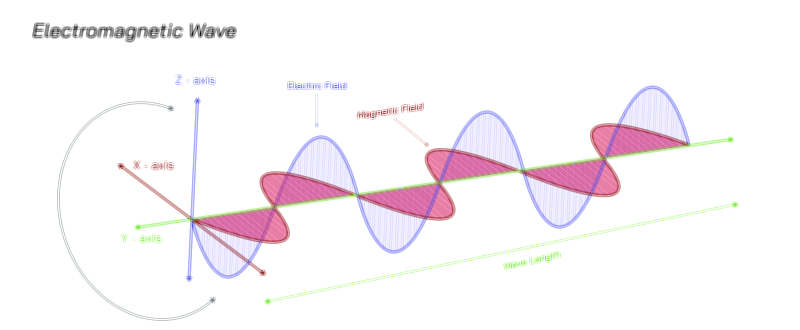
Constructive and destructive waves represent fundamental interaction outcomes found throughout physical systems, including water surfaces, sound transmission, light behavior, and electromagnetic activity. Each wave carries a pattern shaped by phase, rhythm, and energy distribution. When two waves meet, their combined influence determines whether the overall effect strengthens or reduces. These responses form essential features observed in scientific fields, engineering applications, and natural environments.
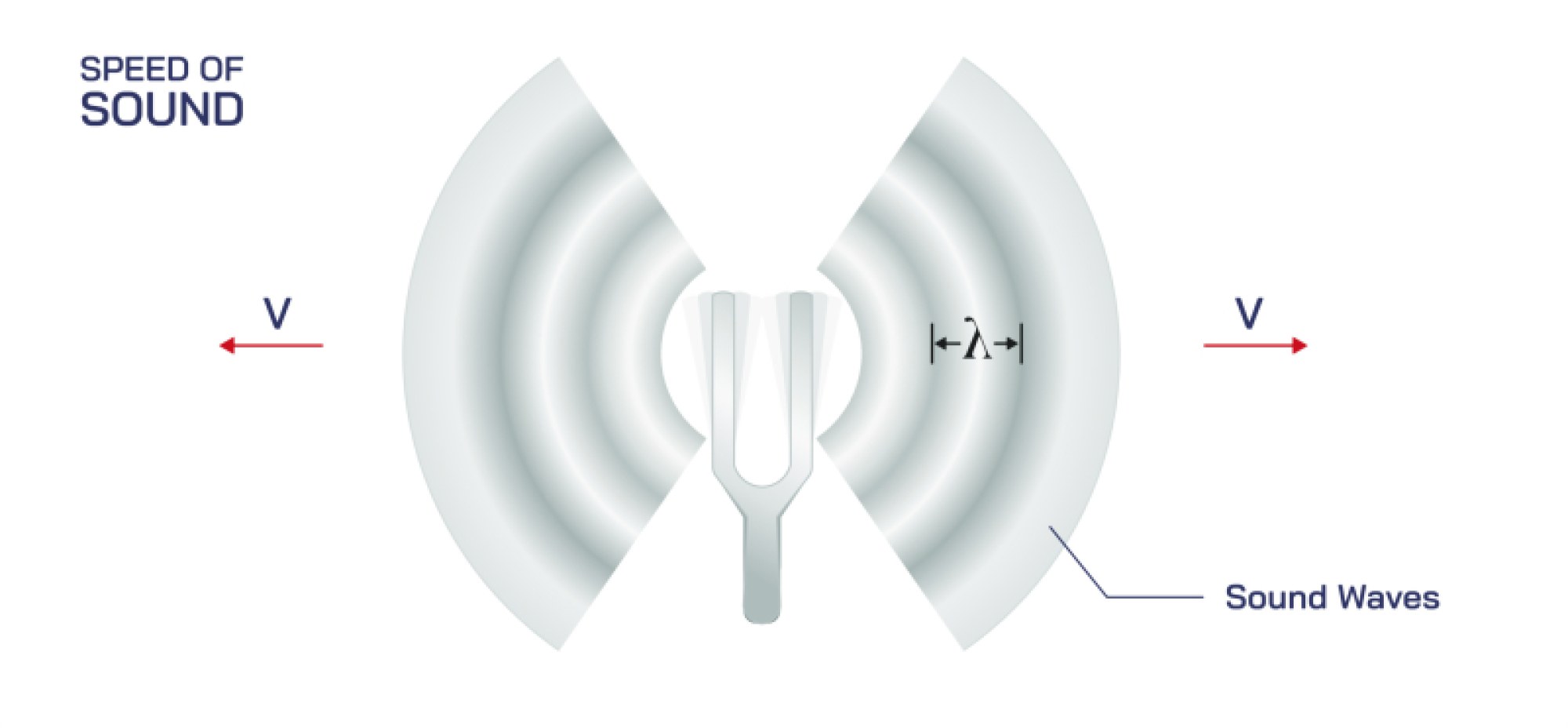
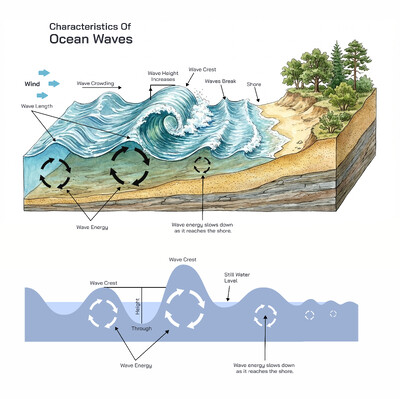
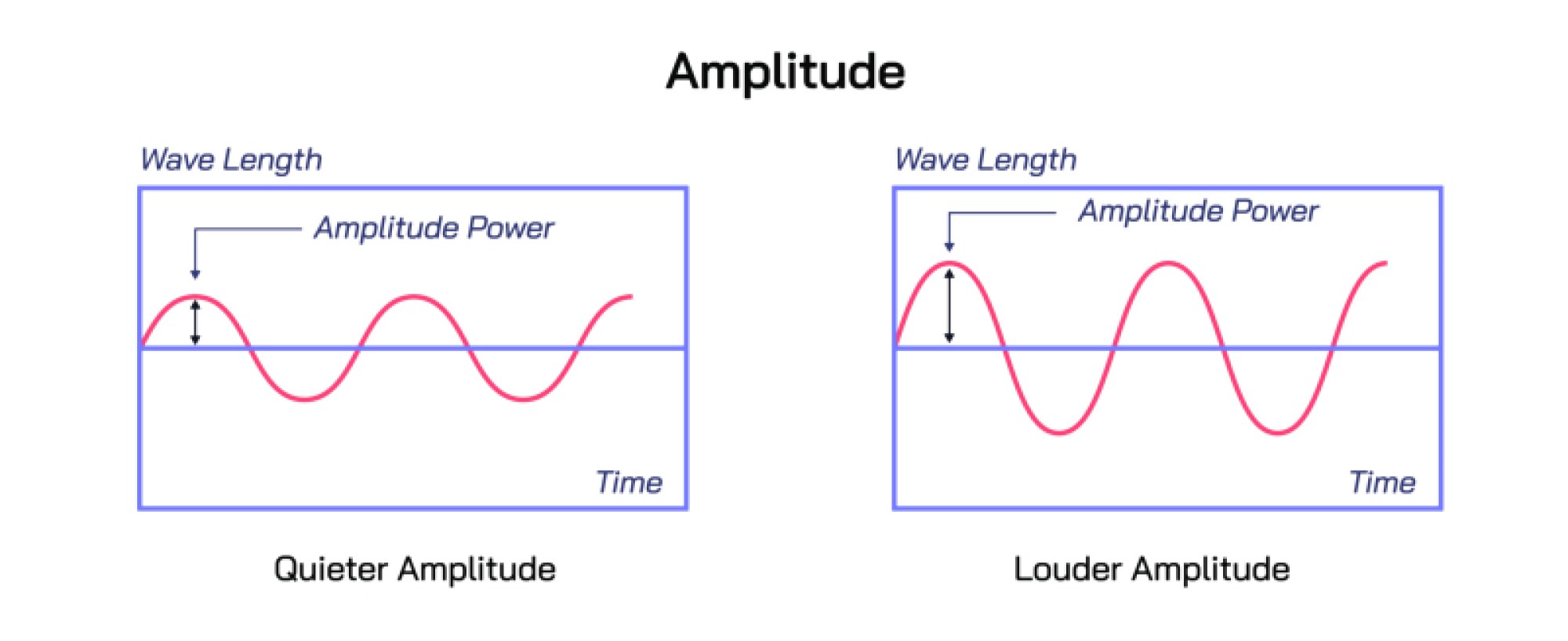
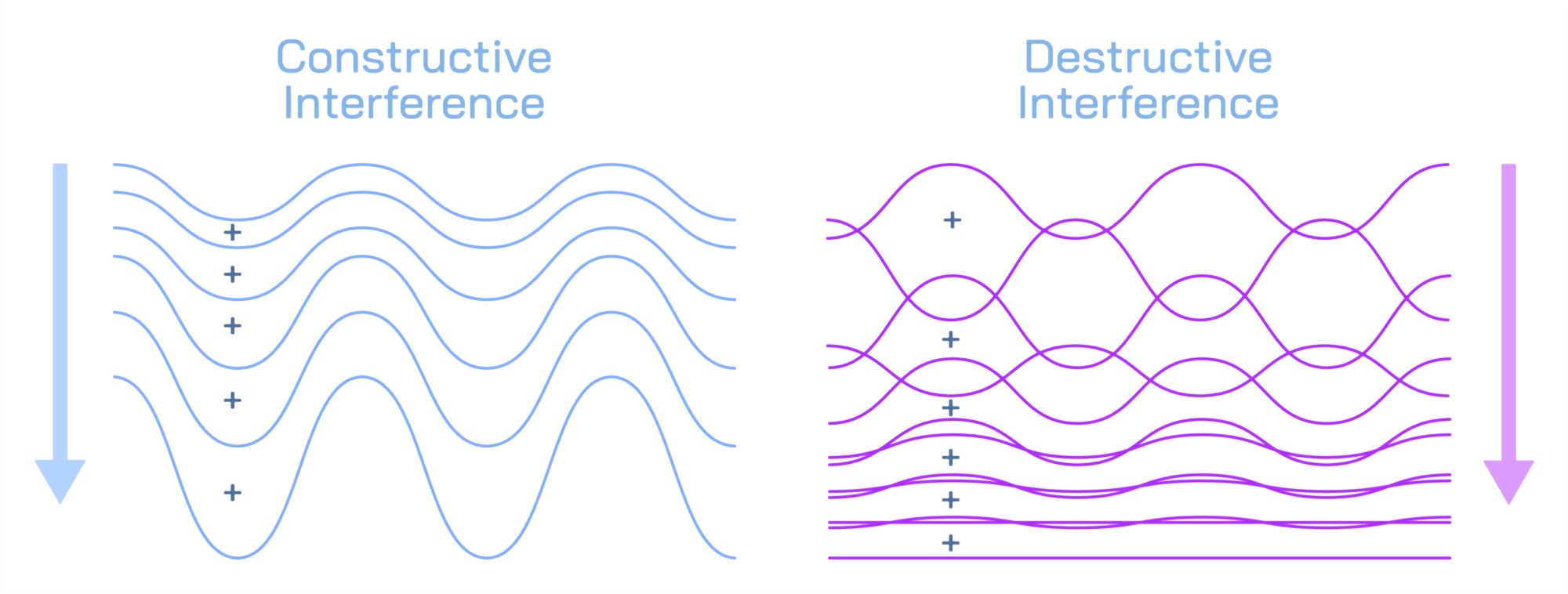
Constructive interaction appears when matching regions of waves meet at the same phase. When crests rise together or troughs lower together, their combined motion creates reinforced movement. In sound systems, this reinforcement produces stronger vibration regions that travel through a medium with intensified pressure. In light activity, matching phase behavior forms luminous points seen in optical patterns. In water systems, aligned crests create larger moving features that carry increased fluid energy across the surface. Such strengthening plays an important role in resonance behavior, communication design, and shaping of natural motion patterns.
Destructive interaction emerges when a crest meets a trough in opposite timing. Their combined influence reduces overall movement, creating a lowering effect that diminishes the resulting pattern. In sound transmission, this reduction creates quieter zones useful in controlled environments. In light activity, opposing phases form darker regions inside interference displays. For water motion, destructive timing flattens moving features, decreasing the height and strength of surface motion. These cancellation effects appear in noise control systems, laboratory experiments, and natural rhythm changes across different environments.
Across all fields, wave interaction depends on the relationship between phase, energy level, medium response, and timing. The balance between constructive and destructive patterns shapes environmental behavior, controls signal strength, governs vibration behavior, and influences visual effects. By understanding how these interactions operate, researchers gain insight into pattern formation, communication technology, structural response, and the behavior of dynamic systems.