Vocal Cord Structure, Vibration Behavior, and Sound Formation
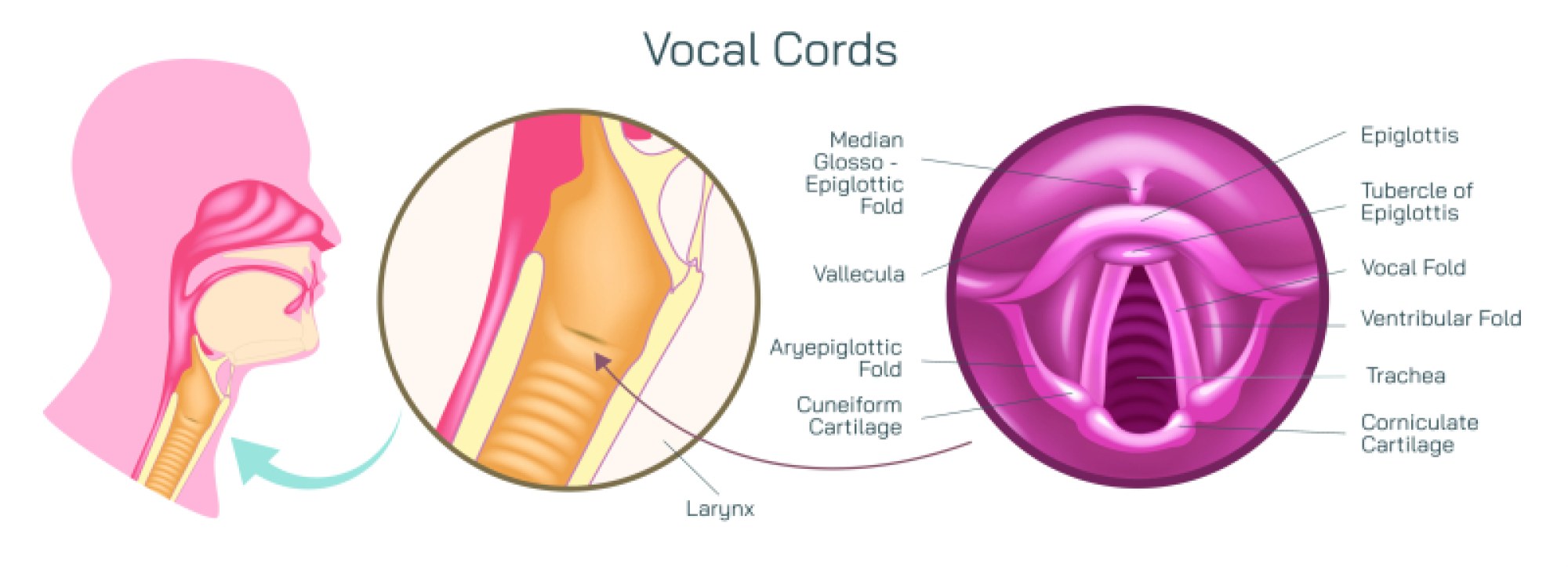
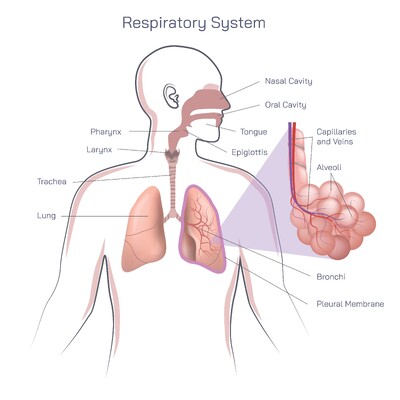
The vocal cords play a central role in the creation of sound, functioning as flexible tissue bands inside the larynx. These bands rest across an adjustable space that changes shape with muscle activity. When air moves upward from the lungs, it passes through this opening and sets the tissue into vibration. These vibrations form the base of the human voice, shaping the foundation for speech, singing, and expressive sound.
During normal function, the cords remain relaxed when no sound is needed, allowing air to pass freely. When sound is produced, the surrounding muscles adjust the tension of the tissue. Increased tension raises pitch, while reduced tension lowers it. Subtle shifts in spacing and muscle guidance refine the tone, creating a wide variety of vocal qualities. This system allows the body to control soft, loud, high, and low sounds with remarkable precision.
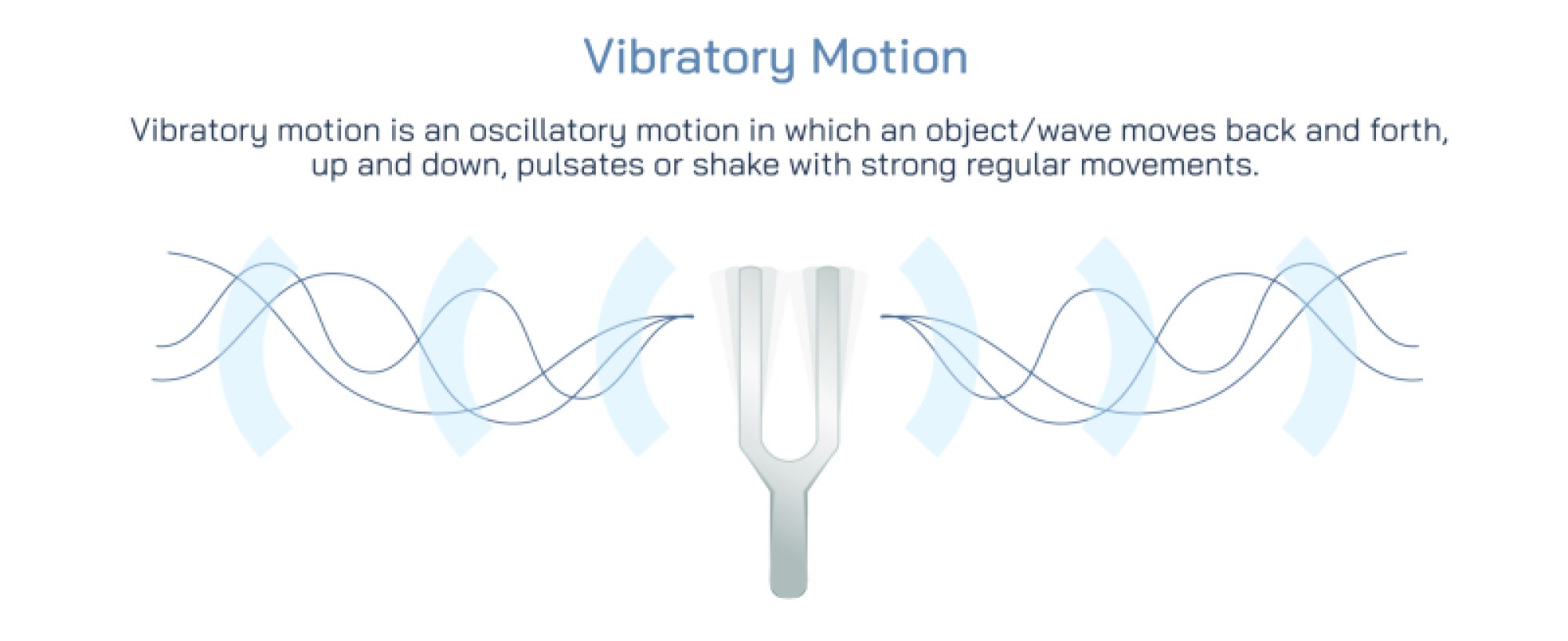
The vibration process depends on the balance between airflow and tissue movement. As air passes through the narrowing between the cords, the tissue edges move rapidly together and apart. This motion creates pulses that form the basic sound wave. These pulses gain complexity as they move through the throat, mouth, and nasal spaces, where resonance shapes the final character of the voice. These resonant passages influence clarity, tone quality, and the unique sound of each individual.
The vocal cords also protect the airway. When swallowing, the tissue moves together to prevent material from entering the lower airway. This protective function ensures that both breathing and speaking remain coordinated. Because the cords serve multiple roles—sound creation, airway protection, and airflow guidance—they require smooth muscle coordination and healthy tissue support.
Understanding how the vocal cords operate highlights the importance of airflow, tissue flexibility, muscle activity, and resonance in creating the full range of human sound.