Dental Appointment Template — Schedule, Patient Information, and Treatment Planning Explained
A dental appointment is far more than a simple visit to check teeth—it is a coordinated and structured process that collects patient information, evaluates oral health history, records present concerns, and develops a treatment plan that fits both medical needs and personal goals. A well-organized dental appointment template brings clarity not only to dentists and clinical teams but also to patients, ensuring that every step of care is planned, executed, and monitored with transparency. The system behind this template connects three core elements: appointment scheduling, detailed patient information, and a structured treatment plan. These parts work together to create continuity from the moment the patient books an appointment to the point where dental treatment is completed and follow-up care is recommended. Rather than treating each appointment as an isolated visit, the template transforms dental care into an ongoing patient-centered roadmap that supports oral health maintenance over time.
The structure begins with the schedule and appointment logistics, forming the administrative backbone of dental care. Scheduling involves not only selecting a date and time but recording the purpose of the visit—routine check-up, tooth pain, cleaning, braces adjustment, whitening, implant consultation, or any specialized treatment. Scheduling also accounts for time allocation in the clinic, ensuring that the patient is booked into an appointment length appropriate for the procedure, because a simple follow-up may require 15 minutes while a complex restorative visit may require over an hour. The scheduling section also captures preferred contact methods—phone, text, or email—for alerts and reminders. Modern dental software often integrates automated appointment reminders to reduce missed visits and ensure continuity of care. Proper scheduling also makes space for emergency cases, enabling clinics to prioritize patients experiencing pain or infection. Whether digital or paper-based, this scheduling portion structures the flow of the entire practice while ensuring that every patient receives scheduled clinical time suitable for their dental needs.
Once the appointment begins, the second part of the template comes into focus—patient information and medical history, which provide the clinical foundation for safe and effective treatment. This section records personal details such as name, age, contact information, and demographic data, but extends deeper into information directly relevant to dental care. Medical history questions investigate systemic diseases such as diabetes, heart disease, hypertension, autoimmune conditions, or bleeding disorders because they influence how the body heals and how oral procedures should be managed. Medication profiles and allergy records play a crucial role since certain medications cause dry mouth or bleeding risk and allergic reactions to anesthetics or latex must be avoided. Past dental history—such as root canals, crowns, extractions, gum disease treatment, orthodontics, and tooth sensitivity—guides future decisions because the best treatment relies on understanding what the patient has experienced previously. Even lifestyle habits are recorded, including smoking, clenching or grinding teeth, and diet patterns that affect cavity risk. All this information allows the dentist to tailor treatment to the patient’s individual health condition rather than applying a one-size-fits-all model.
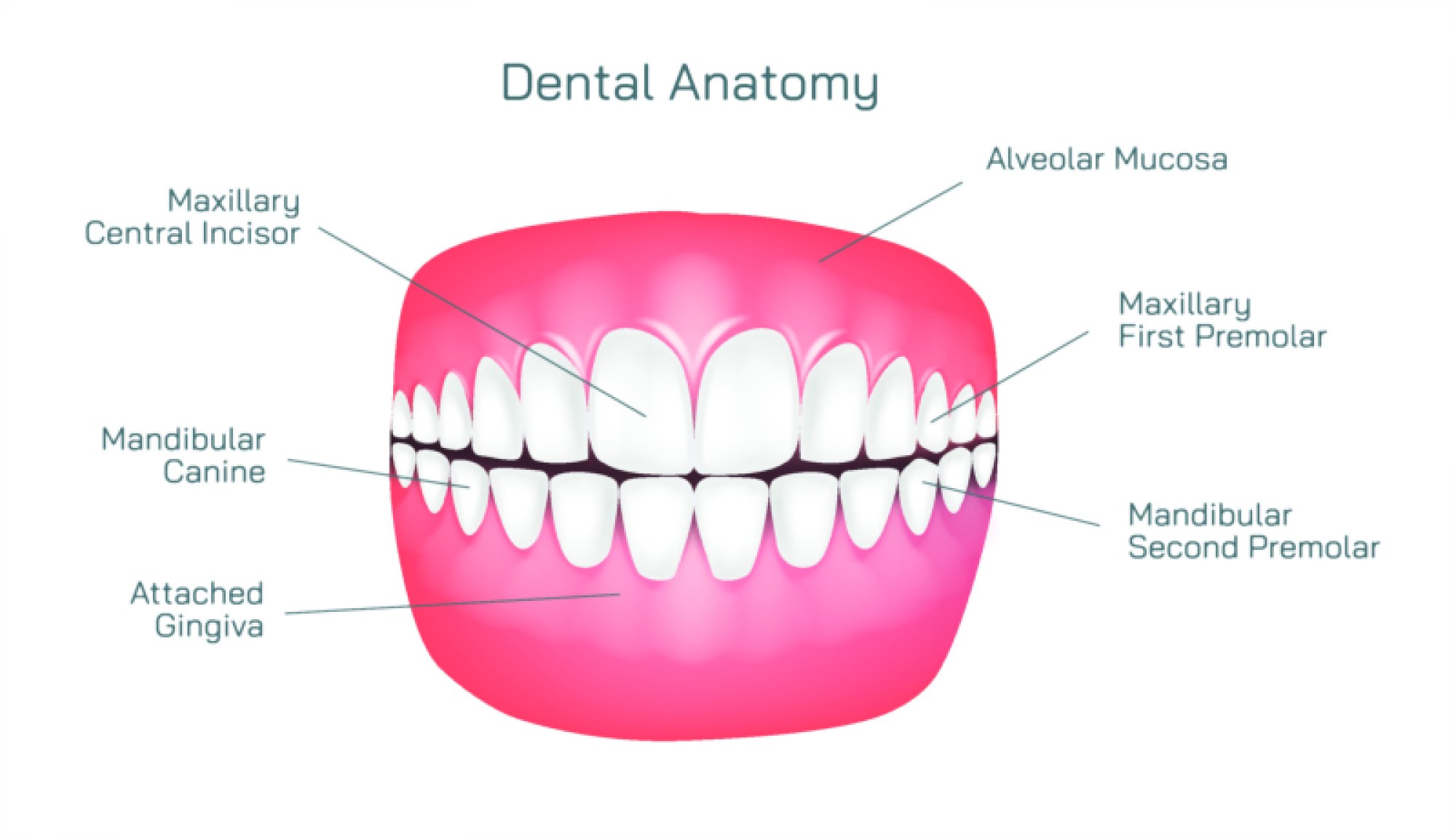
The information collected transitions naturally into the patient examination and diagnosis component, where the clinician records findings from physical inspection and diagnostic tests. During intraoral and extraoral examination, the clinician evaluates teeth, gums, tongue, cheeks, palate, jaw joints, and bite alignment. Plaque buildup, gum bleeding, pocket depth, enamel wear, jaw clicking, and shade variations are documented. Radiographs, if required, provide insight into hidden structures such as roots, bone level, decay beneath fillings, infections, fractures, and impacted teeth. Diagnostic findings are entered systematically into the template so nothing is overlooked. Digital photographs may also be attached to track cosmetic and structural changes over time. The documentation here supports accurate diagnosis, allows comparison at future appointments, and helps create visual explanations for the patient, improving understanding and treatment acceptance.
After examination, the appointment moves into its most meaningful phase—treatment planning, which transforms clinical data into a structured pathway of care. A complete treatment plan identifies both the immediate needs and long-term goals of the patient. Immediate needs may include problems requiring urgent attention, such as cavities, infection, fractured teeth, gum inflammation, or severe pain. The plan also considers preventive steps such as cleanings, fluoride therapy, diet counseling, and oral hygiene instruction to stop disease progression. Long-term planning includes restorative and cosmetic goals like fillings, crowns, dental implants, teeth whitening, veneers, braces, or aligners. Each procedure in the plan is prioritized based on urgency, health benefit, esthetics, and patient preference. The dentist explains the reasoning behind each recommendation, along with risks, benefits, costs, possible alternatives, and expected timeframes. Transparency builds trust, and the template ensures that the treatment plan is not simply verbal but recorded and accessible to the patient and clinic alike.
Financial transparency forms another meaningful layer of the template, because oral health decisions are influenced by budgeting just as they are by diagnosis. The cost estimate and insurance coverage section breaks down the treatment plan into itemized procedures and lists estimated fees, insurance coverage percentages, out-of-pocket payment expectations, and payment scheduling if needed. Patients can better commit to a plan when they understand financial details upfront. For complex cases, the template may also include multiple treatment phases distributed across different visits or months, allowing the patient to manage time and budget without compromising health. By combining clinical and financial clarity, the template helps prevent treatment delays caused by uncertainty or unexpected expenses.
With treatment planned and agreed upon, the template concludes with the follow-up and recall scheduling section, which maintains continuity of care beyond the current appointment. Even after a procedure is completed, the mouth continues to undergo biological change that requires long-term attention. The template records the next required visit—whether for the next phase of treatment, a short-term post-operative check, suture removal, prosthetic review, orthodontic tightening, or a preventive cleaning six months later. Recall reminders are recorded to ensure that patients with high risk of cavities or gum disease receive more frequent monitoring than those with low risk. This system builds predictable long-term care instead of sporadic treatment based on crisis.
A well-structured dental appointment template is therefore much more than a scheduling sheet—it is a clinical roadmap, a communication tool, and a record of continuity that protects both patient and practitioner. For patients, it ensures that dental care is clear, monitored, predictable, and personalized. For clinicians, it allows seamless tracking of medical data, procedures, and decisions over time, reducing the chance of oversights and enhancing the quality of care. The template transforms dental care into a guided partnership in which problems are identified early, treatments are planned thoughtfully, and oral health becomes an ongoing collaboration rather than a temporary fix. When all three components—scheduling, patient information, and treatment planning—work together, the dental appointment becomes not just a visit to fix a problem, but a structured pathway to maintaining lifelong oral wellness.