Teeth Whitening Formula — Step-by-Step Process from Yellow to White Explained
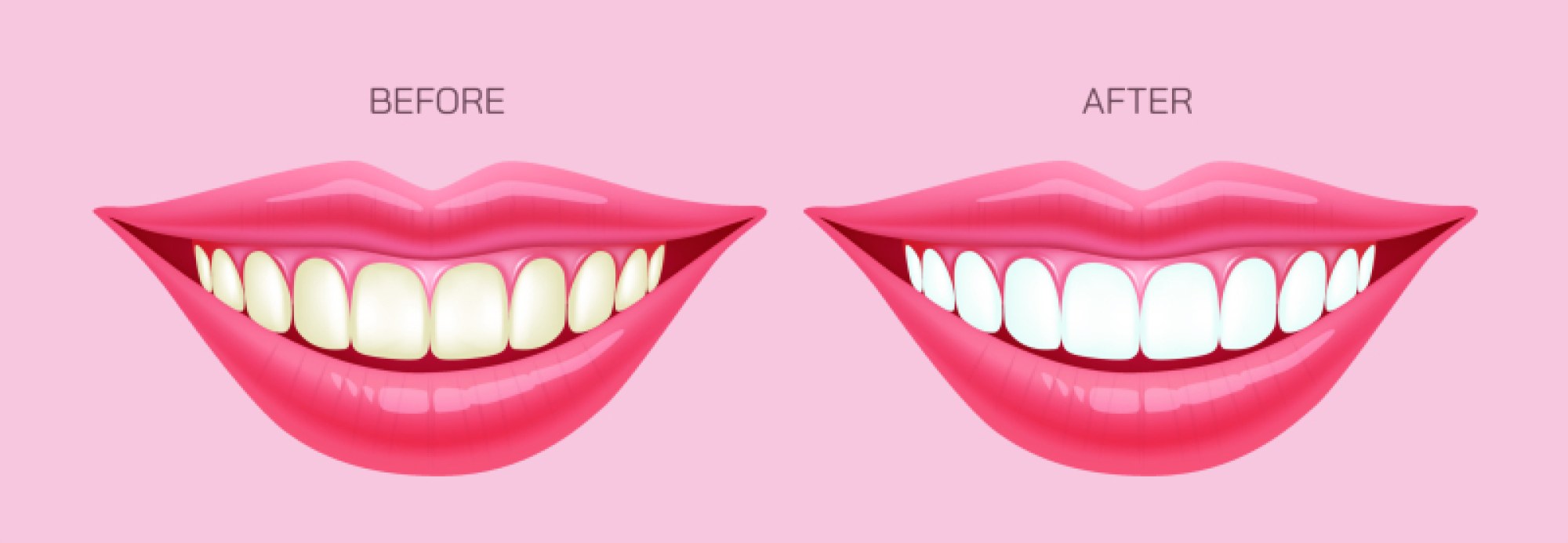
Teeth whitening is a cosmetic process that aims to restore the natural brightness of teeth by reducing discoloration and surface stains, yet the journey from yellow to white is far more complex than simply applying a whitening product and waiting for results. Tooth discoloration arises from years of exposure to staining foods, beverages, tobacco, plaque buildup, enamel thinning, and internal factors such as age-related dentin darkening. Because yellowing develops gradually, reversing it requires a systematic process that cleans, restores, and protects the tooth surface rather than simply masking stains temporarily. A true whitening formula works by targeting two different layers: the exterior enamel surface, where stains accumulate from color pigments and incorrect oral habits, and the deeper dentin layer, where chromophores cause intrinsic discoloration. The step-by-step whitening process must therefore begin with preparation and detoxification of the mouth, proceed to controlled bleaching or stain removal, and end with remineralization and enamel strengthening to preserve long-term whitening effects. The goal of whitening is not only cosmetic improvement but also restoration of a clean and healthy enamel surface that resists new stains and maintains structural integrity.
The first stage of the whitening journey involves assessment and preparation, because whitening cannot be effective unless the surface of the tooth is clean and free of biofilm. Plaque, tartar, and bacterial coatings block whitening agents from reaching the enamel, preventing uniform results and increasing the risk of sensitivity. Professional cleanings or home-care routines using antibacterial toothpaste, interdental flossing, and mouth rinses help remove this barrier and reveal the true base shade of the teeth. At this stage, an evaluation of the enamel condition matters because weakened enamel, exposed dentin, untreated cavities, or gum disease can make whitening uncomfortable or unsuitable until underlying issues are addressed. Preparation may involve switching to low-abrasive toothpaste, using fluoride to protect enamel, and treating sensitivity to create a safe foundation for whitening. The whitening process is most effective when teeth are in a healthy state rather than struggling against inflammation or erosion.
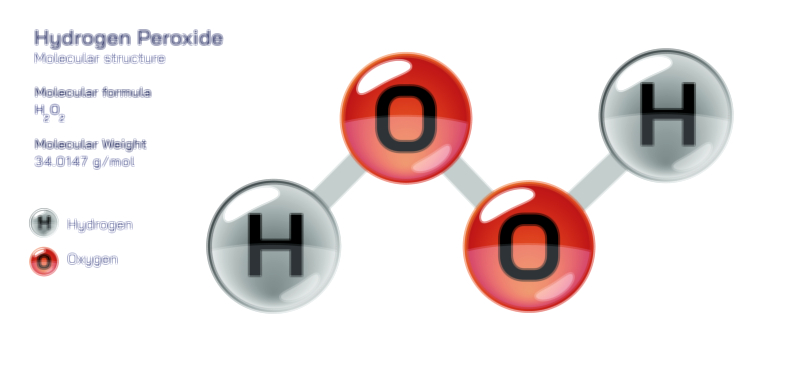
Once the teeth are prepared, the active whitening stage begins, where ingredients specifically designed to break apart stains enter the picture. The most widely researched and effective whitening agents are hydrogen peroxide and carbamide peroxide, both of which work by releasing oxygen molecules that penetrate microscopic pores in enamel and dissolve deeply trapped pigments. These bleaching molecules do not harm enamel when used properly because they target stain compounds rather than tooth minerals. However, they require controlled concentration and exposure time. Over-the-counter whitening strips and gels usually range from mild to moderate strength and lighten teeth gradually, while professional treatments use higher concentrations and produce faster, more dramatic results under controlled conditions. During whitening, pigmentation molecules in enamel are chemically fragmented into smaller, colorless compounds that reflect less yellow light. As the enamel surface becomes clearer and the dentin layer appears brighter underneath, the visible shade shifts from yellow toward white.
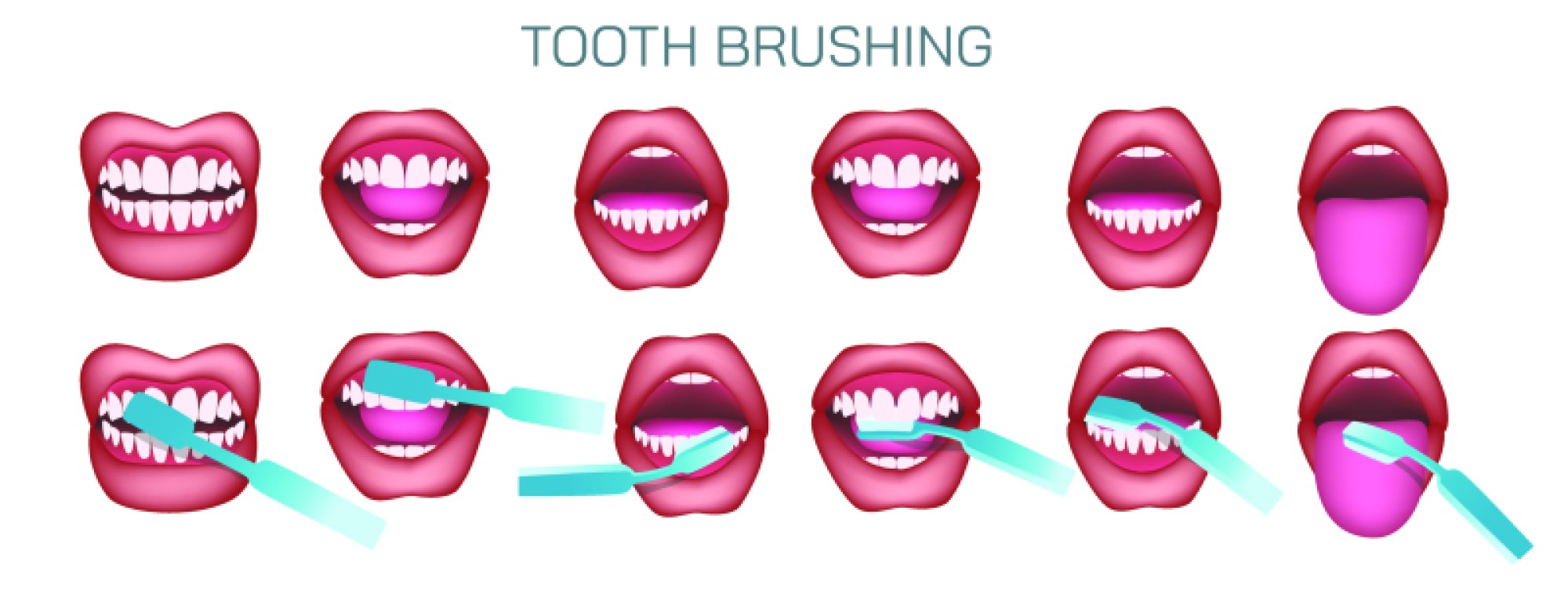
Supporting this chemical whitening action is the mechanical stain removal process, which helps lift surface discoloration and prevents plaque from re-adhering. Whitening toothpastes use gentle abrasives to polish stains away rather than bleach them chemically. Although they do not change the deeper internal color of teeth, they are valuable in the whitening routine because they prevent new stains from building up during bleaching. Similarly, polishing tools used in professional dentistry buff away stubborn external stains caused by smoking or excessive coffee, tea, or wine consumption. The combination of mechanical stain removal and chemical bleaching yields the most even, consistent whitening effect, ensuring that both surface debris and deeper pigment molecules are addressed.
During whitening, the mouth undergoes a temporary physiological shift. Whitening agents open microscopic enamel pores to allow bleaching molecules to enter, which is why sensitivity sometimes occurs during treatment. If enamel minerals become temporarily depleted, it can cause cold sensitivity or tingling. For this reason, the whitening process is incomplete without remineralization and enamel strengthening, which closes the pores and restores the mineral matrix. Ingredients such as fluoride, calcium phosphate, nano-hydroxyapatite, and potassium nitrate play a crucial role at this stage. They rebuild crystal structures in enamel, calm the nerves of the teeth, and fortify the surface to resist future staining. Remineralization also improves glossiness and translucency, giving whitened teeth a radiant appearance rather than a chalky or dehydrated look. Skipping this step can lead to results that fade quickly and sensitivity that persists, making remineralizing products an essential part of whitening rather than optional.
The final stage of the whitening journey is maintenance and stain prevention, the phase that ensures the transformation from yellow to white is not temporary. Enamel becomes smoother and more stain-resistant when it is properly hydrated and mineralized, but lifestyle factors still determine how long the results last. Dark-colored beverages, tobacco, acidic foods, and improper oral hygiene reintroduce pigments that can darken enamel again. Maintenance includes strategic habits such as rinsing after consuming stain-causing foods, drinking dark beverages through a straw to minimize contact, brushing twice daily with non-abrasive whitening toothpaste, and using touch-up whitening strips or gel as recommended. Professional whitening typically requires maintenance every 6–12 months, while home-whitening systems may require shorter intervals depending on diet and oral hygiene. This maintenance phase marks the difference between short-term cosmetic whitening and lasting whitening that maintains a healthy, confident smile long after the initial treatment.
Throughout the whitening journey, individual variability plays a major role in determining speed and final outcome. Genetics influence natural enamel thickness, translucency, and dentin color, which means two people using the same whitening formula may experience different shades of final brightness. Age affects the deep color of dentin; older dentin naturally becomes darker and yellower, requiring more gradual whitening. Lifestyle habits such as smoking and frequent consumption of colored beverages accelerate staining, while high acidity weakens enamel and increases the risk of discoloration. The more a whitening plan accounts for these factors, the more reliable and safe the results.
Teeth whitening is therefore not simply an aesthetic upgrade—it is a carefully structured biological process. Preparation cleans the enamel and removes barriers. Chemical bleaching and mechanical stain removal dissolve pigments from the inside out. Remineralization strengthens the tooth surface and protects long-term health. Maintenance preserves the result and prevents relapse. These layers of treatment together create the transition from yellow to white not as a temporary illusion but as a durable improvement in tooth color and enamel quality. When done correctly, whitening becomes a transformation that supports both confidence and oral health, demonstrating how cosmetic science and biology work hand in hand to refine the appearance and strength of the natural smile.