Protection of Teeth and Achieving a Healthy Smile — Oral Care and Hygiene Explained
A healthy smile is more than a matter of appearance; it reflects the internal health, balance, and resilience of the entire mouth. Teeth are not simply tools for chewing — they influence speech, facial aesthetics, confidence, digestion, and even systemic health. Protecting teeth and sustaining a bright, healthy smile requires a comprehensive approach that goes beyond occasional brushing or dental visits. It involves understanding how plaque forms, how enamel and gums respond to daily habits, and how lifestyle, diet, hygiene, and preventive dentistry combine to create long-term oral health. The journey toward a healthy smile is not defined by a single product or treatment but by a consistent system of protective habits and awareness that strengthens teeth, preserves gum integrity, and prevents disease long before problems become painful or expensive to fix. A strong oral care routine shields teeth from decay, gums from inflammation, enamel from erosion, and the smile from staining — forming a lifelong foundation for a clean mouth and confident expression.
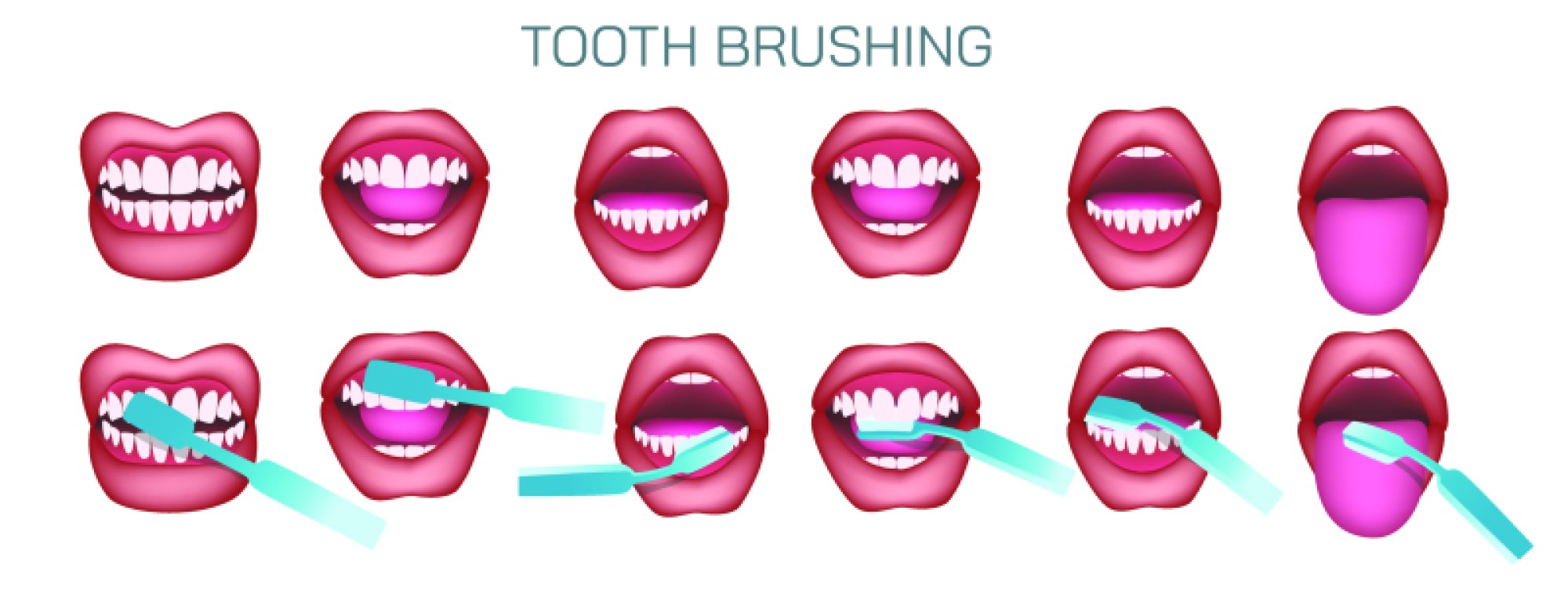
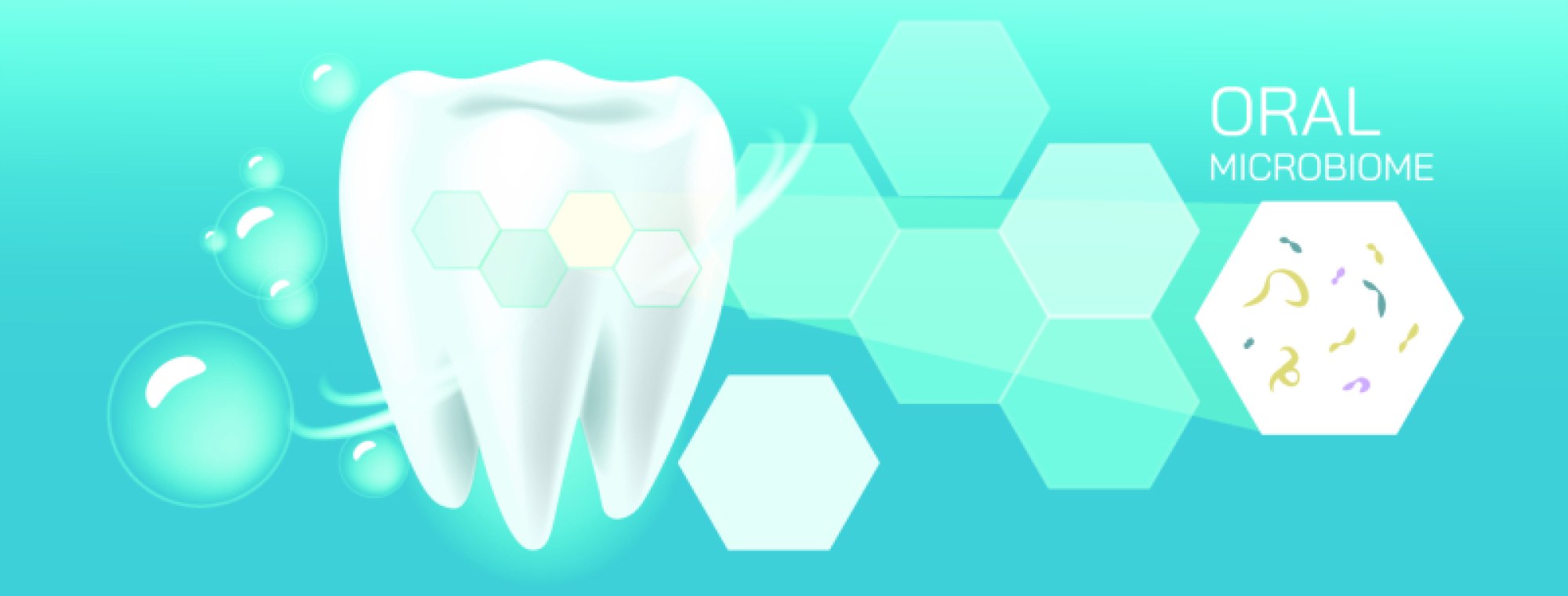
The first pillar of protecting teeth is maintaining effective daily oral hygiene, because plaque — an invisible, sticky layer of bacteria — constantly forms on tooth surfaces and along the gumline. If plaque is not removed thoroughly every day, it transforms sugars into acids that dissolve enamel and irritate the gums. Brushing twice daily with proper technique removes plaque before it matures into tartar, while fluoride toothpaste strengthens enamel by replenishing lost minerals. However, brushing alone does not fully protect the mouth; flossing is essential because nearly one-third of tooth surfaces lie between teeth where bristles cannot reach. Interdental cleaning prevents hidden decay and gum irritation, areas where disease often begins without noticeable warning signs. Mouthwash can enhance protection by reducing bacterial activity, freshening breath, and supporting gum health, especially in individuals prone to gingivitis or plaque buildup. Consistency matters more than force — daily, gentle, thorough hygiene is the most effective biological defense against tooth decay and periodontal disease.
Diet is the second critical pillar of oral protection because what enters the mouth influences the biological environment in which teeth exist. Frequent consumption of sugary foods, carbonated beverages, and acidic snacks bathes teeth in acids that weaken enamel and fuel bacterial growth. Even if a person maintains good brushing habits, a diet that constantly exposes the mouth to sugar will overwhelm the body's natural repair mechanisms. The key is not eliminating pleasurable foods entirely but managing frequency and contact time. Drinking sugary drinks through a straw, rinsing with water afterward, eating sweets with meals rather than between meals, and choosing tooth-friendly snacks like cheese, yogurt, vegetables, and nuts help maintain a neutral pH in the mouth. Hydration also matters because saliva is the body's natural defense — neutralizing acids, supplying calcium and phosphate, and washing away food particles. A dry mouth dramatically increases tooth decay risk, whether caused by medications, dehydration, or mouth breathing. A healthy smile is therefore supported not only by hygiene routines but by daily food and hydration choices that promote an enamel-safe environment.
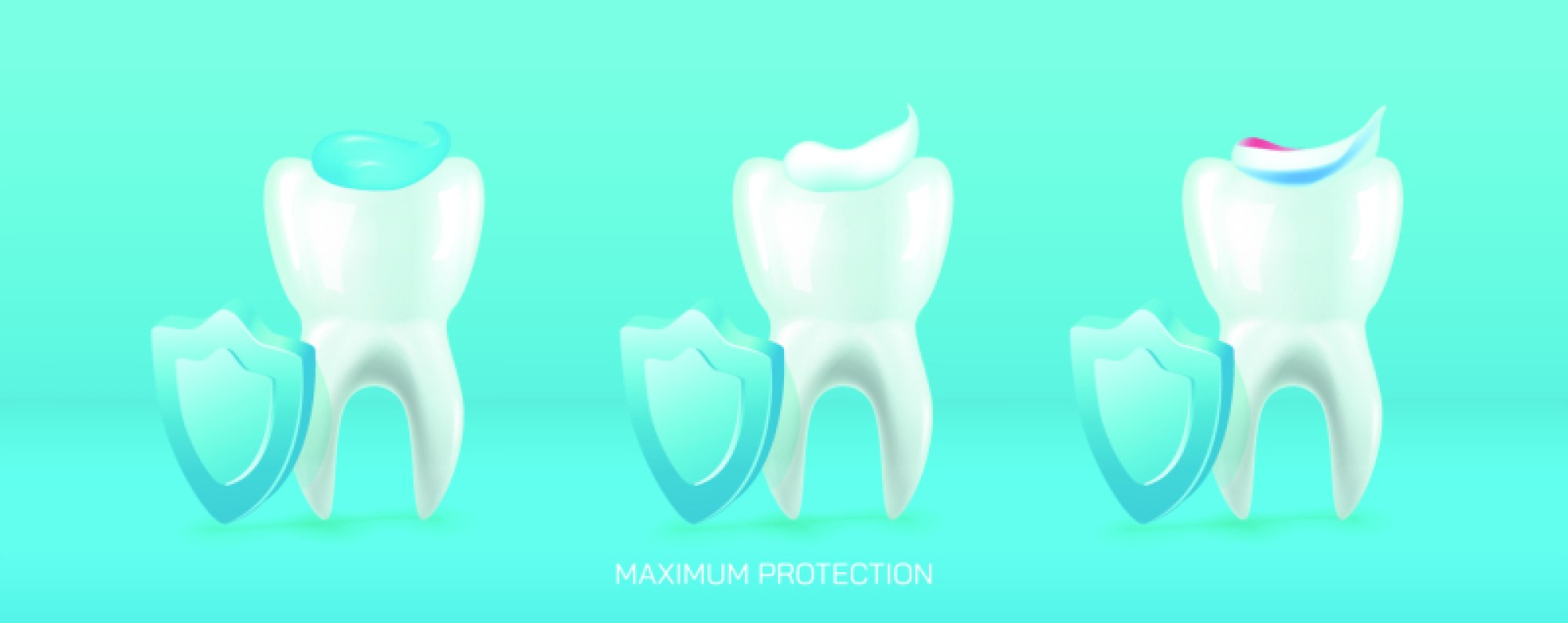
Protecting teeth also requires preventing damage and erosion, because enamel — once lost — cannot grow back naturally. Mechanical erosion can occur through forceful brushing with hard bristles, grinding and clenching (bruxism), or using teeth to open packaging or bite hard objects. Chemical erosion occurs when acids dissolve enamel, especially in cases of acid reflux disease, overeating acidic foods, excessive citrus intake, or frequent soft drinks. Protecting enamel means treating teeth with care: brushing gently with a soft-bristled toothbrush, using night guards when necessary to protect against grinding, and waiting 20 to 30 minutes after acidic meals before brushing to prevent abrasion of softened enamel. Remineralizing toothpaste containing fluoride, calcium phosphate, or hydroxyapatite helps repair microscopic enamel damage and strengthens the tooth surface against daily wear. Taking proactive measures before damage becomes visible safeguards teeth for the long term.
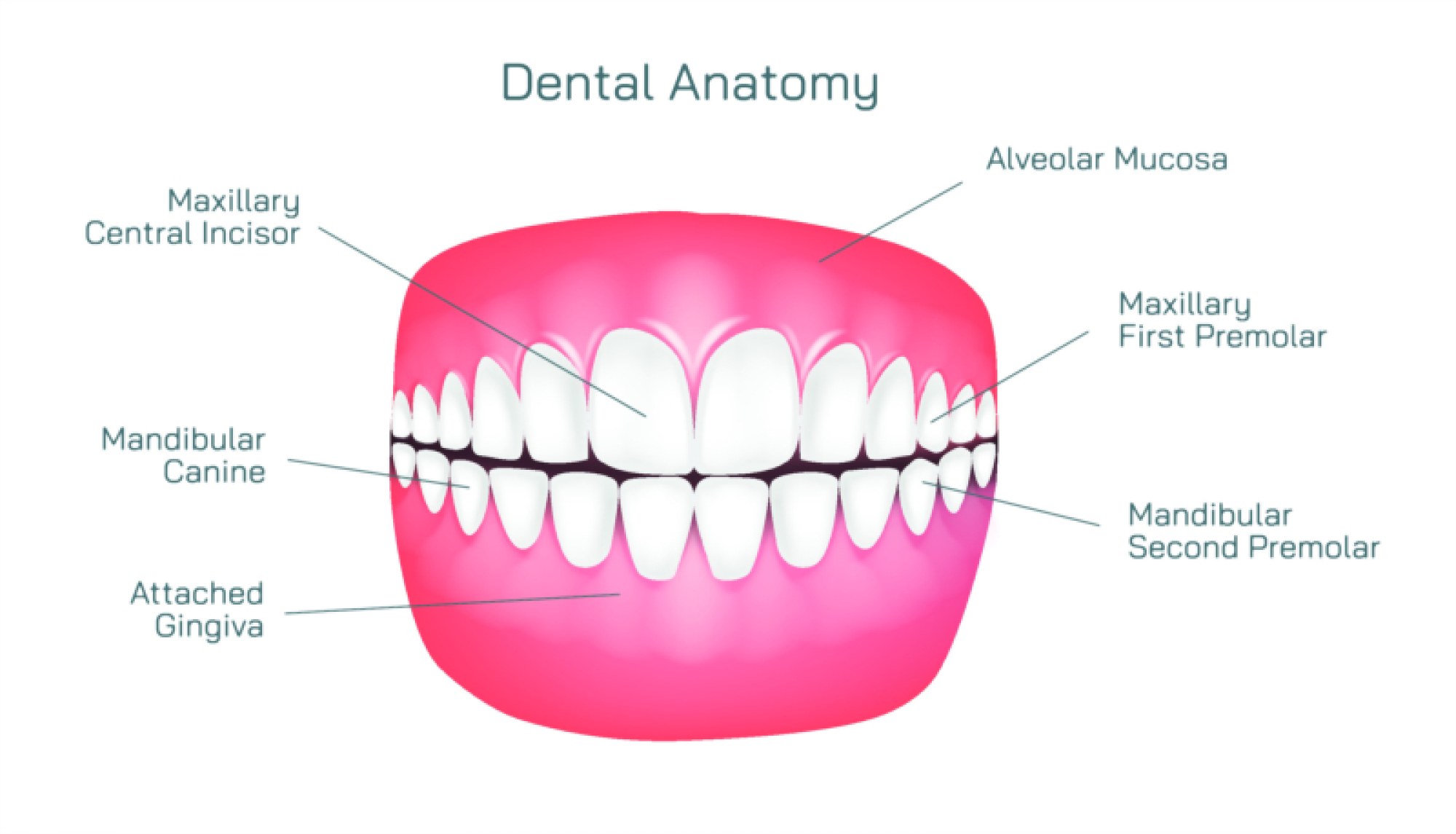
Gum health is equally important for a beautiful smile because gum disease silently affects millions without early pain. Gums act as the protective seal that anchors teeth and shields deeper tissues from bacteria. When plaque remains at the gumline, inflammation develops (gingivitis), marked by bleeding during brushing or flossing. Without intervention, gingivitis progresses into periodontitis — destruction of bone and connective tissue — leading to gum recession, loose teeth, and tooth loss. Regular professional cleanings, paired with daily home care, remove hardened tartar impossible to eliminate with a toothbrush alone. Recognizing early gum inflammation and treating it immediately prevents irreversible deterioration. A smile anchored in healthy gums appears fuller, firmer, and more youthful, highlighting how gum care is not separate from dental beauty but a fundamental part of it.
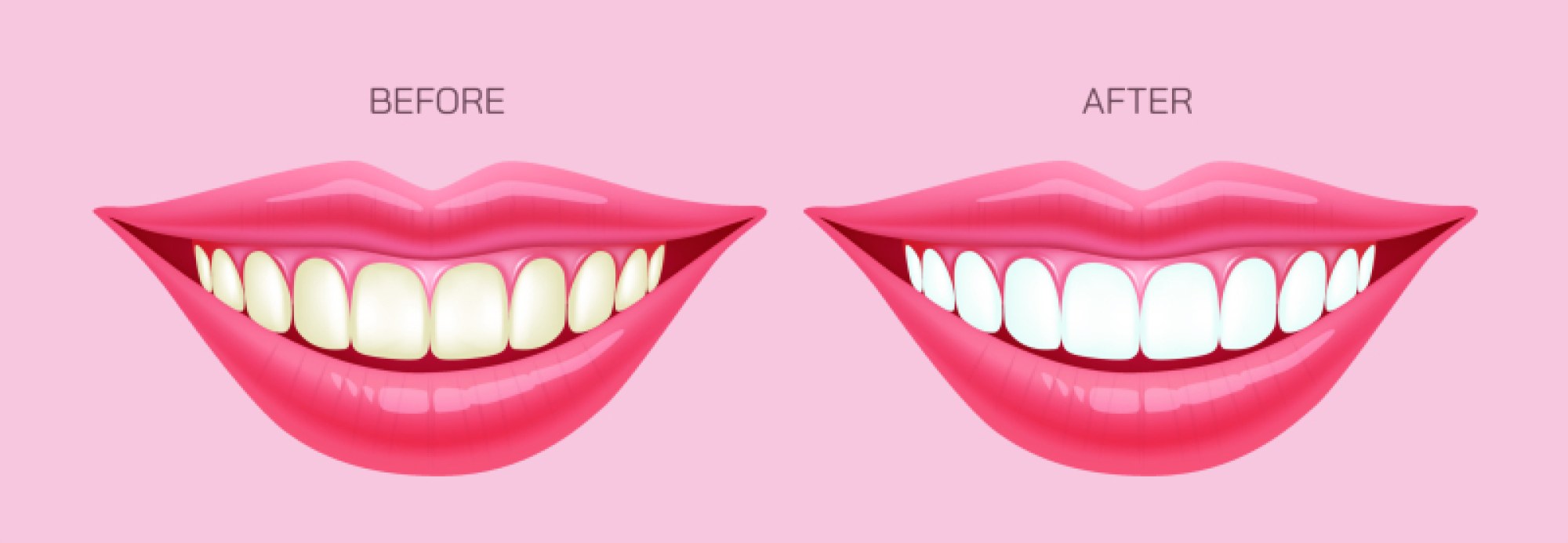
Cosmetic preservation also plays a role in maintaining a confident smile. Teeth naturally darken over time due to pigments from coffee, tea, wine, tobacco, and chromogenic foods. Whitening toothpaste and consistent cleaning reduce surface stains, but avoiding overuse of abrasive whitening products protects enamel from wear. Professional whitening treatments offer deeper stain reduction while maintaining tooth integrity. Regular brushing of the tongue, staying hydrated, and controlling plaque development help prevent bad breath, preserving freshness and confidence in social interaction. Cosmetic choices should always align with oral health rather than compromise it — the brightest smile is one supported by strong teeth and stable gums.
Finally, achieving and maintaining a healthy smile requires routine dental check-ups and preventive care, because even well-brushed teeth can develop hidden decay, early gum disease, tiny cracks, or bite imbalances that only a trained professional can detect. X-rays reveal internal structures, oral exams find early lesions, sealants protect deep grooves in children and adults, and fluoride treatments strengthen enamel in high-risk individuals. Dental visits every six months — or more often for people with ongoing risks — prevent small problems from becoming serious ones. Instead of cycling between neglect and emergency treatment, preventive dental care creates a stable rhythm of monitoring, cleaning, and improvement that preserves oral health for life.
Ultimately, protecting teeth and achieving a healthy smile is not one single action but a lifetime partnership between daily habits and professional care. Brushing and flossing remove plaque, diet choices regulate biological stress on enamel, enamel-strengthening practices prevent erosion, gum care preserves the foundation of the smile, cosmetic care maintains brightness without sacrificing health, and dental check-ups safeguard the future. When these elements work together, oral health becomes effortless rather than reactive, and a healthy smile remains not merely a cosmetic feature but a reflection of overall well-being, confidence, and vitality across the lifespan.