Tuning Fork Resonance: Principles, Vibration, and Applications in Physics and Music
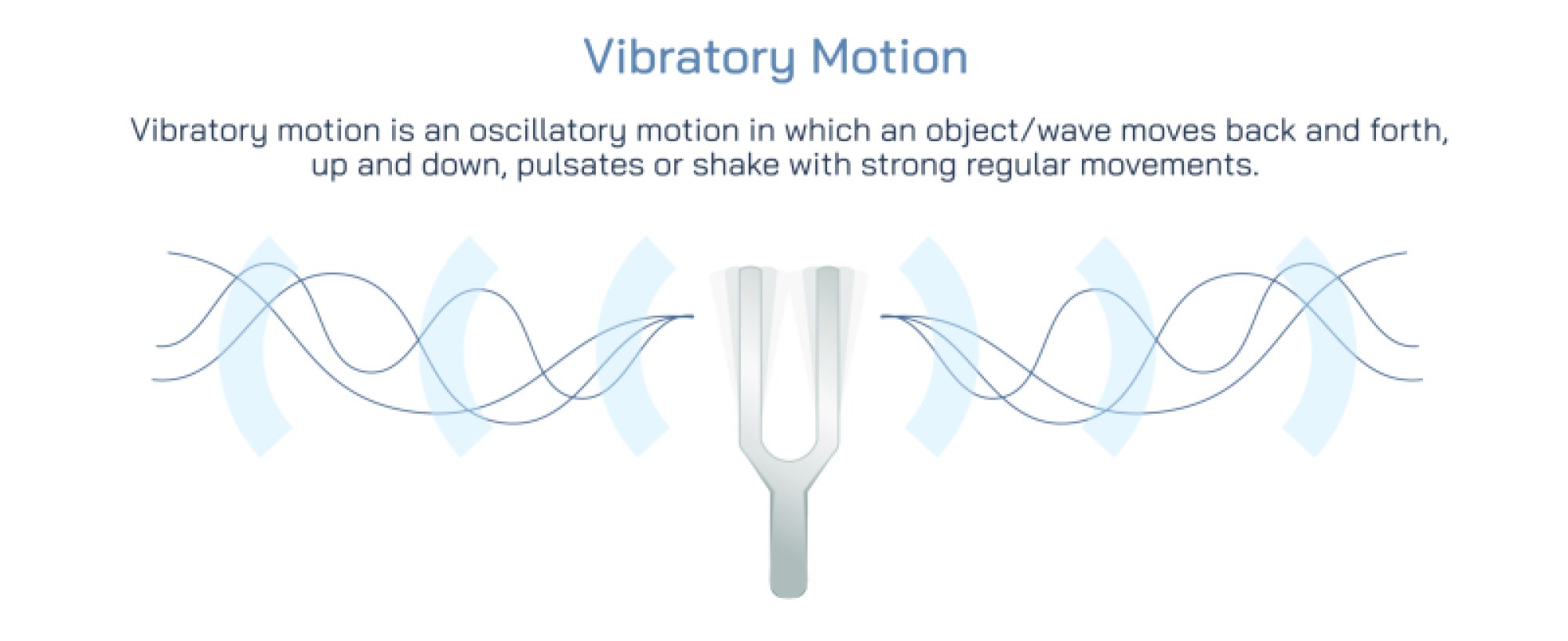
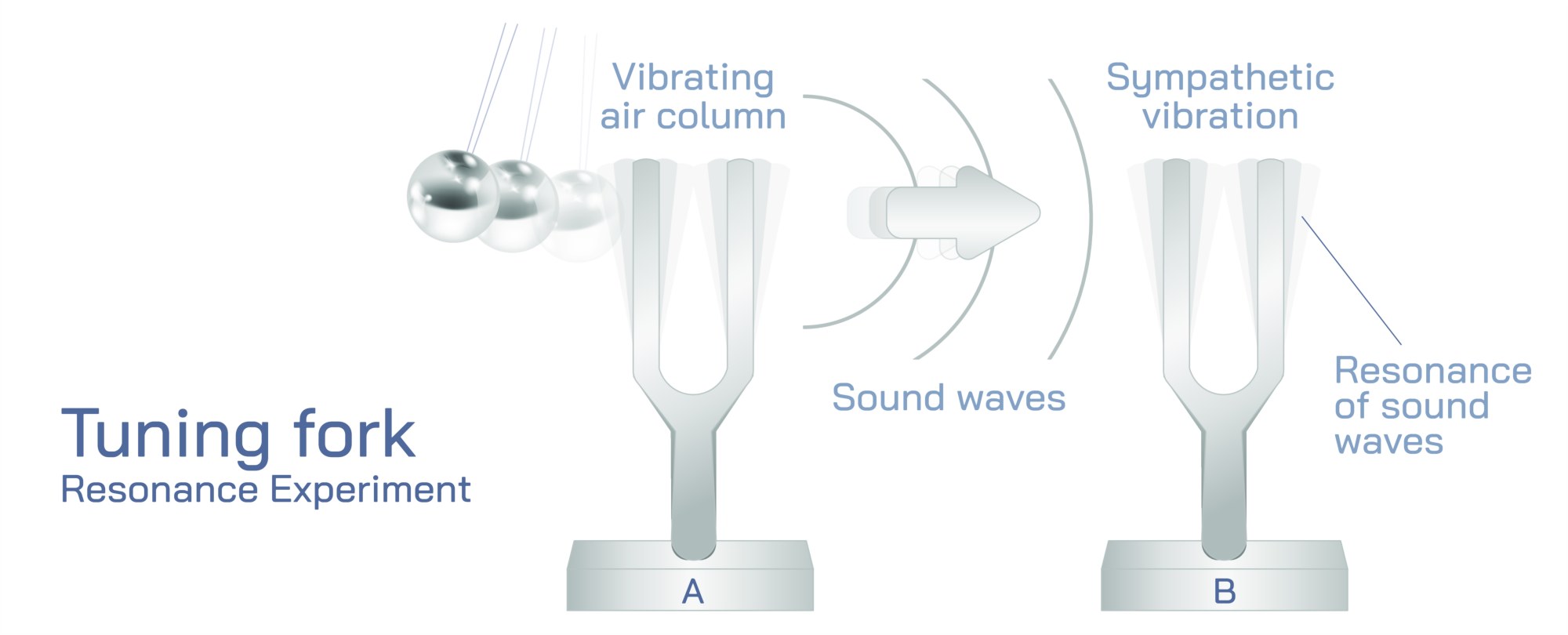
A tuning fork is a precision instrument designed to produce a pure musical tone when it vibrates. The principle behind tuning fork resonance lies in its ability to oscillate at a specific natural frequency when struck. The two prongs, or tines, of the fork vibrate in opposite directions, creating harmonic sound waves that propagate through the surrounding medium, typically air. The resonance phenomenon occurs when an external system, such as a sound box or another fork, vibrates at the same natural frequency as the tuning fork, amplifying the sound without additional energy input.
Mechanics of Vibration:
When a tuning fork is struck, its tines bend slightly and release energy in the form of mechanical oscillations. These vibrations are periodic, generating longitudinal sound waves that travel through air and can be heard as a steady tone. The frequency of vibration depends on the fork’s material, tine length, and thickness, and is usually standardized (e.g., 440 Hz for musical A). The rigid stem transmits vibrations efficiently to the medium it contacts, such as a resonance box or tabletop, enhancing the amplitude and clarity of the sound.
Resonance Effects:
Resonance occurs when another object with the same natural frequency is exposed to the tuning fork’s vibrations. This principle demonstrates energy transfer between systems at matching frequencies, allowing the second object to vibrate sympathetically. This effect is widely used in acoustic experiments, physics demonstrations, and music tuning, showcasing how resonance amplifies sound and allows precise frequency matching. The predictable resonance of tuning forks makes them ideal tools for frequency calibration, scientific measurements, and harmonic analysis.
Applications:
1. Physics Education: Tuning forks are fundamental in demonstrating resonance, wave propagation, and harmonic motion in laboratories.
2. Music: Musicians use tuning forks to standardize pitch for instruments, ensuring consistent sound quality.
3. Acoustic Experiments: Tuning forks help study sound intensity, interference patterns, and resonance phenomena.
4. Medical Use: Tuning forks are used in audiometry and neurological testing to evaluate hearing and nerve function.
In conclusion, tuning fork resonance illustrates the fundamental principles of vibration, sound wave propagation, and harmonic resonance. Its precise natural frequency and predictable behavior make it indispensable in scientific research, music, and physics education, demonstrating how mechanical oscillations can transfer energy and produce pure tones. Understanding tuning fork resonance provides key insights into acoustics, wave mechanics, and resonance phenomena across various scientific and practical applications.