How Radar Works — Principles, Mechanism, and Applications
Radar, which stands for Radio Detection and Ranging, is a technology that uses electromagnetic waves to detect objects, determine their distance, speed, and direction, and monitor atmospheric or surface conditions. The basic working principle of radar involves the transmission of electromagnetic pulses, their reflection off a target, and the reception of the reflected signal for analysis. Radar systems are widely applied in weather monitoring, aviation, maritime navigation, defense, and automotive technologies.
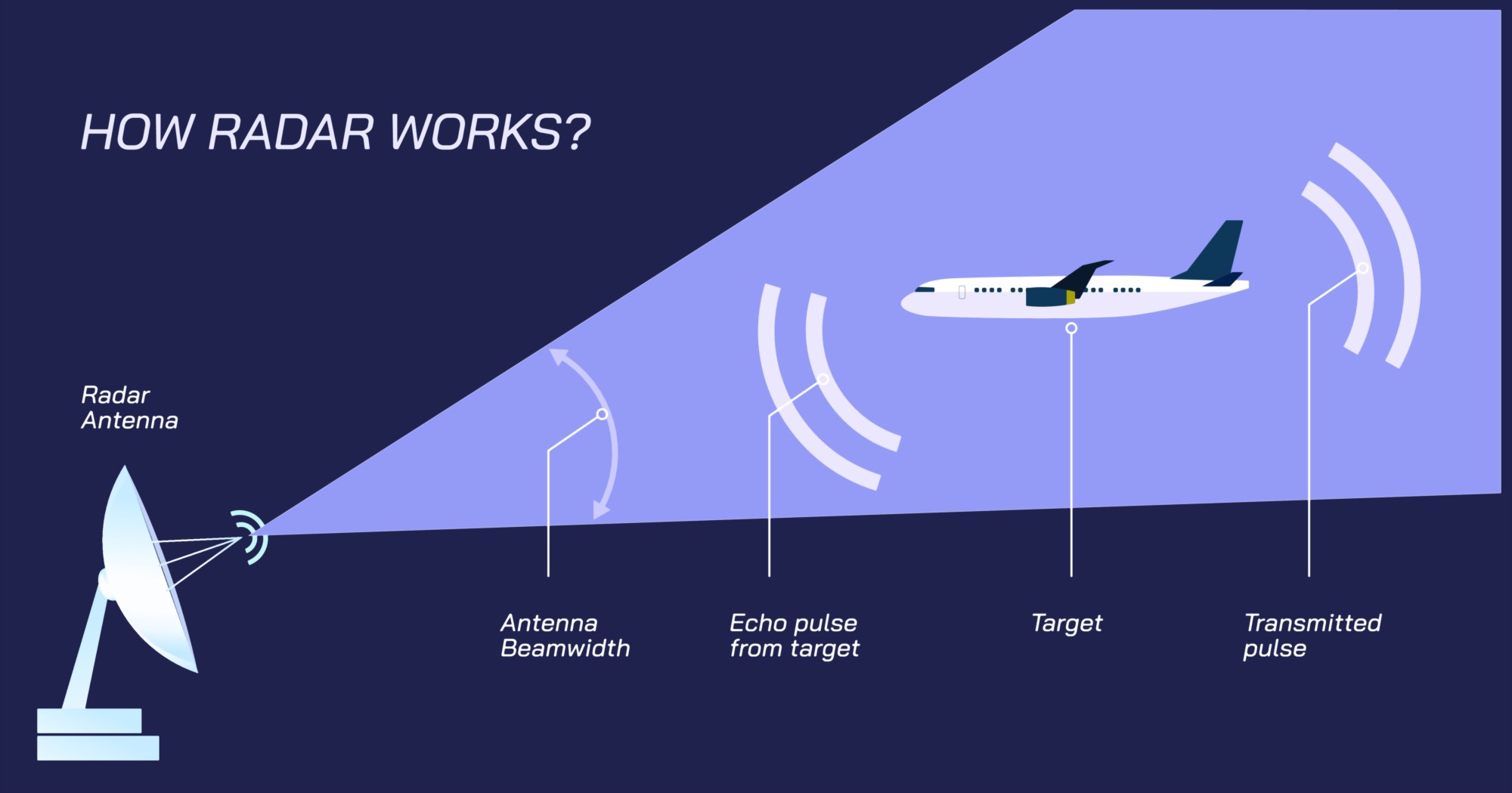
The radar process begins with the transmission of radio waves from a radar antenna. These waves travel at the speed of light and propagate through the atmosphere until they encounter an object, such as an aircraft, ship, precipitation, or terrain feature. When the radio waves strike the target, a portion of the energy is reflected back toward the radar system. The radar receiver detects this reflected signal and measures the time interval between transmission and reception to calculate the distance to the target. The Doppler shift of the returned signal is used to determine the relative velocity of moving targets.
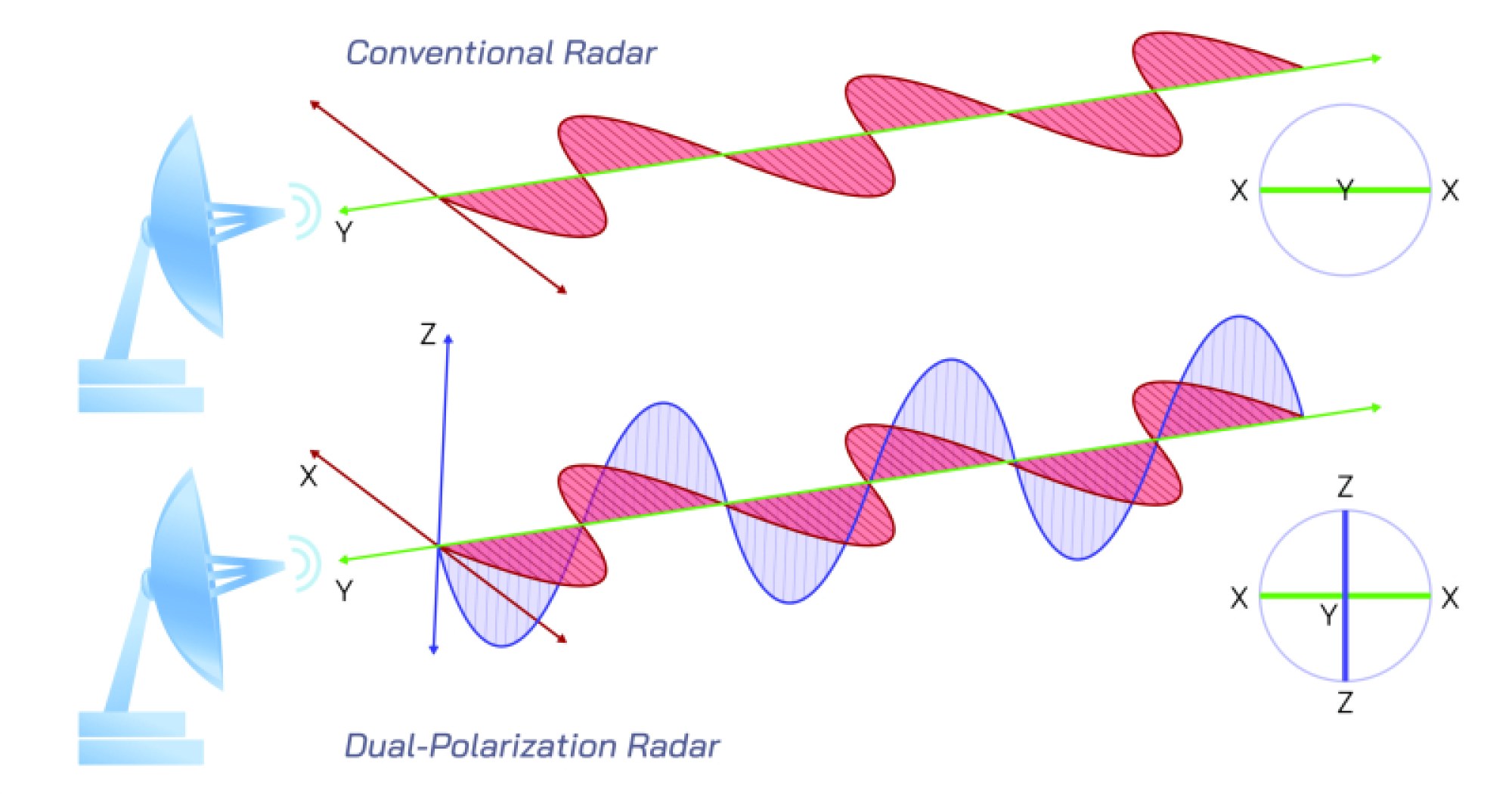
Radar systems analyze the amplitude, frequency, phase, and polarization of the reflected waves to extract additional information about the target’s size, shape, material, and orientation. Modern radar can also use advanced techniques such as pulse modulation, phased arrays, and dual polarization to improve accuracy, resolution, and target discrimination. Weather radars, for example, can distinguish between rain, snow, and hail, while aviation radars track aircraft positions and speeds in real time. Defense radars use sophisticated signal processing to identify and track multiple targets simultaneously, even in cluttered environments.
The advantages of radar include the ability to operate in all weather conditions, detect objects at long ranges, and provide real-time information about moving and stationary targets. Its applications extend from meteorology and air traffic control to marine navigation, military surveillance, and autonomous vehicle systems. By converting electromagnetic energy into actionable data, radar enables precise monitoring, forecasting, and control across multiple fields.
In conclusion, radar works by transmitting electromagnetic waves, detecting their reflections, and analyzing the returned signals to determine the position, distance, speed, and characteristics of targets. Its principles of wave propagation, reflection, and signal analysis make it an indispensable technology in weather forecasting, aviation, defense, and modern navigation systems, highlighting its critical role in observation, monitoring, and safety.