Acupuncture Therapy Showing Traditional Healing Method Using Needles on Body Pressure Points
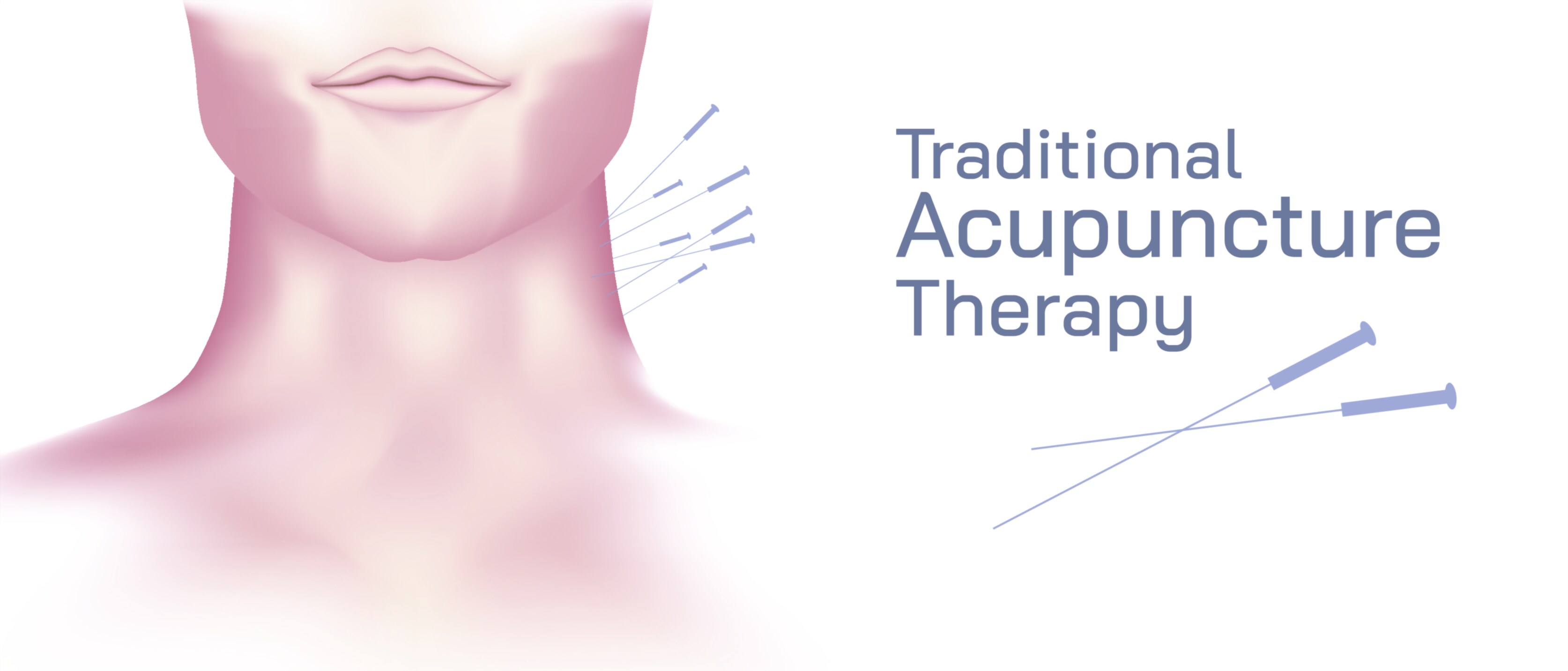
Acupuncture is one of the most recognized traditional therapeutic practices in the world, rooted in thousands of years of East Asian medicine and built on the belief that the human body possesses an interconnected network of energy pathways that guide physical and emotional well-being. A detailed illustration showing acupuncture therapy with fine needles placed along specific pressure points on the body helps express visually what written descriptions cannot fully capture: that the therapy is not random needle insertion, but a precise application of anatomical and energetic knowledge built over centuries. In traditional Chinese medicine, these pathways—known as meridians—carry vital life energy, or qi, throughout the entire body, and health depends on the smooth, balanced movement of this energy. Pain, illness, fatigue, and stress are interpreted as signs that qi has become blocked, weakened, or imbalanced. Acupuncture seeks to restore this harmony by stimulating designated points that lie along the meridians using hair-thin needles inserted with refined technique. When represented visually, the careful placement of needles along the back, limbs, abdomen, head, hands, and feet creates a map of points that symbolically guide the therapist’s work and help communicate the logic of the treatment.
The method itself is remarkably different from many modern medical treatments because it attempts to support the body’s own healing mechanisms rather than force change externally. When an acupuncture needle enters a pressure point, the stimulation is believed to communicate with the nervous system, the immune system, and circulatory pathways all at once. Scientific research suggests that acupuncture triggers the release of natural pain-relieving chemicals such as endorphins, promotes blood flow to targeted regions, calms the sympathetic nervous system, and influences neurotransmitters that regulate stress and emotional equilibrium. Traditionally, however, this response has been described through the lens of energy flow: when the needle contacts a blocked point, it frees stagnation, restores warmth, invites circulation, and allows the system to rebalance. Illustrations showing energy radiating outward from a stimulated point help bridge the conceptual distance between ancient and modern interpretations, showing that the therapy’s goal has always been to encourage the body to return to a balanced state of vitality.
The arrangement of acupuncture points across the human body reflects the philosophy that internal systems are connected, not isolated. Treatment of lower back pain may include points on the legs, and digestive issues may be treated through points on the wrist or abdomen. To someone unfamiliar with acupuncture, this can seem unusual until it is understood that meridians travel along long body routes that tie surface points to deeper organs and nerve networks. An illustration that marks specific meridian lines—such as the liver meridian on the medial leg or the gallbladder meridian crossing the shoulder and head—makes visible the patterns of treatment that experienced practitioners navigate intuitively. This visualization also explains why acupuncture differs from massage or physiotherapy, which focus mainly on direct local tissue manipulation: acupuncture stimulates bodywide pathways that connect multiple systems at once.
The physical sensation of acupuncture is typically lighter than people expect. The needles used are extremely thin—much finer than injection needles—and are inserted with gentle precision, often producing a dull, warm, or tingling sensation referred to traditionally as deqi, meaning “arrival of energy.” This sensation is considered a therapeutic sign that the point has been activated. A diagram of needle depth and angle can reveal the careful calibration behind the technique, emphasizing that each point requires specific positioning that aligns with nerves, fascia, or muscle tissues beneath the skin. Traditional teaching emphasizes that the goal is not to inflict pain but to create communication, encouraging the body to shift from imbalance into healing.
One of the reasons acupuncture remains widely practiced is its versatility in addressing numerous health concerns. Many people seek acupuncture for relief from chronic pain conditions such as arthritis, migraines, neck and shoulder tension, sciatica, and sports injuries. Others turn to it for stress reduction, anxiety relief, improved sleep, digestive regulation, fertility support, or hormonal balance. A therapeutic illustration showing acupuncture points beside labels for common benefits can help patients recognize the broad scope of the treatment. At the same time, modern integrative medicine often pairs acupuncture with physiotherapy, chiropractic care, or psychotherapy because its calming effects on the nervous system and pain response complement approaches aimed at structural, emotional, or muscular healing.
Another dimension of acupuncture that benefits from visual explanation is the rhythm of treatment. Unlike a single-dose intervention, acupuncture works cumulatively across sessions. A course of care may begin with frequent treatments during acute discomfort and transition to maintenance sessions once symptoms improve. In traditional practice, treatment evolves as the patient’s condition changes, meaning that points chosen during early sessions may shift later as the body reaches deeper balance. Illustrations that show this progression—from initial pain relief to systemic regulation—can help patients understand why the therapy follows a timeline rather than producing instant, permanent effects after a single appointment.
The integration of acupuncture within cultural and spiritual healing traditions adds further meaning to its representation. Historically, acupuncture has not only been viewed as a physical treatment but as a method for calming the spirit, grounding emotional energy, and reconnecting the body with natural cycles of rest, activity, warmth, and nourishment. A soothing illustration of a relaxed patient lying comfortably with needles placed symmetrically across the body evokes the meditative quality of a session—the stillness, the breathing, the quiet attention to internal states that encourages the mind to release tension. This aspect of acupuncture is particularly relevant today, as stress-related conditions increasingly drive individuals to seek more holistic models of care.
The safety of acupuncture also benefits from visual explanation. Because the therapy requires sterile, single-use needles and precise anatomical knowledge, illustrations that highlight muscle depth, avoidance of sensitive structures, and professional technique create clarity and confidence. These depictions differentiate trained acupuncture therapy from casual or unsafe needle use, reinforcing that proper qualification and anatomical understanding are essential to effective treatment.
When acupuncture therapy is shown through a detailed vector illustration—needles at pressure points, meridian pathways, energetic flow, and the calm healing posture of the individual—the viewer receives an integrated understanding of a practice that blends body awareness, nervous system modulation, physical relief, and the philosophical principle of restoring internal balance. The image becomes a meaningful representation not only of a needle-based treatment, but of a therapeutic model that views the human being as an interconnected whole. Acupuncture gains its power from this holistic perspective: pain is not merely a symptom to suppress; it is a signal of imbalance, and healing emerges when the body is supported in re-establishing its own natural equilibrium. This is why acupuncture continues to grow globally—not only as a traditional remedy but as a complementary therapy valued for its ability to harmonize physical and emotional health in a gentle, intentional, and deeply individualized way.