Plastic vs Biodegradable Materials – Environmental Awareness, Decomposition Differences, Real-World Impact, Sustainability Challenges, and the Path Toward Eco-Friendly Living
Plastic and biodegradable materials represent two very different approaches to manufacturing, consumption, disposal, and environmental responsibility. One belongs to the era of convenience-driven industrial growth, where durability and low cost were prioritized over ecological consequences; the other belongs to the emerging age of sustainability, where the lifecycle of products and their return to nature are considered just as important as their usefulness. Plastic has shaped the modern world with countless applications, yet its long-term environmental impact has become one of the most pressing ecological threats in history. Biodegradable materials, by contrast, are designed with the goal of safe reintegration into the environment after use, breaking down naturally through the action of microorganisms, heat, and moisture. When environmental awareness campaigns compare plastic vs biodegradable materials, the goal is not simply to promote one over the other but to help people understand how daily choices can either harm or protect the planet. The comparison reveals how different materials behave in nature, how they affect wildlife and ecosystems, how they contribute to climate change, and how conscious consumer habits can reduce pollution for generations to come.
Plastic is a synthetic material created primarily from petrochemicals derived from oil, natural gas, or coal. It was originally celebrated for its durability, flexibility, resistance to water, and ability to be molded into any shape. These features made plastic indispensable in packaging, home goods, electronics, transportation, medicine, and countless industries. However, the same durability that brought convenience also created an ecological crisis: plastic does not decompose naturally. Most plastic items take hundreds to thousands of years to break down, and even then they do not disappear completely—rather, they fragment into microplastics and nanoplastics that continue to pollute soil, oceans, drinking water, and air. Single-use plastic, in particular, is used for only minutes but remains in the environment for centuries, circulating across landfills, beaches, forests, agricultural fields, and marine ecosystems.
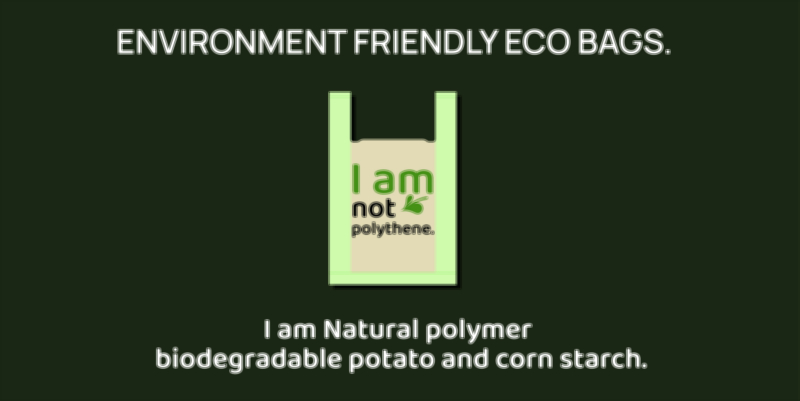
Biodegradable materials behave very differently. They are made to decompose naturally through biological processes carried out by microorganisms such as bacteria, fungi, and algae. When biodegradable materials are disposed of correctly, they return to the environment as organic matter, without leaving behind toxic residues. They can be produced from plant-based sources like corn starch, sugarcane, potato starch, cellulose, rice husk, bamboo fiber, seaweed extracts, and other renewable biomasses. Some biodegradable materials decompose within weeks or months under composting conditions, while others require a few years—still a dramatically shorter timescale than plastic. The fundamental difference is that biodegradable materials complete a natural lifecycle, reflecting a relationship with nature that prioritizes balance and regeneration rather than long-term pollution.
To fully understand the distinction, it is necessary to look beyond decomposition time and consider environmental behavior. When plastic is thrown into nature, it releases chemicals as it degrades. Common plastic additives—like BPA, PVC, phthalates, flame retardants, and stabilizers—leach into soil and water, disrupting the reproduction, hormonal systems, and immunity of both animals and humans. Plastic dumped into oceans harms marine species; plastic in landfills contaminates groundwater; burning plastic releases toxic smoke and greenhouse gases. Biodegradable materials, when processed properly, do not cause such ecological stress because their breakdown produces carbon dioxide, water vapor, and biomass—the same products formed in natural decomposition cycles. While the breakdown of biodegradable materials can also release carbon dioxide, that CO₂ originally came from the plants used to manufacture the material, making the cycle carbon-neutral rather than adding new greenhouse gases to the atmosphere.
There are, however, deeper layers to this comparison that environmental awareness campaigns must clarify. Not all products labeled “biodegradable” degrade under all conditions. Some require industrial composting facilities that provide controlled heat, moisture, and microbial activity. If biodegradable materials are littered, thrown into landfills without oxygen circulation, or mixed with regular waste, they may not decompose efficiently. Therefore, consumer education must go hand in hand with product innovation. Biodegradable solutions work best when supported by waste-segregation systems, composting infrastructure, and clear disposal instructions. When biodegradable materials are used responsibly and processed correctly, they prevent pollution and help close the loop between consumption and nature.
Plastic and biodegradable materials differ significantly in their impact on wildlife and ecosystems. Animals that encounter plastic often ingest or become entangled in it, leading to injury, starvation, choking, suffocation, or death. Mass plastic pollution disrupts food chains, alters habitats, and spreads pathogens across oceans and forests. Microplastics accumulate in soils, decreasing fertility, harming microorganisms, and reducing crop productivity. Biodegradable materials, on the other hand, do not pose such hazards to wildlife because they do not persist or fragment into toxic microscopic particles when disposed of properly. While no waste is harmless if mismanaged, biodegradable materials minimize the risk of enduring ecological damage.
Another point of comparison is resource consumption. Plastic production relies heavily on fossil fuels, reinforcing the climate crisis and the depletion of nonrenewable resources. Its manufacturing releases significant greenhouse gases and industrial pollutants. Biodegradable materials depend on renewable resources, contributing to a circular economy that regenerates rather than exhausts nature. However, scaling the production of biodegradable materials requires careful planning so that agricultural land use does not compete with food supplies. The best biodegradable systems rely on agricultural by-products (rice husk, wheat straw, used cooking oil, coconut shells, etc.) rather than crops needed for human consumption. With responsible management, biodegradable materials can become part of a sustainable production loop rather than contributing to environmental stress.
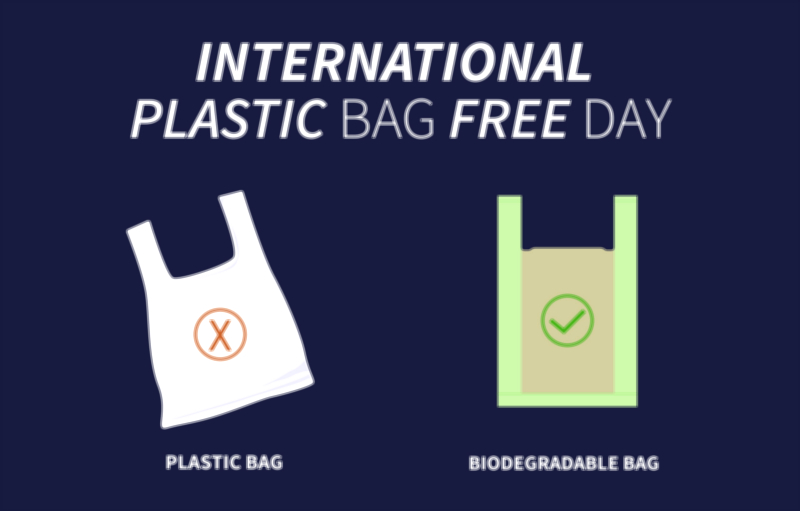
Public awareness becomes a driving force in shifting consumer habits away from plastic and toward biodegradable alternatives. Many people choose plastic simply because it is cheaper and more accessible, not because they consciously wish to harm the environment. Awareness campaigns must show real examples of how daily habits fuel environmental destruction: beaches buried in plastic, turtles choking on bags, cows grazing near garbage dumps, rivers blocked by plastic bottles, and microplastics entering drinking water. The emotional understanding that “every piece of plastic continues to exist somewhere” helps reshape perception. At the same time, campaigns should empower people with solutions: reusable cloth bags instead of plastic bags, stainless steel or glass bottles instead of disposable bottles, bamboo cutlery instead of plastic spoons, compostable packaging instead of conventional wrappers, biodegradable garbage bags instead of polyethylene ones, and bulk purchasing to reduce packaging waste.
Behavioral change is strongest when environmental responsibility becomes a shared cultural value. Schools can adopt biodegradable alternatives in events and canteens to educate children early. Homes can reduce plastic by refusing unnecessary packaging. Shops can reward customers for bringing their own bags. Businesses can switch to compostable packaging and promote plastic-free policies. Governments can reinforce sustainability through bans on single-use plastic and incentives for green manufacturing. Every step, even if small, builds a collective shift in how society consumes and disposes of materials. The transition from plastic to biodegradable options is not merely a technological upgrade — it is an ethical evolution toward living in harmony with the Earth.
The comparison between plastic and biodegradable materials ultimately represents a comparison between two futures. One future continues with plastic: clogged oceans, poisoned soil, damaged ecosystems, contaminated food chains, respiratory hazards from burning waste, and a planet struggling under centuries of accumulated garbage. The other future embraces biodegradable alternatives and responsible consumption: reduced pollution, restored ecosystems, cleaner water, safer wildlife habitats, and a healthier world for future generations. Every choice made in daily life — from purchasing habits to waste segregation — influences which future unfolds.
In conclusion, plastic vs biodegradable materials is not just a scientific comparison; it is a moral decision between lasting harm and sustainable living. Plastic is durable, cheap, and convenient, but its environmental cost is catastrophic because nature cannot break it down. Biodegradable materials align with nature’s cycles, allowing products to return safely to the Earth after use. Awareness, education, innovation, and responsible disposal systems can accelerate the transition toward sustainability. When individuals, communities, institutions, and governments work together to reduce plastic dependence and support biodegradable alternatives, the world moves toward cleaner oceans, fertile soil, healthier ecosystems, and a safer future. Protecting the planet begins not only in factories and policies but in daily choices — the moment someone decides to pick the biodegradable option, refuse single-use plastics, and use products that honor the Earth rather than harm it.