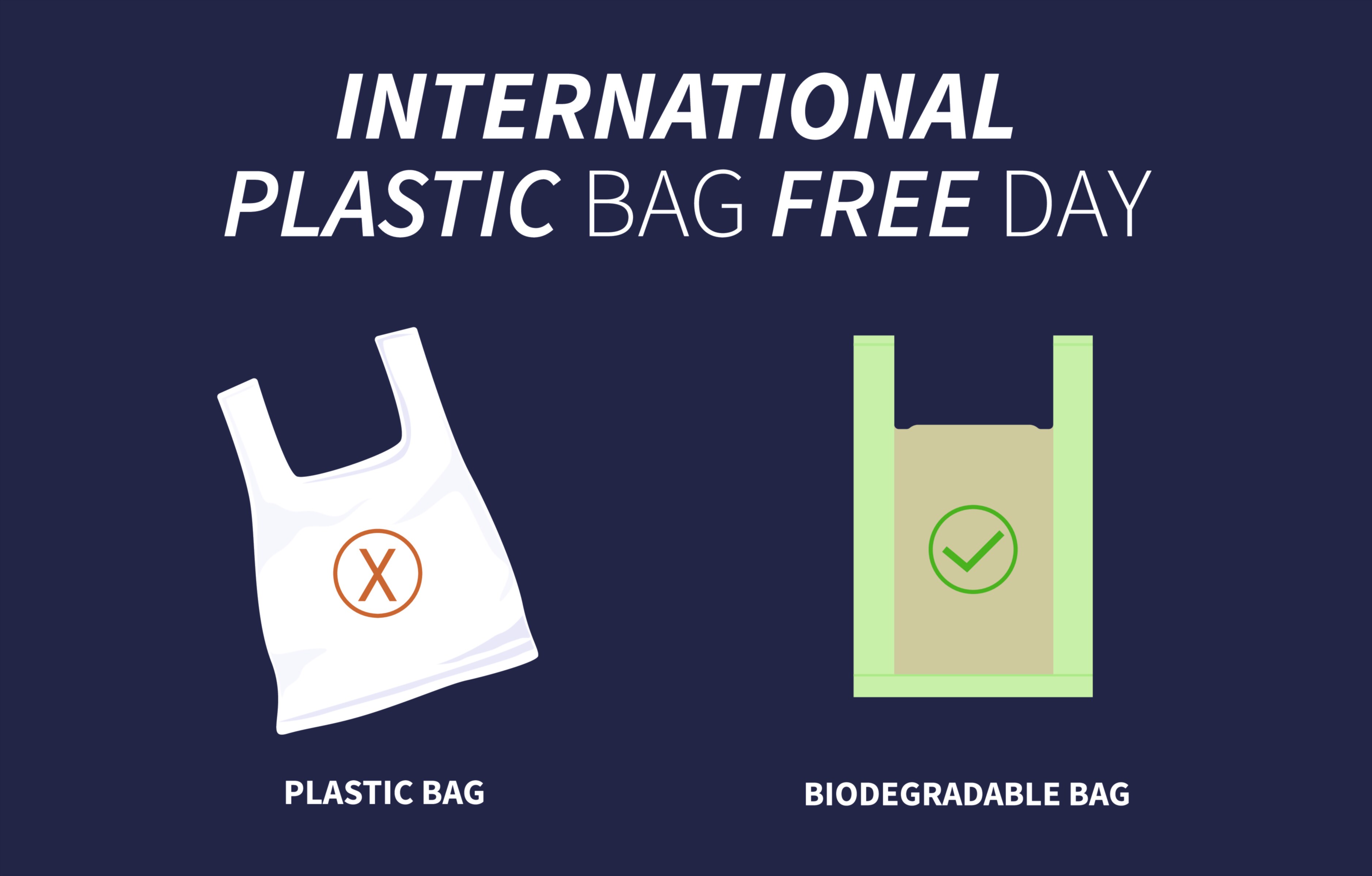
International Plastic Free Day – Awareness Design, Global Environmental Message, Visual Identity Concepts, Symbolism of Sustainability, and Public Engagement for a Plastic-Free Planet
International Plastic Free Day is more than a date on the calendar — it is a global environmental reminder urging every individual, community, school, business, and government to rethink plastic consumption and commit to sustainable living. The purpose of an International Plastic Free Day Awareness Design is to create a visual identity that inspires people to stop, reflect, and act on the plastic crisis that threatens oceans, soil, wildlife, climate, and human health. A powerful design transforms the environmental movement into a recognizable global symbol, spreads awareness across nations and cultures, and motivates people to adopt long-term habits that reduce plastic waste. It gives voice to the planet, especially to the ecosystems suffering silently from plastic pollution. Through thoughtful colors, symbols, typography, and messaging, the design encourages responsibility, empathy, and hope for a cleaner world.
At the core of the visual design is the theme of a planet struggling under the weight of plastic waste. A globe wrapped in a plastic bag or trapped inside a plastic bottle communicates instantly that plastic pollution is not a local issue, but a worldwide crisis affecting every corner of Earth. A wave of plastic trash replacing ocean water highlights the destruction of marine ecosystems, while cracked soil covered with non-decomposed plastic signifies damage to land and agriculture. Designs may depict wildlife suffering — a turtle tangled in plastic, a fish nibbling on a bottle cap, a bird mistaking plastic fragments for food, or coral reefs surrounded by waste — reminding the world that human convenience has become a threat to nature’s survival. These visuals create a deep emotional impact, turning statistics into human-felt reality.
Color psychology plays a crucial role in shaping the emotional tone of the awareness message. Blue symbolizes clean oceans, fresh air, and global responsibility, reminding viewers of the need to protect Earth’s water bodies. Green represents nature, sustainability, and renewed hope — conveying the idea that life thrives when choices become eco-friendly. Brown and earthy tones emphasize soil health and the organic foundation of life, while black and grey accents may highlight the threat of pollution. White can be used to symbolize purity and the possibility of a clean, plastic-free planet. When these colors come together, they reflect both the urgency of the plastic crisis and the optimism for meaningful environmental change.
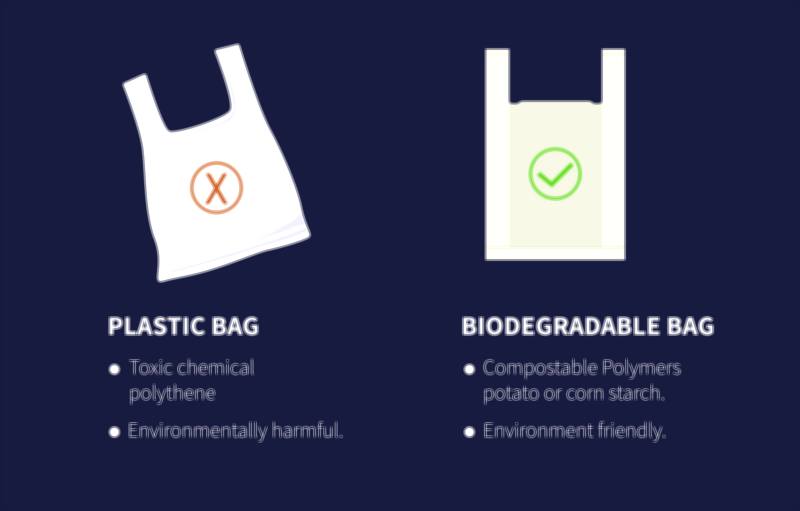
Symbolism strengthens the campaign message by pairing strong warnings with positive, solution-oriented guidance. The red prohibition circle with a plastic bag, bottle, straw, or wrapper placed inside expresses a direct command: No Plastic. But alongside this powerful stop sign, the design must also show alternatives that empower people rather than simply telling them what not to do. Visuals of reusable cloth bags, glass bottles, bamboo straws, wooden cutlery, and compostable packaging provide clear solutions. A poster becomes more convincing when it not only exposes the harm but also shows the path forward. For example, two contrasting images — one showing a beach filled with plastic and the other showing the same beach sparkling after a cleanup — highlight the transformation possible when communities act together.
Typography helps determine how the message is perceived. Strong, bold fonts reinforce seriousness and urgency, while softer rounded fonts express care and cooperation. Key phrases that work well in an awareness design include:
“International Plastic Free Day”
“Go Green, Go Plastic-Free”
“Protect Earth — Choose Reusable”
“Plastic-Free Future for Wildlife”
“Small Change, Global Impact”
“One Day Without Plastic, A Lifetime of Difference”
Short and impactful slogans grab attention on posters, banners, and social media graphics, encouraging the audience to act instantly. Longer subtitles can expand the call to action, such as “Refuse single-use plastics. Reduce waste. Reuse what you can. Restore Earth for future generations.”
A compelling awareness design also highlights human responsibility and empowerment. Imagery of children holding the planet, volunteers cleaning beaches, or families using plastic-free alternatives reinforces the message that protecting nature is both possible and joyful. International Plastic Free Day is meant to unite people, so visuals showing hands of different colors and cultures joining around a green Earth symbolize global cooperation. The campaign reminds viewers that sustainability is not the duty of a few environmentalists — it is a shared responsibility of all humanity.
To maximize participation, designs must be versatile and effective across multiple formats: posters, banners, school charts, event backdrops, social media posts, digital screens, newsletters, eco-campaign badges, T-shirts, brochures, stickers, bags, and certificates of participation. For digital media, high-contrast visuals and minimal text work best because messages must be instantly readable on small screens. In physical campaign events, oversized graphics and emotive illustrations draw attention from a distance. Adaptability ensures that no matter where a person encounters the design — in a classroom, workplace, community hall, beach cleanup, park event, or online space — the message remains instantly recognizable and motivating.
The most powerful aspect of International Plastic Free Day awareness design is its ability to influence long-term behavioral change. The campaign is not only about avoiding plastic on one day; it is about using that day as an opportunity to start a lifelong habit. The design should therefore not simply promote action for 24 hours, but awaken a mindset that extends far beyond the event. When people see the poster year after year, the message becomes part of their values. They begin to associate environmental responsibility with daily choices — refusing plastic bags at the store, carrying reusable bottles, buying products with sustainable packaging, and teaching children to care for nature.
Ultimately, International Plastic Free Day is a celebration of the planet, a reminder of human accountability, and a declaration that a cleaner future is possible if society chooses sustainability over convenience. When awareness designs unite emotion, information, and action-based solutions, they inspire people not out of fear but out of hope. A world free from plastic pollution begins with awareness, grows through responsible habits, and succeeds through global cooperation.
In its deepest meaning, the awareness design conveys this message: Earth does not need plastic — but plastic production needs to stop for Earth to heal. Every reusable choice, every avoided plastic bag, every eco-friendly habit contributes to a healthier planet. International Plastic Free Day is a call for unity — a day for humanity to act as guardians of the environment, to honor nature, to protect oceans and wildlife, and to build a sustainable legacy for the generations yet to come.