Plastic Use and Its Harmful Impact on Environment – Production, Consumption Patterns, Persistence in Nature, Pollution Hazards, Ecosystem Damage, and Global Sustainability Concerns
Plastic has become one of the most widely used materials in the modern world because of its low cost, durability, light weight, and versatility. It appears everywhere — in packaging, clothing, electronics, construction, transportation, medical supplies, household goods, and countless consumer products. While plastic has supported major advances in technology and convenience, its widespread use has come with severe environmental consequences. Unlike natural materials that decompose within months or years, most plastics are synthetic polymers designed for long-term stability. As a result, they remain in the environment for centuries, fragmenting into smaller particles rather than disappearing. The harmful impact of plastics extends from manufacturing to disposal: extraction of fossil fuels for plastic production contributes to greenhouse gas emissions, plastic waste pollutes land and water systems, wildlife suffers serious health risks, and humans face growing concerns related to microplastic exposure and contamination of food and water sources. Understanding the environmental damage caused by plastic is critical for adopting sustainable alternatives, reducing dependence on single-use products, and protecting ecosystems for future generations.
The first major environmental challenge with plastics lies in excessive production and consumption. Global plastic production has grown exponentially over the past decades, driven largely by disposable packaging and short-use consumer products. Many of these products are used for only minutes or hours — plastic bags, wrappers, bottles, straws, food containers — yet remain in nature for hundreds of years. Only a small fraction of plastic waste is recycled, and even recycling is often inefficient or limited by contamination, low market value, or the complexity of mixed materials. Much of the remaining plastic is burned, releasing toxic chemicals into the atmosphere, or sent to landfills, where it persists indefinitely. In many areas, weak waste management systems leave plastic to accumulate on streets, beaches, rivers, and oceans, where it spreads across ecosystems globally. The durability that once made plastic useful now becomes one of its greatest environmental threats.
Plastic pollution severely disrupts terrestrial ecosystems. In soil, plastic fragments block air and water circulation, slowing plant growth and diminishing the fertility of agricultural land. As plastic breaks down into microplastics, soil organisms such as earthworms, insects, and microorganisms ingest these particles, disrupting their digestion, growth, and nutrient cycling functions. Soil becomes less productive and less capable of supporting plant life, reducing crop yield and biodiversity. When plastic enters land-based food chains through herbivores or soil-dwelling organisms, it travels up to predators and ultimately reaches humans. Continued accumulation of plastic on land contributes to habitat degradation, visual pollution, and deterioration of urban and rural environments.
The impact of plastic pollution is even more devastating in aquatic ecosystems. Rivers act as carriers transporting plastic from land into oceans, where massive accumulations form floating garbage zones — the largest being the Great Pacific Garbage Patch. Marine animals frequently mistake plastic for food. Sea turtles consume plastic bags thinking they are jellyfish; fish swallow microplastic particles while feeding; seabirds ingest floating fragments while hunting; and marine mammals become entangled in abandoned nets and ropes. Ingested plastic blocks digestive systems, causes internal injuries, and leads to starvation or death. Even when animals survive, chemicals in plastics — including phthalates, BPA, and flame retardants — leach into tissues, impairing reproduction, hormonal balance, and immune function. These chemicals bioaccumulate along food chains, reaching top predators and humans. Ocean plastic pollution also harms coral reefs, as plastic surfaces transport pathogens that cause disease outbreaks in coral tissues, contributing to reef decline.
Microplastics and nanoplastics represent one of the most alarming forms of pollution because they are nearly invisible and easily dispersed. These tiny particles originate from the breakdown of larger plastics as well as manufactured microbeads found in cosmetic and cleaning products, synthetic fibers from clothing, tire wear, and industrial abrasives. Microplastics have now been detected in drinking water, sea salt, seafood, agricultural soil, the atmosphere, human blood, and even the placenta of newborn babies. While research continues, early findings indicate that microplastics can cause inflammation, oxidative stress, hormonal disruption, immune imbalance, and interference with cellular function in both animals and humans. Because plastics absorb toxic chemicals from the environment, they act as carriers transporting pollutants into the body when consumed, inhaled, or absorbed. This represents a growing public health concern that will continue to intensify if plastic pollution is not controlled.
Plastic also contributes to climate change and global warming across its entire life cycle. The production of plastic requires large amounts of fossil fuels — oil, natural gas, or coal — and emits substantial greenhouse gases during extraction, manufacturing, and distribution. When plastics degrade in landfills or natural environments, they release methane and ethylene, which further contribute to atmospheric warming. Incineration of plastic, often used as a waste-management solution, releases carbon dioxide along with toxic pollutants such as dioxins and heavy metals. These emissions compromise air quality and contribute to respiratory problems, making plastic pollution not only an environmental threat but a public health issue. The carbon footprint of plastics reveals an interconnection between pollution, climate instability, and unsustainable consumption patterns.
Beyond ecosystems and climate, plastic pollution has socioeconomic consequences. Fishing industries suffer revenue losses when plastic harms marine life; coastal communities face declining tourism as beaches become polluted; governments spend large amounts on cleanup efforts; and developing countries bear disproportionate burden because they receive exported plastic waste from wealthier nations. Plastics impact food security as agricultural soil fertility decreases and fish stocks decline. These losses intensify over time, making plastic pollution a global economic challenge as well as an environmental one.
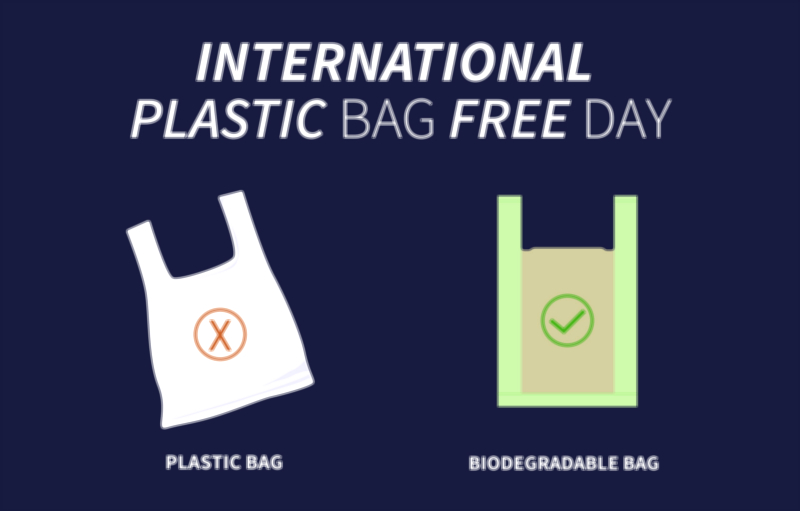
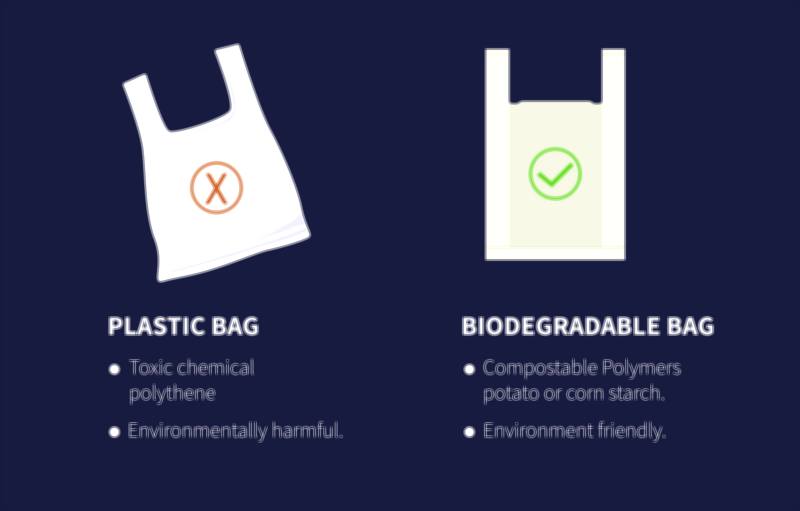
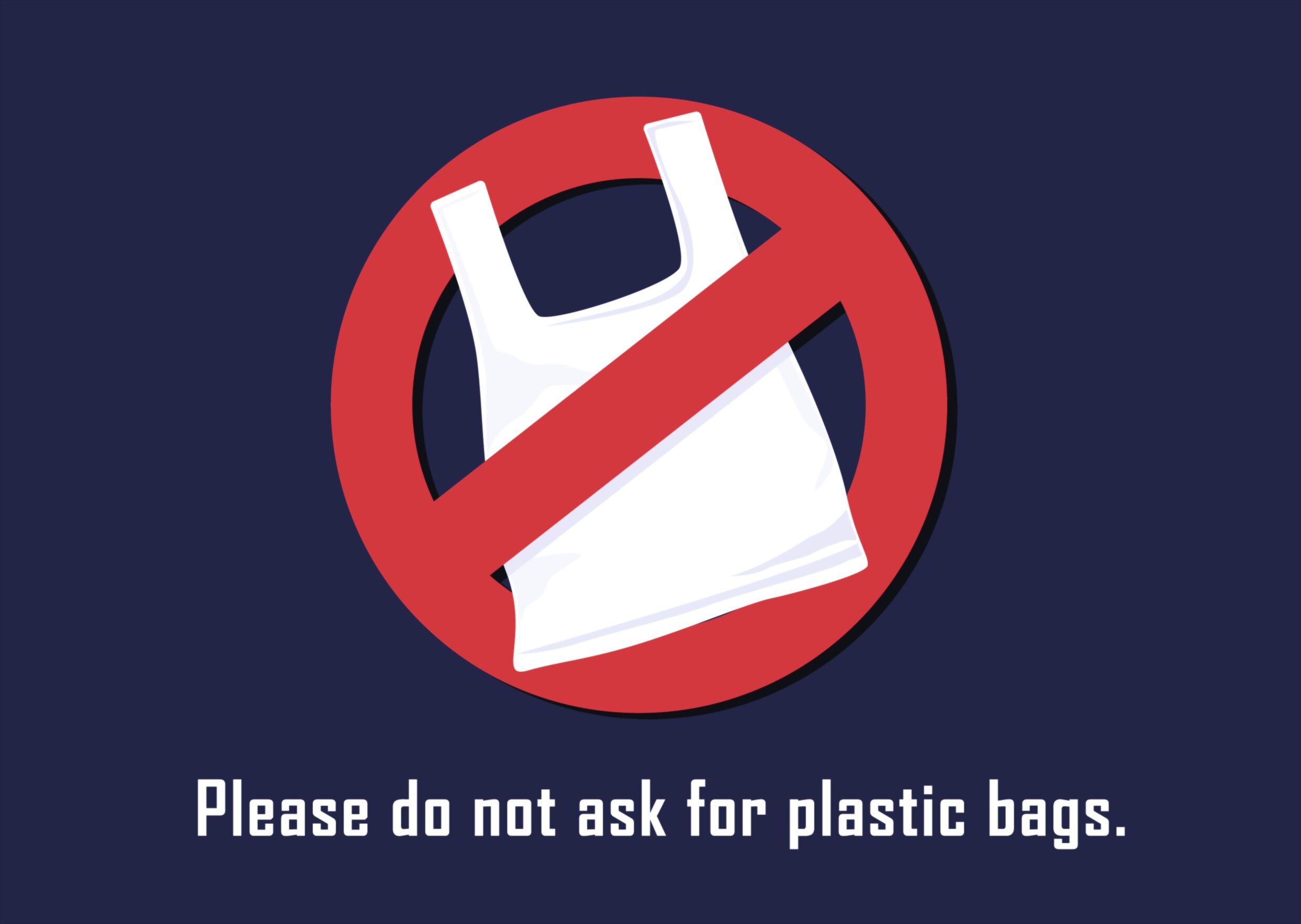
The harmful impact of plastic does not mean that solutions are impossible. The shift toward sustainability begins with reducing single-use plastics, improving waste segregation and recycling, and encouraging the development of biodegradable materials and reusable alternatives. Public behavior plays a key role: carrying cloth shopping bags, choosing reusable bottles and containers, refusing unnecessary packaging, and supporting eco-friendly brands reduce the demand for disposable plastics. Policies and regulations — such as bans on single-use items, extended producer responsibility for plastic manufacturers, and incentives for recyclable packaging — strengthen environmental protection. Innovations such as compostable materials, plastic-eating microbes, and circular-economy recycling models give hope for long-term transformation. Community clean-up movements, education programs for schools, and media campaigns help build social responsibility and cultural change around plastic use.
The story of plastic is a powerful reminder that a material created for convenience has become one of the greatest environmental threats of our time. Plastic persists for centuries, infiltrates ecosystems, harms wildlife, affects human health, and burdens the climate and economy. Yet the same human innovation that created modern plastics can fuel solutions — sustainable alternatives, responsible consumption, and stronger ecological awareness. Protecting the planet begins with recognizing that every piece of plastic thrown away has a destination and a consequence. Reducing plastic use is not merely a personal choice but a collective responsibility to safeguard the Earth’s ecosystems, prevent further environmental damage, and ensure a cleaner, healthier future for generations to come.