Stop Using Plastic Use-and-Throw Products – Environmental Awareness, Ecological Damage, Human Health Risks, and Sustainable Lifestyle Transformation for a Cleaner, Safer Planet
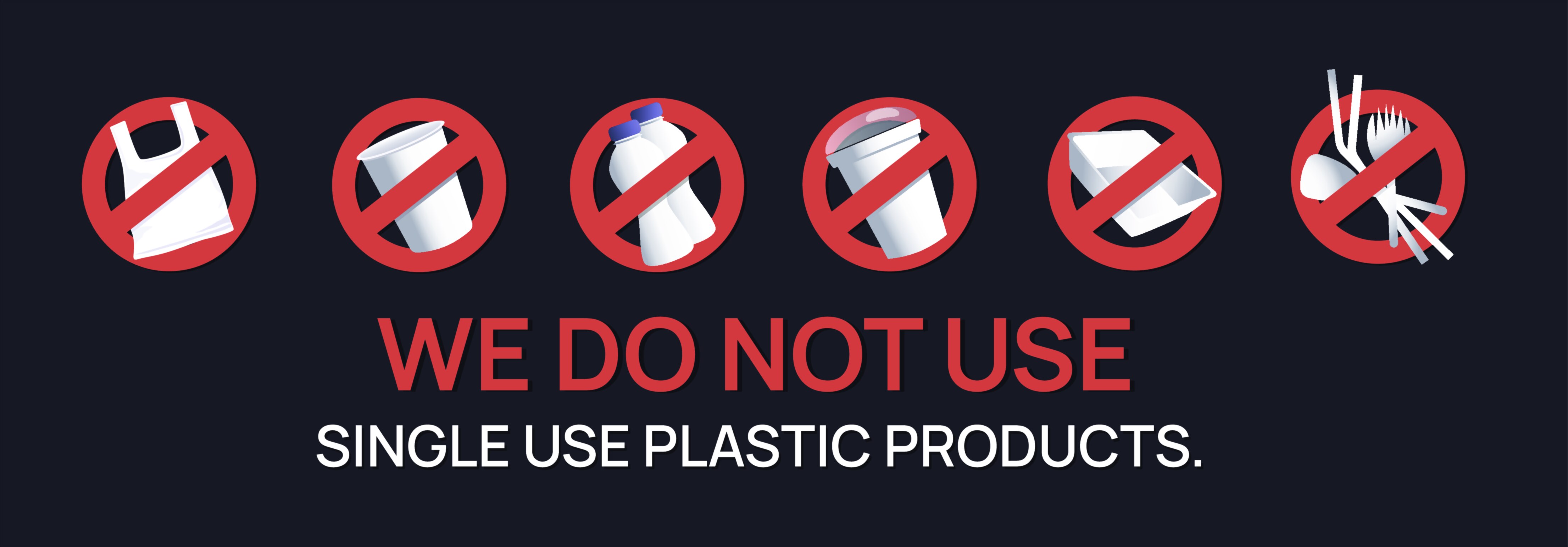
Plastic use-and-throw products are among the most common conveniences of modern life, yet they are also among the most dangerous threats to environmental health. Items such as plastic bags, cups, plates, straws, spoons, water bottles, food containers, wrappers, and packaging are designed for only a few minutes of use before being discarded. Their short utility disguises their long-term consequences, because unlike natural materials that decompose quickly, plastic remains in nature for hundreds to thousands of years. A single plastic bag used for ten minutes may outlive several human generations, breaking down slowly into microplastics that spread through soil, rivers, oceans, and the air. When environmental awareness campaigns call out “Stop Using Plastic Use-and-Throw Products,” they are urging society to recognize the invisible chain reaction triggered by everyday convenience. The statement reminds us that plastic items thrown carelessly today become toxic pollutants tomorrow, harming wildlife, polluting ecosystems, contaminating food and water, and ultimately endangering human life.
The rise of plastic use-and-throw culture began with industrial development and the popularity of disposable packaging for fast food, grocery shopping, and commercial products. The promise of convenience overshadowed environmental responsibility. Many consumers developed habits of quick consumption paired with quick disposal, believing that waste disappears once thrown away. Yet plastic does not disappear. It accumulates — in landfills, in open fields, in streets, in drainage systems, in rivers, and eventually in the ocean. Landfills overflow and leak toxins into soil and groundwater. Drainage systems clog, increasing flooding during rainstorms. Plastic blown by the wind blankets farmland, smothering fertile soil and disrupting agriculture. When rain flushes plastic into streams, the debris travels long distances, damaging ecosystems far beyond the place where it was discarded. The problem is global, not local, as oceans become the final dumping ground for plastic used-and-thrown in homes, markets, malls, restaurants, and schools. The durability of plastic — the trait once celebrated by manufacturers — becomes its greatest environmental danger.
The harmful impact of single-use plastics is most visible in marine environments. Every year, millions of tons of plastic enter oceans, forming massive pollution zones such as the Great Pacific Garbage Patch. Sea animals are among the first victims. Turtles mistake floating bags for jellyfish and swallow them, leading to choking or intestinal blockage. Fish ingest tiny plastic fragments along with plankton and slowly starve due to digestive obstruction. Seabirds feed brightly colored plastic pieces to their chicks, unaware of the danger. Dolphins, whales, and seals become entangled in abandoned fishing nets and plastic ropes, suffering injuries, suffocation, or death. Coral reefs — which host one-quarter of the world’s marine biodiversity — become susceptible to disease when plastics carry pathogens across the ocean. These tragedies illustrate that plastic waste is not just garbage; it is a lethal weapon that turns natural habitats into death traps.
On land, the consequences are just as destructive. Farmlands contaminated with plastic lose their ability to absorb water, air, and nutrients, slowing plant growth and reducing crop yields. Livestock grazing near waste sites accidentally consume plastic fragments, which build up in their digestive systems and cause illness or death. Forests and wildlife reserves accumulate plastic rubbish discarded by hikers and tourists, disrupting natural beauty and ecosystem functioning. Urban areas face persistent litter that takes decades to degrade and releases harmful chemicals as it breaks down. Floods intensify when plastic waste clogs drainage channels, causing severe property damage and increasing the potential for mosquito-borne diseases. The repeated cycle of littering, landfill overflow, and environmental degradation shows that plastic use-and-throw products create a problem that extends far beyond the moment of disposal.
A less visible but even more alarming consequence of plastic pollution is the spread of microplastics and nanoplastics. As plastic objects deteriorate, they fragment into particles smaller than grains of sand. These particles infiltrate rivers, drinking water, agricultural soil, indoor air, marine animals, and processed food. Scientific studies have detected microplastics in human blood, lungs, digestive tissues, and even in the placenta of unborn babies. Microplastics carry chemical additives and pollutants, including BPA, phthalates, and heavy metals, which interfere with hormones, weaken immunity, and increase long-term risks for chronic diseases. When environmental campaigns encourage society to stop using plastic use-and-throw products, they are not simply promoting cleanliness — they are protecting human health from toxic exposure that begins with careless consumption and disposal.
The climate crisis is also deeply connected to plastic waste. Most plastics are manufactured from fossil fuels, meaning that plastic production contributes directly to greenhouse gas emissions, climate instability, and resource depletion. Extraction of petroleum and natural gas, refining, and manufacturing generate large amounts of carbon dioxide and methane. When plastic is burned in incinerators — a common disposal practice — it releases toxic smoke along with greenhouse gases. Even when left in landfills, plastic slowly emits methane as it breaks down. Therefore, reducing plastic use-and-throw items benefits not only oceans and land but also the global climate.
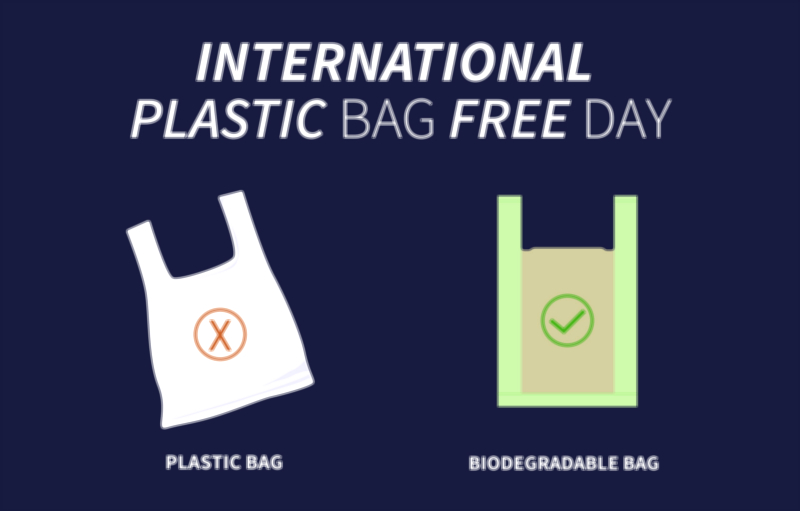
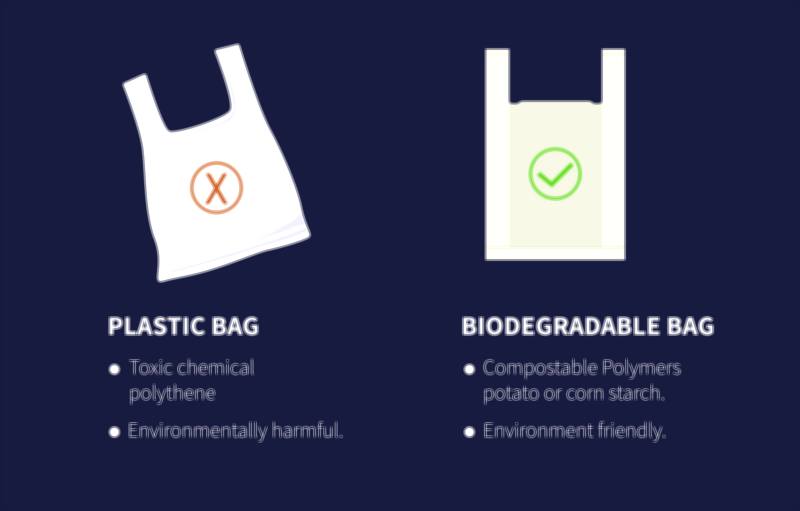
Despite the catastrophic effects, the solution is not out of reach. The first step toward environmental protection is reducing dependence on disposable plastics. Individuals can drastically lower plastic waste through small, consistent lifestyle changes. Carrying reusable cloth bags instead of plastic bags prevents hundreds of plastic bags from entering the environment each year. Using metal or glass water bottles eliminates throw-away bottles. Choosing reusable lunchboxes, wooden or steel cutlery, bamboo straws, metal tiffins, and refillable containers helps prevent daily plastic accumulation. Refusing plastic packaging whenever possible — buying loose vegetables, using eco-friendly wrapping, and choosing products with sustainable packaging — reduces waste at the source. When one household adopts plastic-free habits, waste decreases significantly; when entire communities participate, environmental transformation becomes visible.
Awareness plays a tremendous role in motivating change. Posters, banners, public ads, school projects, social media posts, and campaigns using messages such as “Stop Using Plastic,” “Refuse Single-Use,” “Plastic-Free Lifestyle,” and “Protect Nature from Plastic Waste” inspire individuals to reflect on their habits. When awareness materials include emotional imagery — animals harmed by plastic, oceans filled with waste, or children holding polluted Earth — they help viewers understand that plastic pollution is a shared responsibility. Education programs in schools, youth clubs, and community groups encourage the younger generation to build environmentally conscious habits early in life. Many organizations now run cleanup drives, plastic collection programs, and zero-plastic events to demonstrate real-world environmental responsibility.
Sustainable change becomes even stronger when governments, businesses, and society work together. Bans on plastic bags, straws, and disposable packaging encourage innovation and reduce unnecessary plastic circulation. Businesses offering refill stations, eco-friendly packaging, and incentives for reusable containers help make sustainable choices easier for customers. Local governments that invest in waste management, recycling centers, composting programs, and public education campaigns create long-term environmental benefits. Citizens who follow waste segregation, avoid littering, and support eco-friendly markets amplify these positive outcomes. Plastic pollution is not caused by one industry — it is caused by collective daily habits. Therefore, the solution also depends on collective daily decisions.
Stopping the use of plastic use-and-throw products is not just about rejecting convenience; it is about safeguarding the Earth and all life that depends on it. Plastic waste threatens oceans, land, wildlife, climate balance, food safety, and human health. Yet every individual has the power to reverse this damage through conscious choices. Each time a person refuses a plastic bag, carries a reusable bottle, avoids disposable packaging, or spreads awareness among friends and family, a positive ripple effect begins. Environmental protection depends not only on policies and technology but on people understanding that sustainability is a responsibility shared by all. When society collectively chooses to end the throw-away mindset, the Earth gains a chance to heal.
In the end, “Stop Using Plastic Use-and-Throw Products” is more than a slogan — it is a promise to live in harmony with nature rather than at its expense. It is a pledge to protect oceans, forests, animals, soil, air, and future generations. It is an invitation to build a cleaner, greener world where convenience is not valued more than life. By refusing disposable plastics, choosing reusable alternatives, and spreading awareness, every individual becomes part of the solution. Protecting the environment begins with a single choice, repeated daily, until sustainability becomes not just a habit but a culture. Through awareness, action, and compassion, humanity has the power to create a world where the Earth thrives — not despite us, but because of us.