Biodegradable Plastic Alternatives for Sustainable Living – Eco-Friendly Materials, Environmental Benefits, Everyday Applications, and the Shift Toward a Plastic-Free Future
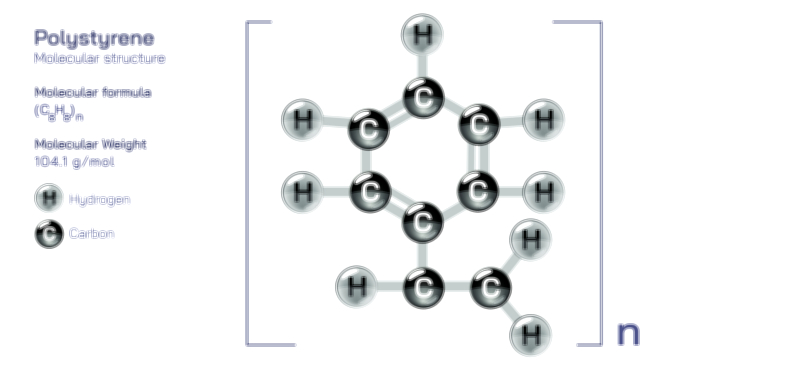
Biodegradable plastic alternatives are becoming one of the most important pillars of sustainable living because they offer the functionality and convenience of plastic without causing centuries of environmental damage. For decades, traditional petrochemical plastic has dominated packaging, household goods, products, and daily-use items, yet its resilience in nature has created an overwhelming crisis of pollution. Plastic does not biodegrade; it only fragments into microplastics that contaminate soil, rivers, oceans, air, and food chains. This pollution harms wildlife, threatens ecosystems, burdens landfills, intensifies climate change, and raises concerns regarding human health. The search for biodegradable and eco-friendly alternatives is therefore not merely a trend — it is an urgent necessity for the survival of the planet. The shift toward biodegradable materials connects innovation, environmental science, agriculture, manufacturing, and consumer awareness, building a future where everyday products no longer remain in the environment for hundreds of years but instead return safely to the Earth.
Biodegradable alternatives differ fundamentally from plastic because their chemical structure allows microorganisms such as bacteria and fungi to break them down into natural components like water, carbon dioxide, and organic matter. This biodegradation happens within months to a few years depending on the material and disposal environment, in contrast to plastic, which can persist for up to a thousand years. Many biodegradable materials are derived from renewable plant-based resources instead of fossil fuels. This gives them two ecological advantages: their sourcing does not rely on petroleum, and their decomposition integrates with natural life cycles. Examples include materials made from corn starch, sugarcane fiber, cassava starch, potato starch, cellulose, rice husk, wheat straw, bamboo, hemp fiber, jute, coconut shells, palm leaves, seaweed derivatives, polylactic acid (PLA), polyhydroxyalkanoates (PHA), and compostable polymers created through fermentation processes. Each of these materials has unique properties suitable for different applications — packaging, food service products, household goods, agriculture, and even industrial manufacturing.
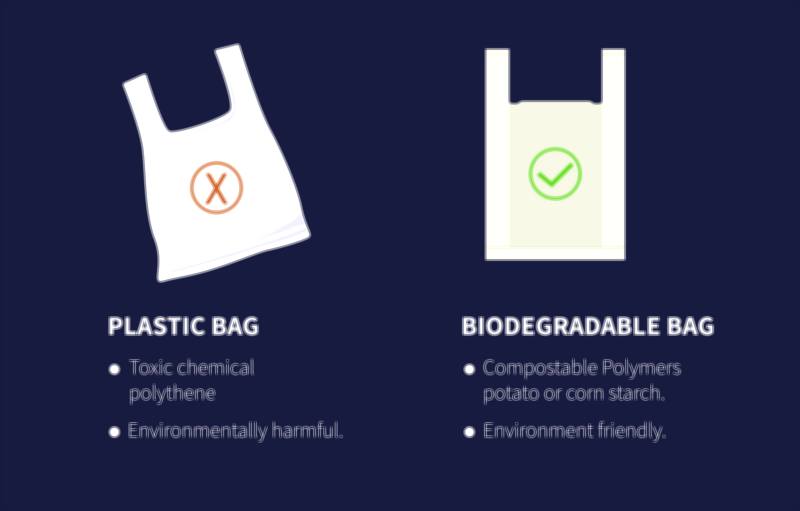
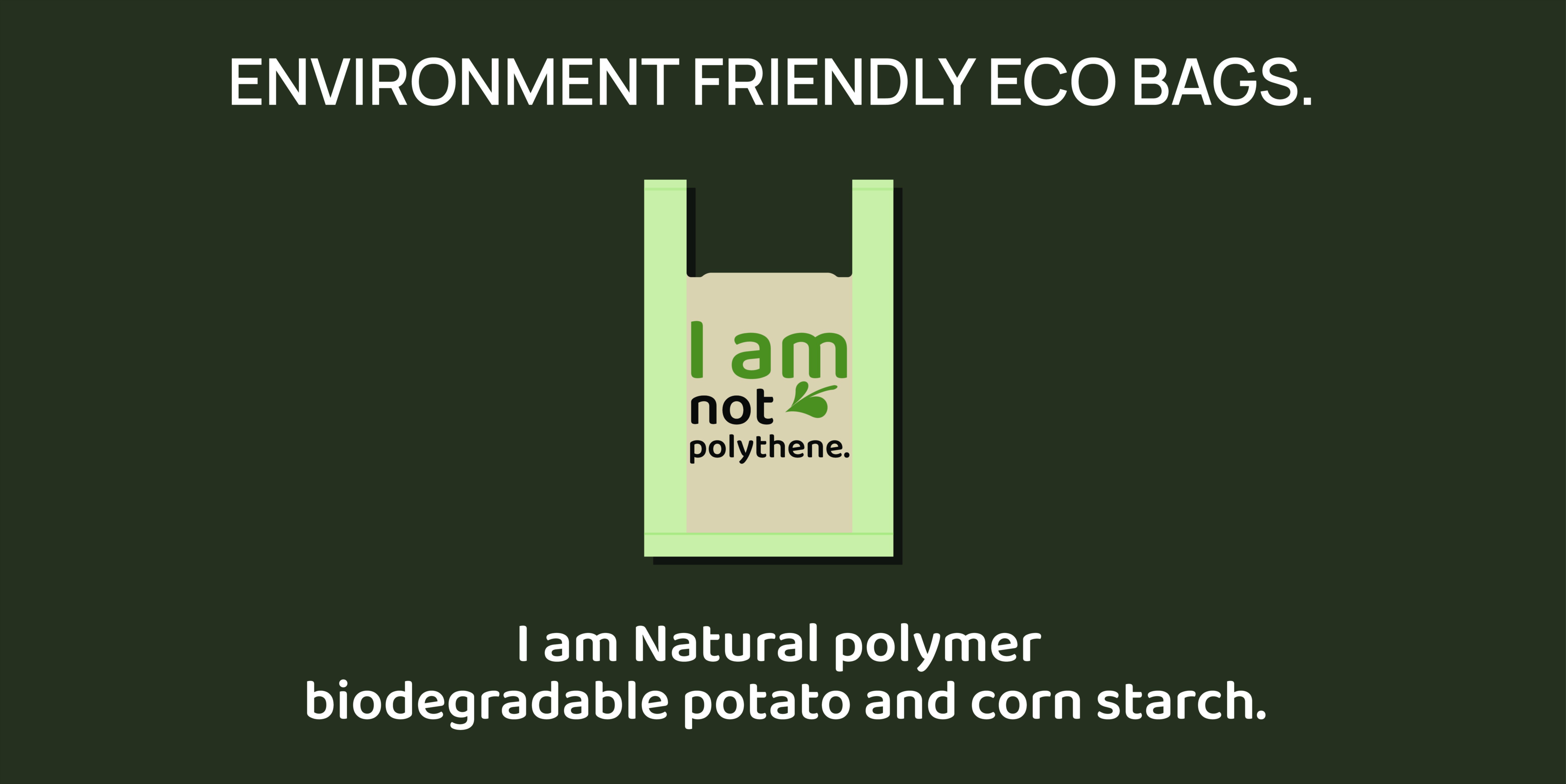
One of the most widespread biodegradable alternatives to plastic is plant-based compostable packaging. Rather than producing bags and wrappers from polyethylene and polypropylene, manufacturers now develop packaging from starch-based polymers, cellulose films, and PLA compounds. These materials mimic the lightweight transparency and durability of plastic while being compostable in appropriate conditions. They are already used in bakery wrappers, produce bags, shopping bags, courier packaging, and disposable sanitary products. Sugarcane bagasse and bamboo fiber have emerged as sustainable materials for bowls, trays, plates, and takeaway food containers. Unlike plastic containers that release toxins when heated, these natural fiber materials are safe for hot foods and do not leach hazardous chemicals. They are also free from petroleum-based additives, meaning that when composted, they enrich soil instead of contaminating it.
Cutlery and drinking-straws represent another major category of single-use plastics that can be replaced by biodegradable alternatives. Bamboo spoons, wooden forks, rice husk cutlery, and edible spoons made from grains are now available as eco-friendly solutions. Plant-based straws made from wheat stems, bamboo, sugarcane fiber, or pasta have replaced plastic straws in many cafés and restaurants as part of sustainable hospitality practices. These items maintain convenience while eliminating long-term pollution. For beverages, reusable bamboo, stainless steel, copper, and glass straws offer even stronger sustainability because they eliminate waste entirely.
Biodegradable garbage bags and compost liners are becoming increasingly essential in households, restaurants, and waste-collection systems. Traditional polyethylene garbage bags are among the most persistent forms of plastic pollution because they are constantly replaced and discarded. Compostable garbage bags made from corn starch or PLA break down into natural components in composting environments. They support waste segregation by allowing organic waste to decompose without plastic contamination, which in turn nurtures healthy compost and improves soil quality. This shows how biodegradable materials can strengthen not only environmental protection but also agricultural sustainability and circular waste-management systems.
In the clothing industry, biodegradable materials are gaining attention as replacements for synthetic fibers such as polyester, acrylic, and nylon. Fibers created from bamboo, hemp, organic cotton, jute, and banana stems provide a natural feel, high durability, and full biodegradability. Clothing made from algae-based yarn and seaweed-derived textiles represents the latest innovation in sustainable fashion. The fashion industry has been one of the largest contributors to microplastic pollution due to synthetic fibers shedding during washing; biodegradable textiles therefore play a crucial role in reducing microplastic release into waterways and oceans.
One of the most advanced categories of biodegradable plastic alternatives includes biopolymers such as PLA and PHA. PLA is commonly used for disposable cutlery, containers, packaging, and 3D printing. It is derived from fermented starch sources like corn or sugarcane and is compostable under industrial composting conditions. PHA, produced naturally by bacteria, is even more promising because it biodegrades in soil, compost, and marine environments. This means PHA-based products can break down safely even if they reach oceans, dramatically reducing the risk to marine wildlife. Biopolymers represent an evolution from single-use petroleum plastics toward renewable and regenerative materials.
Biodegradable alternatives also play a significant role in agriculture. Instead of polyethylene mulch sheets — which must be removed manually and often leave behind plastic fragments — farmers now use biodegradable mulch films made from starch blends and cellulose. These films suppress weeds, regulate soil temperature, and conserve moisture like conventional mulch, but they decompose into the soil after harvest, eliminating plastic pollution and labor costs. Coconut coir, jute mats, and compostable nursery pots support plant growth without contributing to microplastic contamination. Agriculture becomes more sustainable when materials return to the soil instead of polluting it.
However, adopting biodegradable alternatives requires awareness of correct disposal practices. Not all biodegradable products decompose under the same conditions. Some biodegrade in home compost bins, while others require high-temperature industrial composting facilities. When mixed carelessly with regular plastic waste, even biodegradable materials may not break down properly. This highlights the need for environmental education, waste segregation, government support, and improved composting infrastructure. Consumers play a key role by identifying certified biodegradable and compostable products and ensuring they are disposed of responsibly.
The transition to biodegradable alternatives is not only environmental — it is also cultural and behavioral. People are increasingly recognizing that plastic convenience has hidden environmental costs. Reusable lifestyles reinforce this transformation: cloth bags instead of plastic shopping bags, refillable bottles instead of disposable ones, metal lunchboxes instead of throw-away containers, bamboo toothbrushes instead of plastic toothbrushes, and compostable sanitary products instead of synthetic variants. When households, schools, shops, workplaces, and hospitality businesses adopt biodegradable alternatives alongside reusable habits, the cumulative impact becomes powerful.
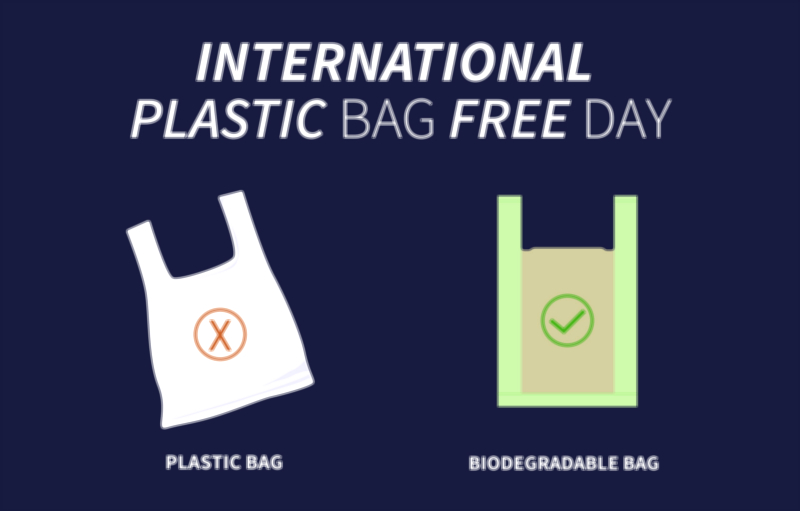
Global environmental movements and sustainable living campaigns have been strengthened by the visibility of biodegradable materials. Schools conduct plastic-free events, corporate offices implement zero-waste policies, restaurants eliminate plastic cutlery, and governments introduce bans on single-use plastics. E-commerce brands and packaging industries are investing in compostable and biodegradable packaging to minimize their ecological footprint. Many cities now encourage plastic-free shopping days, community composting programs, and eco-exhibitions to promote awareness and sustainable innovation.
The shift toward biodegradable alternatives symbolizes a collective desire to heal the Earth rather than harm it. Every biodegradable bag, container, straw, garment, or packaging item used in place of plastic represents a step toward a cleaner planet, safer oceans, healthier soil, and a future free from microplastic toxicity. Biodegradable materials help build a circular economy in which products originate from nature and eventually return to nature without damaging the biological systems that support life.
In conclusion, biodegradable plastic alternatives are essential tools for sustainable living because they transform production, consumption, and disposal into eco-friendly processes. They replace petroleum-based plastics with renewable resources, reduce long-term pollution, protect wildlife, support soil and water health, reduce carbon emissions, and empower individuals and communities to make environmentally responsible choices. Sustainable living does not require perfection; it requires awareness, willingness, and consistent effort. When individuals adopt biodegradable alternatives and support responsible disposal systems, the world moves toward a future where human needs and environmental safety coexist harmoniously. Choosing biodegradable materials is not just a replacement for plastic — it is a statement of respect for the Earth, for living beings, and for the generations that will inherit the planet we shape today.