Stop Using and Throwing Plastic Waste – Environmental Protection, Causes of Pollution, Ecological Damage, Human Health Risks, and Sustainable Solutions for a Plastic-Free Future
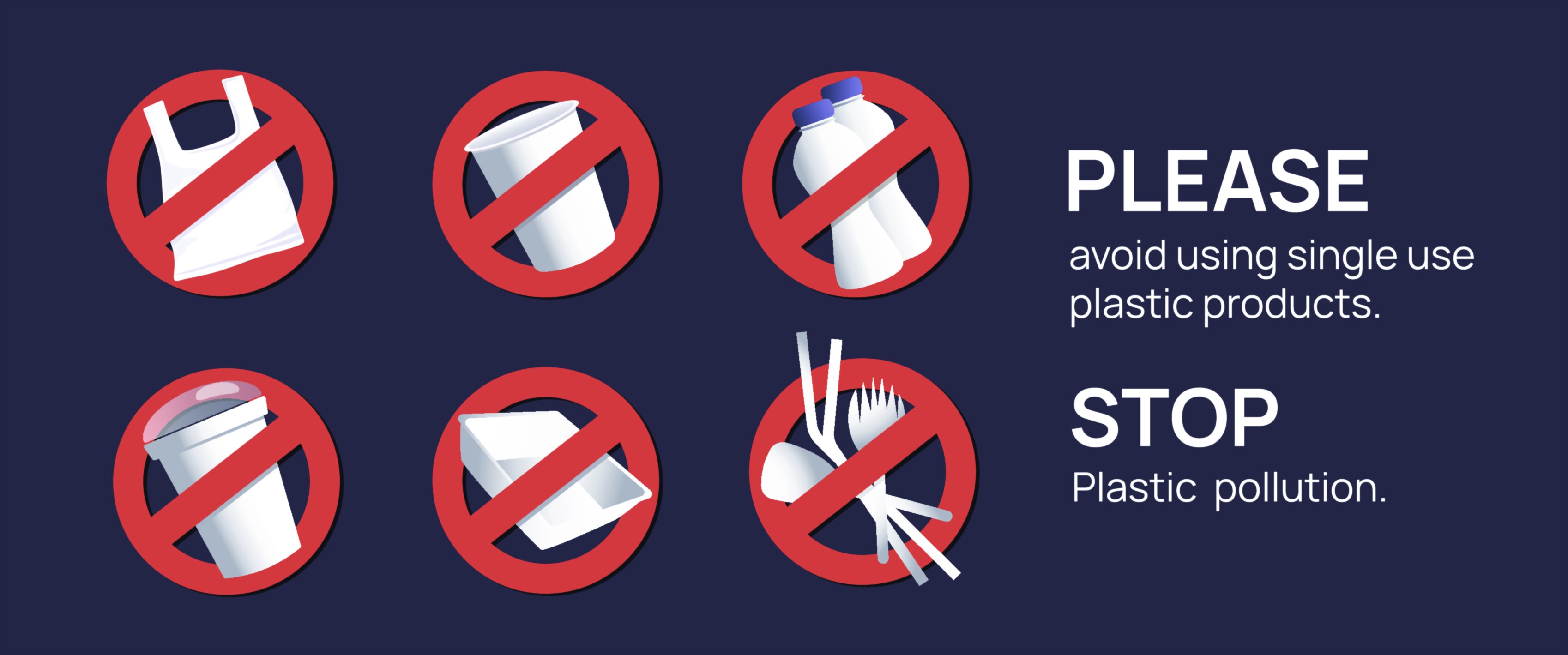
Plastic has become so embedded in daily life that people often use it without noticing — shopping bags used for minutes, food wrappers torn open and discarded instantly, plastic bottles emptied and thrown away, straws used once and forgotten. These items offer brief convenience but remain in nature for hundreds of years after disposal. A powerful environmental protection message such as “Stop Using and Throwing Plastic Waste” serves as a reminder that the problem begins not only with plastic production but with careless disposal and negligent consumer habits. The statement is a call to shift from a throw-away culture to one rooted in responsibility, awareness, and respect for the planet. It emphasizes that every piece of plastic tossed into the environment ultimately returns to us in damaged ecosystems, food chains, soil fertility decline, polluted rivers and oceans, and even contaminated drinking water. The solution begins when individuals see plastic not as a harmless everyday item but as a long-lasting pollutant with real consequences for Earth and for human health.
The plastic waste crisis starts with overconsumption and single-use culture. Millions of tons of plastic products are manufactured each year, and most of them are designed for only one use. The majority of plastic waste comes from packaging — bottles, containers, wrappers, cups, plates, cutlery, and bags — which are used briefly and disposed of almost immediately. Because these plastics are lightweight, they blow away from dumpsites and landfills into streets, rivers, and oceans. The problem worsens when people litter without understanding the environmental damage caused by their actions. A plastic bag thrown out of a window, a bottle dropped on the beach, or a food wrapper left in a park may travel hundreds of kilometers before breaking into toxic pieces that contaminate entire ecosystems. When the message says stop using and throwing plastic waste, it is urging society to realize that careless disposal choices have a permanent environmental footprint.
One of the most visible impacts of plastic waste is the deterioration of natural landscapes and habitats. Plastic spreads easily along coastlines, mountains, forests, fields, and seashores, disrupting the visual beauty and ecological balance of natural areas. Wildlife is the first to suffer. Many animals mistake plastic for food because its shape, color, or smell mimics natural prey. Sea turtles swallow plastic bags that resemble jellyfish, fish consume microplastics mixed with plankton, seabirds feed plastic fragments to their chicks, and cows grazing near garbage sites eat plastic unknowingly. Plastic accumulates in their digestive systems, causing internal injuries, starvation, and death. Larger plastic items such as fishing nets, rings, and ropes entangle marine mammals, birds, and aquatic creatures, restricting their movement and leading to drowning or suffocation. These tragedies highlight that animals are paying the price for human negligence.
The invisible side of the crisis is microplastic pollution — particles smaller than 5 millimeters that form when larger plastic objects break down after years of sunlight exposure, water erosion, and physical wear. Microplastics infiltrate soil, rivers, oceans, food chains, and even the air. They cling to crops, mix with agricultural soil, and reduce fertility. They enter fish, shellfish, sea salt, drinking water, and eventually human bodies. Researchers have discovered microplastics in human blood, lung tissue, and placenta, raising concerns about long-term health effects. Microplastics can carry toxic chemicals such as BPA, phthalates, and flame retardants, which disrupt hormones, damage cells, and increase risks of illnesses. When the campaign message demands that people stop throwing plastic waste, it is warning that plastic left in the open does not disappear — it becomes an invisible toxin that returns to our bodies.
Plastic waste also intensifies climate change. Plastic is made from fossil fuels like crude oil and natural gas, contributing to greenhouse gas emissions during extraction, refining, manufacturing, and transportation. When plastic is burned as a waste-management method, it releases carbon dioxide along with dangerous gases such as dioxins, methane, and toxic smoke. When plastic breaks down slowly in landfills, it releases methane, a greenhouse gas far more potent than carbon dioxide. The plastic crisis therefore contributes directly to global warming, environmental instability, and rising sea levels. Protecting the environment requires reducing not only carbon emissions but also the production and disposal of plastics.
Stopping the use and disposal of plastic waste is not just a plea — it is a practical and achievable strategy. It begins with reducing single-use plastic consumption, choosing reusable products such as cloth bags, metal bottles, storage containers, and wooden or bamboo utensils. When people make small daily changes — like bringing their own bags for shopping, refusing plastic straws, carrying personal water bottles, saying no to disposable cutlery, and avoiding over-packaged goods — the collective environmental benefit becomes enormous. Recycling also plays a role, but the truth is that only a fraction of plastic is successfully recycled due to contamination and lack of proper systems. Therefore, reducing usage remains more effective than relying on recycling alone.
To stop plastic waste from entering the environment, responsible disposal and waste segregation are crucial. Plastics must be separated from organic waste and other recyclables so they can be processed properly. Community awareness programs, school projects, corporate clean-earth initiatives, and government policies — such as bans on single-use plastics — support this global shift. Beach clean-ups, volunteering groups, and anti-littering campaigns help remove existing waste while educating the public. When people see others participating, environmental protection becomes a shared value rather than an individual burden.
Environmental campaigns using posters, banners, logos, taglines, and visual storytelling can inspire action. Phrases like “Stop Plastic, Save Earth,” “Plastic-Free Future,” “Refuse Single-Use,” “Protect Our Planet,” and “Your Choice Matters” give emotional and motivational energy to the movement. Images of sea turtles offering a warning, Earth trapped inside a plastic bag, trees suffocated in garbage, or children holding placards create compelling awareness. When environmental protection messages appear at beaches, markets, schools, offices, community centers, social media platforms, and digital advertisements, they reinforce the idea that every person has a role in preventing pollution.
In the end, stopping the thoughtless use and throwing of plastic waste is not just an ecological necessity — it is a moral responsibility. Plastic does not disappear when thrown away; it becomes part of the air we breathe, the water we drink, and the land we depend on. Every time an individual refuses a plastic item, chooses a reusable alternative, or disposes of waste responsibly, the planet becomes cleaner, safer, and healthier. Environmental protection begins with awareness, grows through responsibility, and succeeds through collective action. Saying no to plastic and preventing its careless disposal is one of the strongest commitments humanity can make toward preserving life on Earth — for nature, for ourselves, and for generations yet to come.