Comprehensive Overview of Environmental Microbial Forces Across Living Systems
Environmental viruses, flu agents, parasites, and bacteria exist as an intricate network of microscopic forces that influence nearly every element of life. They inhabit soil, water, vegetation, animals, and human communities, forming a dynamic field of biological activity that continuously shifts with seasons, climate, and ecological movement. These organisms are extraordinarily diverse in structure, behavior, and survival strategies, yet all possess the ability to shape health, stability, and natural balance in ways that are often unseen but deeply significant. Understanding how they operate enhances awareness and empowers communities to adopt everyday habits that maintain wellbeing without interrupting the broader ecological system.
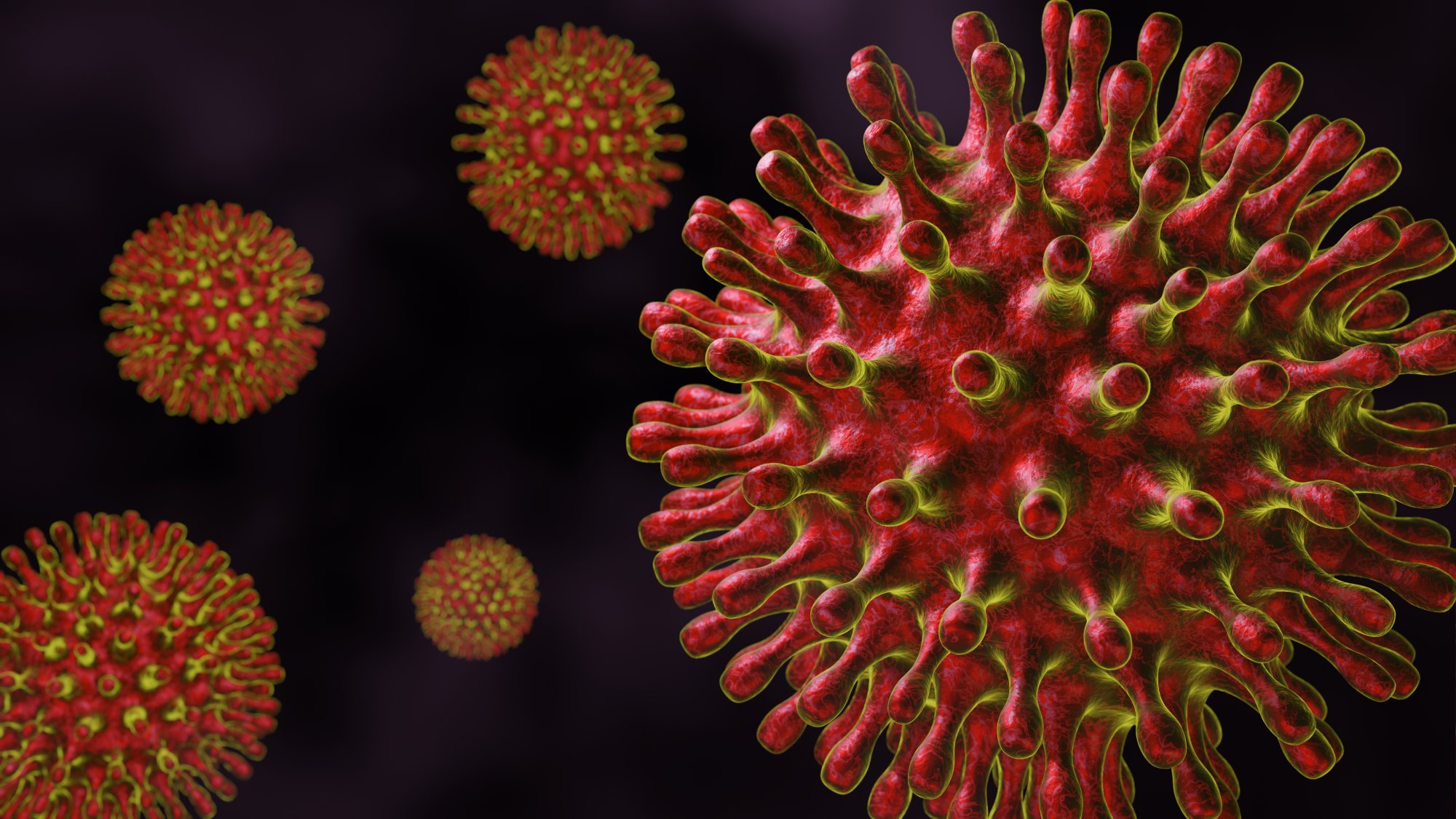
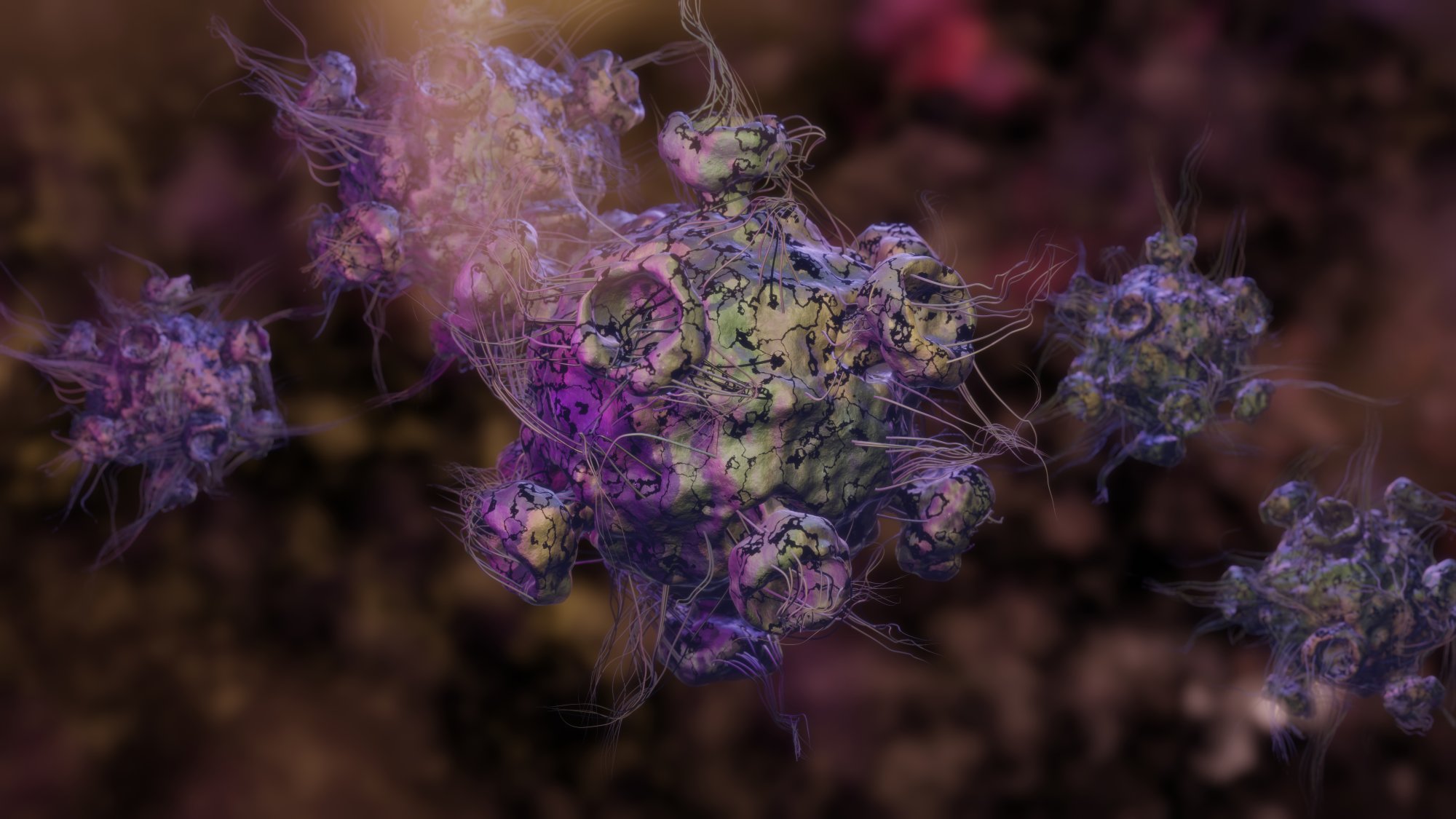
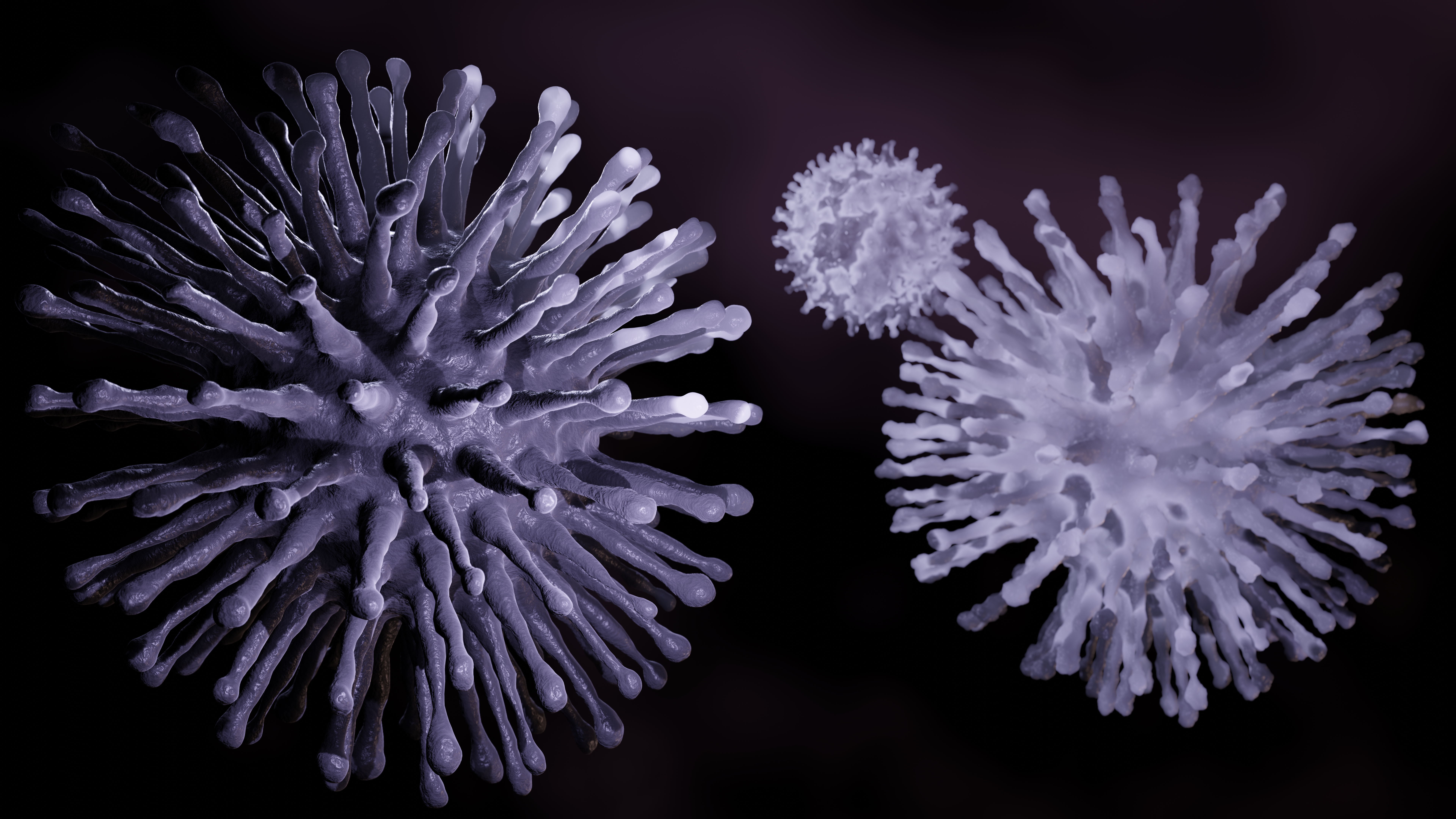
Viruses in the environment are among the most widely distributed biological entities on Earth. Some remain inactive until they enter a suitable host, while others travel through droplets, contact surfaces, or soil particles. Flu agents add seasonal complexity, thriving during particular temperature ranges and humid conditions that allow them to persist longer outside a host. During certain months, close indoor gatherings, reduced ventilation, and fluctuating climate patterns give these agents opportunities to spread more effectively. Their influence becomes visible when waves of symptoms appear, motivating individuals to strengthen personal and community-level protective actions.
Parasites form another central dimension of environmental biological activity. Many rely on multifaceted life cycles involving insects, animals, water bodies, or vegetation. Some species remain hidden in soil or improperly managed food, while others travel through insects or stagnant areas. Once inside a host, parasites may influence digestion, energy levels, and overall vitality. Their impact is shaped by geography, weather, sanitation, and lifestyle. Awareness of common habitats, local advisories, and safe daily routines significantly reduces unwanted encounters, especially in areas where changing climate patterns expand habitats of parasitic vectors.
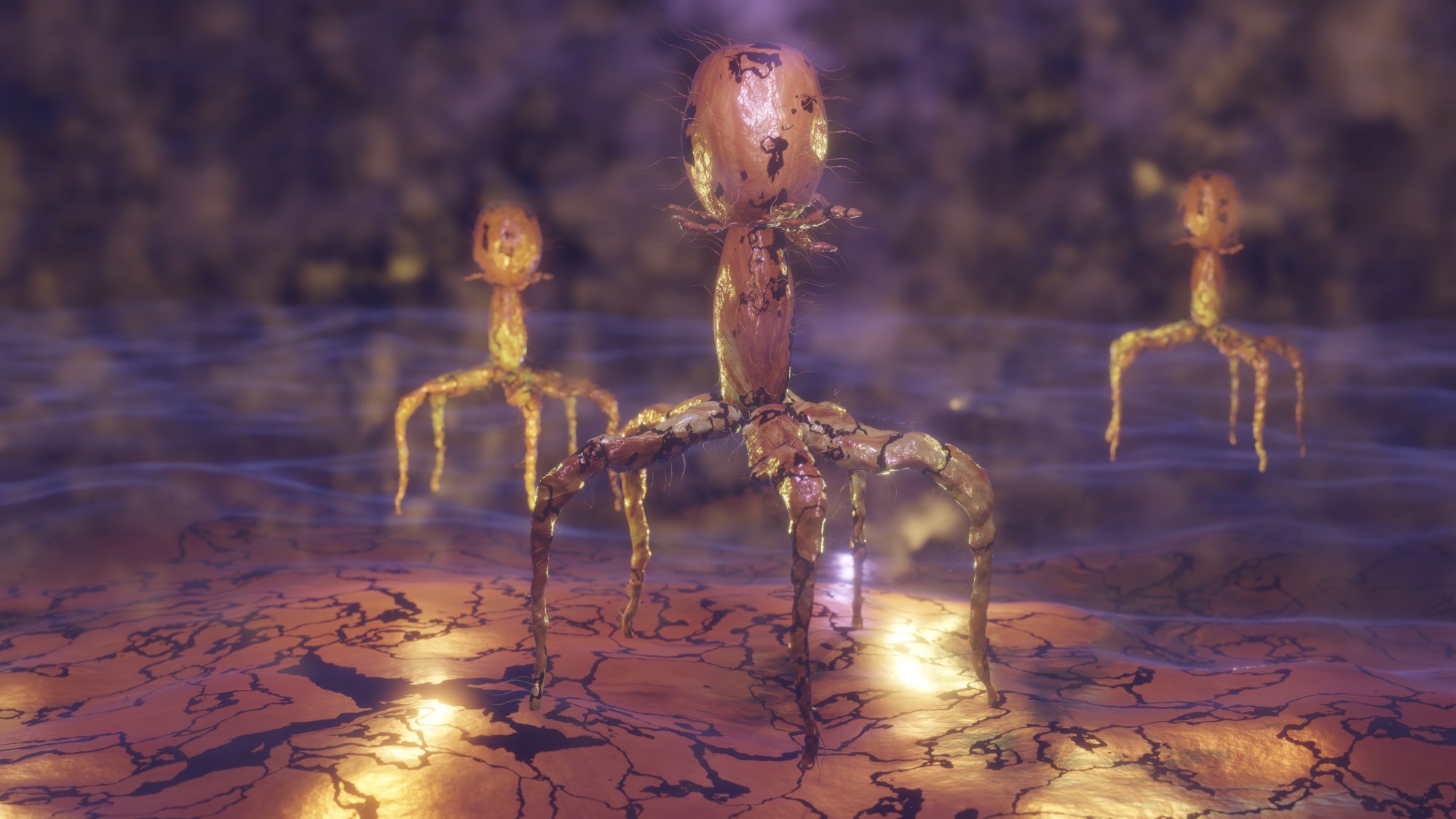
Bacteria, present across nearly every natural and artificial surface, serve functions ranging from essential ecological support to potential illness. Beneficial species assist in nutrient cycling, soil enrichment, and plant growth. However, harmful varieties may populate unclean surfaces, poorly stored foods, or contaminated water sources. Changes in temperature, hygiene habits, or environmental management can allow these harmful bacteria to multiply. Fortunately, simple everyday steps—consistent handwashing, responsible food handling, clean water storage, and attentive sanitation—offer practical ways to maintain balance and minimize risks.
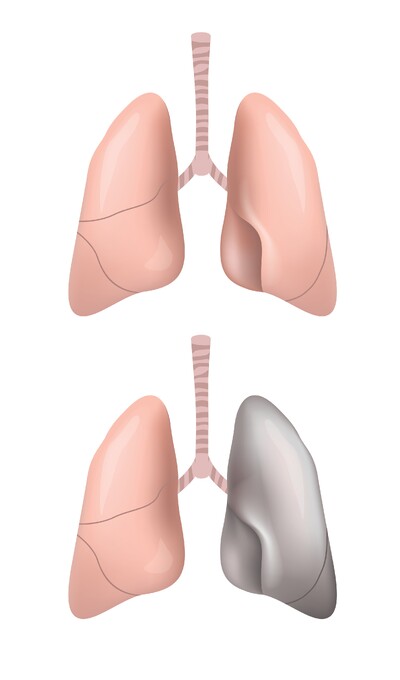
Infections arise when any of these microbial forces successfully establish themselves within a host. This process depends on environmental conditions, immune readiness, exposure level, and overall wellbeing. Living beings constantly interact with the natural world, which makes complete avoidance impossible and unnecessary. Instead, the goal is to create conditions that limit harmful exposure while supporting the planet’s natural microbial diversity. Strong community habits, accessible information, and early recognition of symptoms help create protective layers without disrupting ordinary life.
Caution becomes a meaningful part of daily routines when individuals understand how small choices influence broader safety. Clean living areas, mindful travel, responsible waste handling, and awareness of local microbial activity all reduce exposure. Ventilation, surface care, and safe distances during seasonal outbreaks provide simple yet powerful protection. Families and communities benefit greatly when these habits become shared practices rather than individual efforts.
Prevention is built upon familiarity and consistency. Using safe water, preparing food responsibly, staying aware of environmental shifts, and observing early signs of illness all contribute to a healthier, more stable living environment. These actions reduce transmission pathways, strengthen personal resilience, and support collective wellbeing. They also encourage people to interact with their surroundings thoughtfully, appreciating the balance between natural microbial presence and human health.
Taken together, environmental viruses, flu agents, parasites, and bacteria form an expansive field of biological activity that affects every aspect of life. Their patterns, movements, and interactions shape ecosystems, influence human behavior, and highlight the importance of awareness in everyday living. With informed caution and practical preventive measures, individuals and communities can navigate these forces confidently, maintaining safety while respecting the essential roles these organisms play within the planet’s ecological framework.