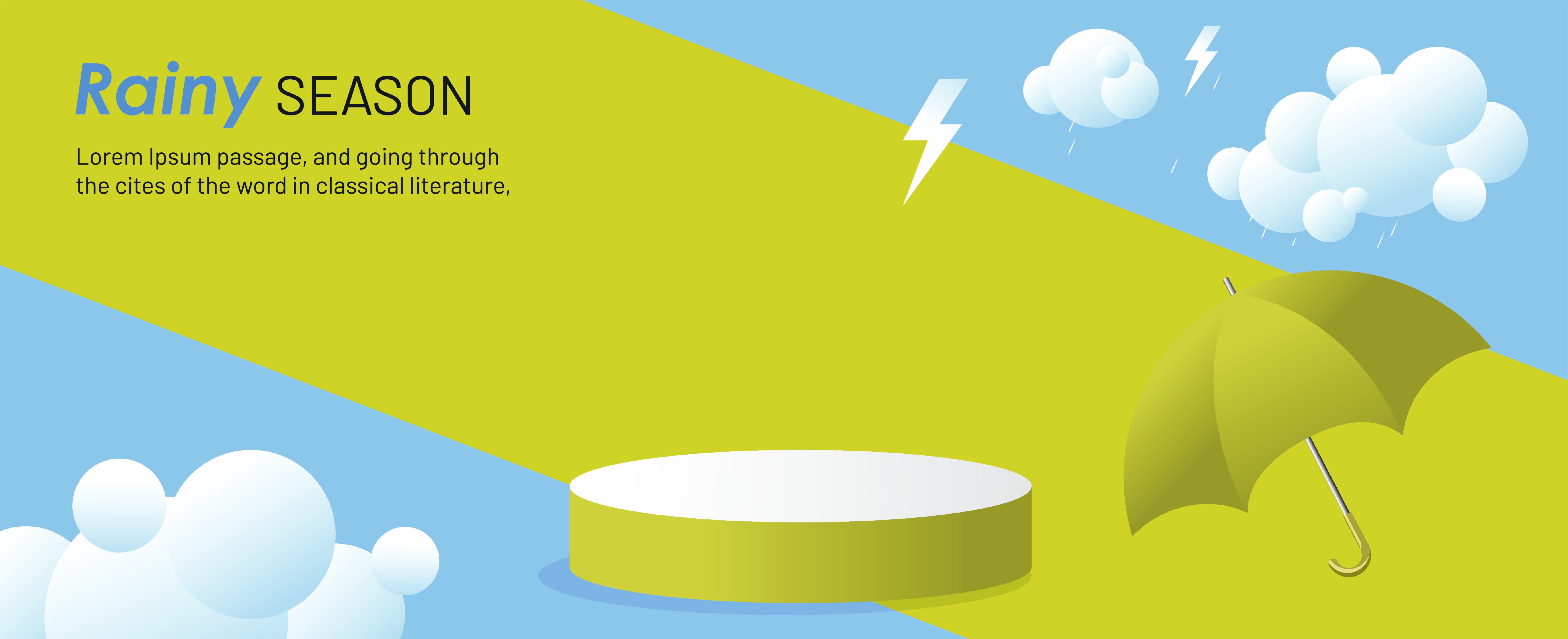
Rain Season – A Deep Descriptive Template with Clouds, Umbrella, and Nature Elements Capturing Weather Atmosphere, Emotional Landscape, and Seasonal Environmental Transformations
The rain season brings a distinct transformation to the environment, and the elements that symbolize it — clouds, umbrellas, greenery, and flowing water — shape both the physical world and human experience. This season is more than simply rainfall; it represents renewal, protection, adaptability, shifting moods, and nature’s rhythms. When rain clouds fill the sky, the appearance of the surroundings changes instantly: sunlight dims softly, air becomes cooler, winds carry moisture, and the landscape begins responding to the arrival of water. Plants open their leaves wide to receive nourishment, soil awakens from dryness, and rivers swell with life again. The presence of clouds marks the central visual symbol of the rain season — forming a roof of pale gray or deep charcoal across the sky, constantly changing shape, drifting in layers, and sometimes gathering into towering systems that signal powerful storms. Clouds do not merely obscure the sun; they create a softer world of diffused lighting, blurred horizons, and a momentary sense of calm before the rhythm of raindrops begins to fill the atmosphere.
The arrival of rain is always dramatic in movement and sound. Tiny droplets first land with a whisper on leaves, rooftops, and the ground, and then gradually grow into steady showers that transform every surface. The textured sound of rain — from the scattered tapping on metal shelters to the flowing rumble across tree canopies — becomes an acoustic identity of the season. Roads glisten with reflections of headlights and streetlights, puddles widen softly, and the breeze carries the refreshing smell of wet earth and vegetation. In many parts of the world, the “petrichor” scent that rises when raindrops touch dry soil is cherished because it signals transformation, awakening of fields, and new cycles of growth. Raindrops on window glass create patterns that shift with the wind, gently blurring the outside scenery while forming trails that reflect light like moving beads. Every detail — the rhythm, texture, scent, and motion — makes the rain season a sensory experience as much as a weather cycle.
In visual templates that illustrate rain season themes, the umbrella acts as a central human element, representing protection, comfort, and preparedness. Under an umbrella, people can continue walking, traveling, or working despite the shifting environment. Symbolically, umbrellas represent the way humans respond to nature — not resisting its power, but adapting gracefully to it. In artwork, posters, or creative layouts, umbrellas are often drawn in vibrant colors that contrast with the muted sky: bright yellow, red, blue, or striped patterns that stand out against shades of gray. The umbrella becomes an anchor within the rain scene, guiding the viewer to imagine a human presence even if the person is not directly visible. The curved shape of the canopy and the slender handle emphasize balance between fragility and protection. Whether illustrated in motion with raindrops bouncing off the fabric or shown resting open on the ground beside boots, the umbrella remains a symbolic icon of the season.
Clouds serve as the atmospheric layer in a rain-season visual template, forming a soft and dynamic background that fills the upper frame. Large rounded storm clouds convey heavy rainfall, while layered wispy clouds can show gentle drizzle or light rain showers. Their movement captures the changing energy of the season: drifting slowly during calm evenings or racing rapidly across the sky during gusty downpours. The type of cloud chosen for a template — dark cumulonimbus for thunderstorms or gentle nimbostratus for long rains — changes the emotional meaning of the visual. The deeper their hue, the stronger the sense of intensity; the lighter their shade, the gentler the feeling of peace. When lightning is included in the distance, the scene becomes dramatic and powerful, representing the strength of nature. Without lightning, the clouds portray tranquility, routine weather, and quiet nourishment of the environment.
Nature elements deepen the richness of the rain season template. Grassy fields, roadside plants, palm trees, forest shrubs, flower beds, or paddy fields respond visibly to rain. Raindrops collect on leaves, stream along stems, and drip steadily from branch tips onto the ground. Flowers partially close to protect delicate petals during heavy rainfall, while some species bloom vibrantly in wet seasons, using the moisture to stretch upward. Trees sway gently as raindrops slide across their surfaces, creating patterns of motion that show nature absorbing water. The presence of birds, butterflies taking shelter under leaves, or frogs sitting near puddles adds ecological storytelling and illustrates how animals adapt during rainy periods. Even soil becomes its own visible feature — rain carving tiny channels as it flows downhill, softening the earth for seed germination, and turning paths into muddy footprints that capture traces of movement.
Water bodies also transform dramatically during rain season. A peaceful pond becomes a surface covered with bouncing raindrop ripples. Nearby streams begin flowing faster, waterfalls swell, and rivers deepen in volume. The reflection of umbrellas, trees, and raindrops on water surfaces magnifies the emotional tone of a scene. Water puddles on sidewalks act like mirrors, capturing reflections of passing people and lights. When rain is heavy, mist can rise from the wet landscape, forming a gentle veil over trees, meadows, hills, or city streets. These features add mystery and cinematic depth to creative templates and digital illustrations.
Raindrops in a rain-season template are not simply straight falling lines. They vary in shape depending on artistic style — thin slanted streaks for heavy rain, small scattered droplets for drizzle, pearl-like beads for close-up macro views, or splashes when drops strike surfaces. In animation-inspired visuals, drops bounce off umbrellas with tiny star-shaped sparkles or exaggerated arcs; in realistic depictions, droplets roll down surfaces and merge into flowing streams. Even puddle splashes from footsteps or wheels convey motion and add life to the scene.
The emotional atmosphere of a rain season template depends heavily on lighting. Some rain images feel warm and comforting — soft golden evening light filtering through clouds, reflections of street lamps on wet pavements, and cozy warmth behind windows. Others portray cool hues — gray mornings, overcast afternoons, and blue tones that communicate quiet calm or introspective mood. The artistic direction of color and contrast defines whether the scene feels romantic, soothing, nostalgic, stormy, refreshing, dramatic, or peaceful.
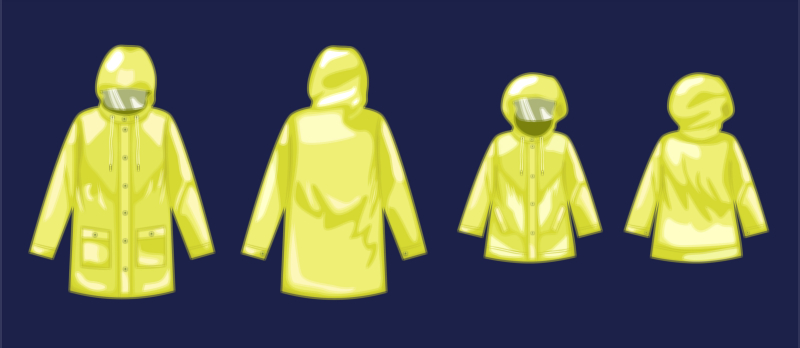
Because the rain season touches both human life and nature, integrating people into the scene adds narrative richness. A person walking under an umbrella in boots, a couple sharing shelter, a child splashing in puddles, or a cyclist navigating wet streets illustrates how rain does not stop life — it simply reshapes the way people and activities continue. Even without showing figures directly, the presence of objects such as boots, raincoats, rubber shoes, or footprints on wet ground suggests human participation and deepens the storytelling.
In creative design, a rain season template with clouds, umbrella, and natural elements can be interpreted in multiple ways: posters for seasonal promotions, classroom educational illustrations about weather, children’s storybook visuals, festival advertisements, monsoon travel brochures, greeting cards, wallpapers, digital artworks, or themed presentation slides. Whether aesthetically stylized or scientifically instructive, the template highlights the interconnectedness of weather, nature, people, and emotion.
By combining clouds that shape the sky, umbrellas that shelter individuals, and nature elements that respond with renewed growth, a rain-season visual becomes more than a seasonal symbol — it becomes a story of balance between vulnerability and resilience, power and peace, motion and stillness. It captures the rhythm of rain, the beauty of water returning to the earth, and the way humans find comfort and continuity amid nature’s cycles. Each element — from the drifting clouds to the protective umbrella and the vibrant greenery — works together to illustrate not only weather but atmosphere, feeling, and the ever-renewing relationship between people and the natural world.