Healthy Lips vs Cracked Lips — Hydration, Causes of Dryness, and Long-Term Lip Care
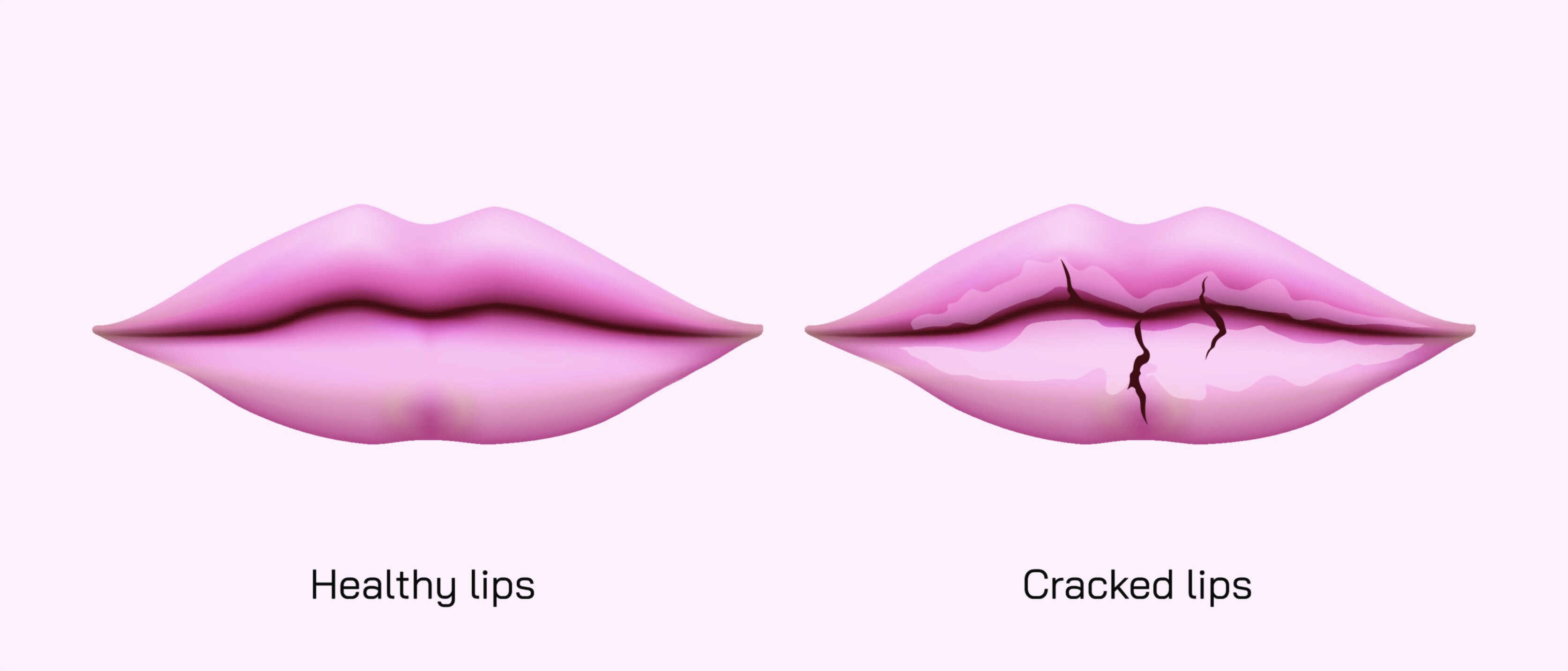
The difference between healthy lips and cracked lips goes far beyond appearance, shaping comfort, sensitivity, and overall well-being while revealing a great deal about the body’s hydration levels and protective barriers. Healthy lips typically feel smooth, soft, and flexible, retaining natural moisture due to a thin but effective layer of protective oils that lock in hydration and shield the delicate skin from dryness, friction, and irritants. In contrast, cracked lips develop when this protective barrier breaks down, causing the thin lip tissue — which lacks oil glands, melanin protection, and thick layers of skin — to lose moisture rapidly. What begins as mild dryness can progress into peeling, splitting, burning sensations, redness, and painful fissures that may bleed or make speaking and eating uncomfortable. Many people experience this shift more strongly in cold or dry weather, during illnesses, or due to environmental or lifestyle factors that interfere with moisture retention. Comparing healthy lips with cracked lips highlights not only how hydration plays a crucial role in comfort and appearance but also how daily habits and environmental exposure directly influence the resilience of the skin on the lips, which is more fragile than the skin elsewhere on the body.
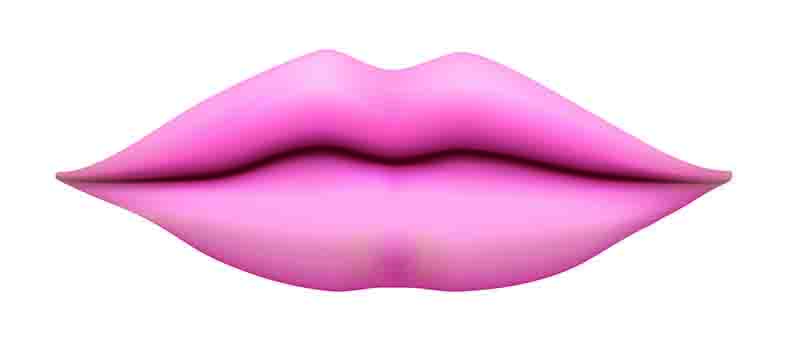
Healthy lips maintain moisture because their surface barrier remains intact, allowing water content inside the lip tissues to remain stable throughout the day. This protective condition is supported by external factors such as adequate water intake, humid environments, a balanced diet, and gentle care products. When lips are well-hydrated internally and shielded externally, the natural cycle of cell renewal happens smoothly, giving the lips a naturally pink tone and even texture without cracking or peeling. Many people mistakenly believe that the softness of healthy lips is automatic or effortless, but in reality the lips remain healthy only because moisture loss is kept under control and natural oils, saliva exposure, and environmental stress are balanced. The moisture-holding ability of healthy lips becomes especially noticeable when exposed to conditions that commonly cause dryness, such as wind or prolonged sun exposure; in healthy lips, these challenges do not immediately result in tightness or damage, showing that the protective layer is working effectively.
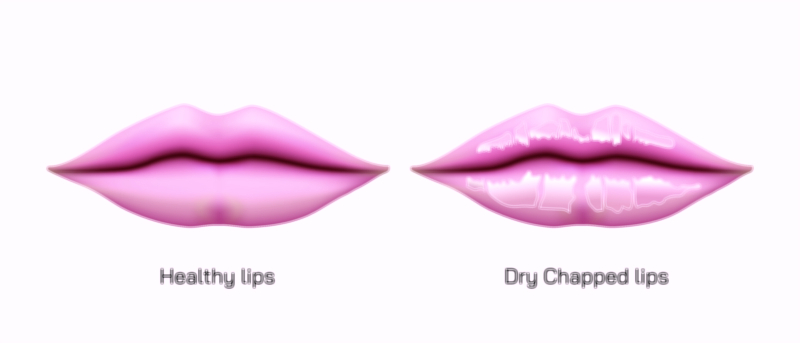
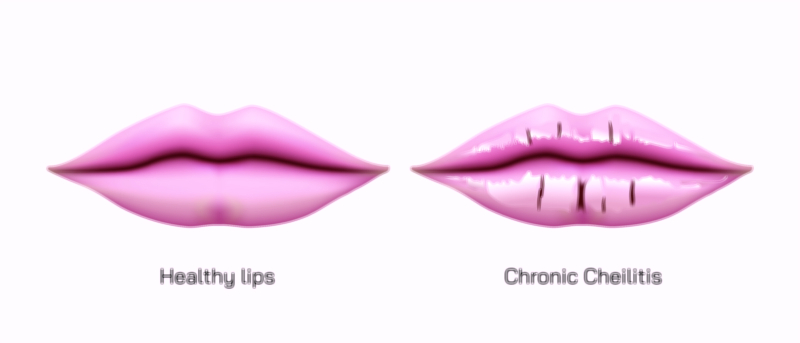
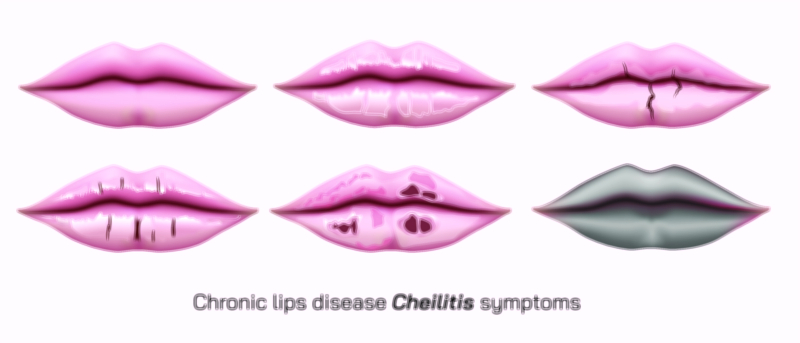
Cracked lips, also called chapped lips, represent the opposite condition in which moisture escapes faster than it can be replenished, leading to damage on the surface. Because the lips do not contain oil glands, once the barrier begins to break down there is nothing built-in to restore it automatically. Dry climates, cold weather, heated indoor air, prolonged sun exposure, dehydration, nutritional deficiencies, and respiratory conditions can all accelerate this moisture loss. Even common habits like licking the lips in an attempt to wet them often make cracking worse, because the moisture from saliva evaporates quickly and removes more hydration from the lip surface than it provides. Flavored lip products, dyes, harsh exfoliants, or irritants such as menthol and cinnamon oil can trigger a cycle of dryness and sensitivity, especially in people with sensitive skin or allergies. When cracks deepen, they interrupt the uniform surface of the lips, leaving inner layers exposed to air, friction, and microorganisms, which explains why cracked lips can become painful and more difficult to heal without deliberate care.
Hydration plays the central role in determining the state of the lips, both internally and externally. Drinking enough water daily helps keep body fluids balanced so that lip tissue receives the moisture it needs from within. However, hydration on its own is not always enough; the key is to retain moisture rather than simply replenish it. This is why healthy lips maintain a protective outer layer composed of natural oils and lip care ingredients that prevent water evaporating into the air. Products containing nourishing agents such as shea butter, beeswax, petroleum jelly, lanolin, ceramides, and plant oils create a temporary seal on the surface and allow the lip tissue underneath to repair itself. By contrast, cracked lips struggle to absorb hydration because the damaged barrier allows water to escape too quickly, creating a vicious cycle in which the lips feel dry even minutes after applying a balm unless the barrier is restored. Consistency in hydration is therefore more important than occasional treatments, and preventive care protects lips better than trying to fix cracks once they have formed.
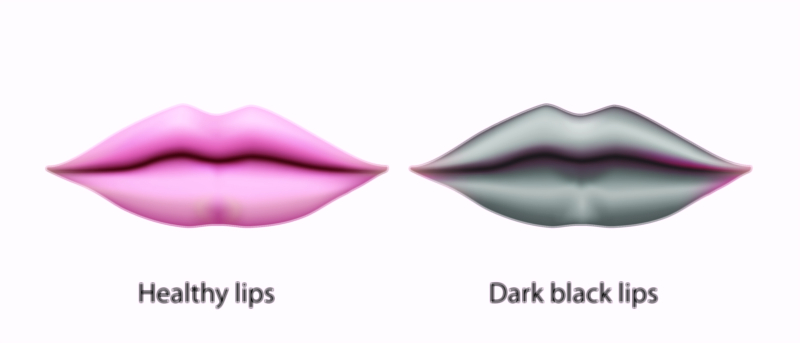
Seasonal factors strongly influence whether lips remain healthy or develop cracks, and many people notice dryness becoming worse in winter or during sudden changes in weather. Cold air contains less humidity and actively pulls moisture from the lips, while indoor heating creates extremely dry environments that strip water from the skin. Wind increases evaporation and causes friction, further aggravating dryness. Sun exposure affects the lips year-round because lip skin contains very little melanin, making it vulnerable to ultraviolet damage that can weaken the surface and lead to dryness, darkening, or long-term irritation. Healthy lips exposed to protective ingredients such as SPF lip balms, moisturizing formulas, and gentle cleansing have a much stronger defense against these seasonal effects, while unprotected lips quickly accumulate micro-cracks that expand into painful fissures under prolonged exposure. This seasonal vulnerability explains why taking preventive action before extreme weather begins is more effective than trying to correct severe cracking later.
Lifestyle, diet, and habits also play an important role. People who breathe through their mouths, whether during sleep or due to nasal congestion, often experience chronic dryness because constant airflow removes moisture from the lips. Smokers experience dryness not only from the heat and chemicals in smoke but also from repetitive friction and exposure to irritants. Nutritional deficiencies can play a role as well; low levels of iron, B-vitamins, zinc, or essential fatty acids can affect the body’s ability to maintain moisture in skin and mucous membranes, including the lips. Medications such as acne treatments or diuretics may cause dryness as a side effect. A comparison between individuals with healthy lips and those with cracked lips often reveals differences in daily routines — those with healthy lips hydrate regularly, avoid irritants, protect their lips from the sun and cold, and use nourishing products consistently, while people with cracked lips often unknowingly engage in habits that accelerate dryness, such as licking their lips, peeling flakes, or skipping moisturizing during seasonal shifts.
Healing cracked lips requires more than quick fixes and depends on restoring the moisture barrier while addressing the underlying causes of dryness. Gentle exfoliation may help remove dead skin when used sparingly, but aggressive scrubbing or peeling dry skin can worsen cracks by exposing sensitive tissue. The most effective approach involves layering moisture-binding and occlusive ingredients that trap hydration and reduce evaporation until the lips gradually strengthen. Avoiding fragrances, flavoring agents, and irritants is crucial during healing because the skin is already sensitive and vulnerable. Protecting the lips during outdoor exposure with SPF lip balms during the day and thick protective balms at night helps prevent further dehydration while the tissue repairs. For some people, healing is rapid once the barrier is restored, while others require sustained care depending on climate, lifestyle, and health.
The transformation from cracked lips back to healthy lips is noticeable not only visually but physically. Pain, tightness, and burning sensations gradually disappear as the surface regains elasticity and smoothness. The texture becomes more supple, the ability to stretch and move without discomfort returns, and the lips recover their natural color and softness. Over time, a consistent routine keeps the protective layer strong and reduces the frequency and severity of future dryness episodes. Healthy lips eventually reach a state where they remain hydrated and resilient even with fluctuating weather or demanding environments, as long as preventive care continues.
Ultimately, the comparison between healthy lips and cracked lips illustrates the delicate balance between hydration, protection, and environmental stress. Lips thrive when moisture is consistently maintained and protected, and they become damaged when that balance is disrupted. Lip care is not merely cosmetic; it supports comfort, communication, self-expression, and daily functioning. By understanding the causes of dryness and applying preventive care, anyone can help maintain healthy lips throughout the year, preventing painful cracking and ensuring that the lips stay soft, hydrated, and protected regardless of lifestyle or climate.