𝐇𝐞𝐚𝐥𝐭𝐡𝐲 𝐋𝐢𝐩𝐬 𝐯𝐬 𝐃𝐚𝐫𝐤 𝐋𝐢𝐩𝐬 𝐏𝐢𝐠𝐦𝐞𝐧𝐭𝐚𝐭𝐢𝐨𝐧 𝐚𝐧𝐝 𝐂𝐚𝐫𝐞
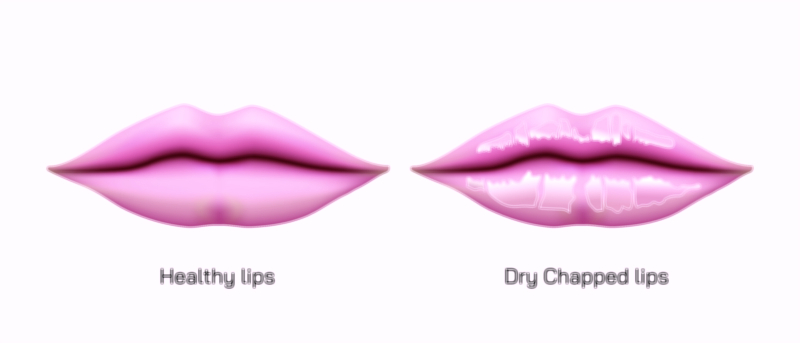
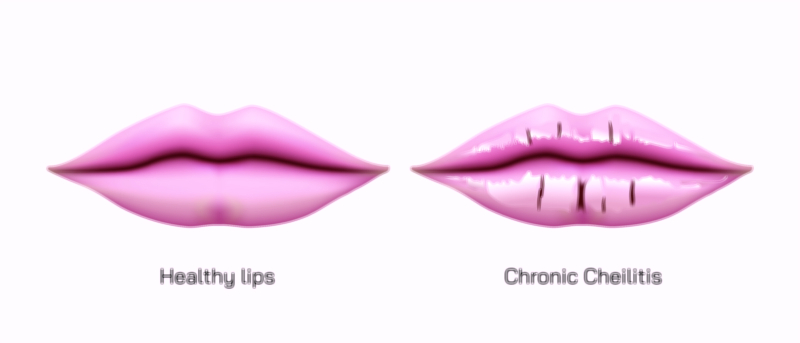
Healthy lips are often described as soft, smooth, evenly toned, naturally rosy, well-hydrated, and free from cracks, peeling, or pain. They indicate not only cosmetic attractiveness but also proper internal hydration, balanced nutrition, and consistent lip care. Dark lips, on the other hand, refer to hyperpigmentation or discoloration where lips gradually or suddenly become brown, blueish, purplish, or uneven in pigmentation. Healthy lips maintain a thin outer skin layer that seals moisture, protects nerve endings, and preserves the natural color generated by blood flow through the tissues. When this delicate structure is compromised due to lifestyle, environmental, biological, or hormonal influences, pigmentation increases and the color changes. Many people mistakenly assume dark lips are permanent or irreversible, but pigmentation can be reduced and lip color can brighten significantly with the right care, consistency, and removal of triggering factors. The contrast between healthy lips and dark lips reveals how daily habits, climate, sunlight, tobacco use, dehydration, and product choices can silently transform the natural tone of the lips over time.
𝐂𝐚𝐮𝐬𝐞𝐬 𝐨𝐟 𝐃𝐚𝐫𝐤 𝐋𝐢𝐩𝐬 𝐏𝐢𝐠𝐦𝐞𝐧𝐭𝐚𝐭𝐢𝐨𝐧
The most common cause of dark lips is sun exposure. The skin on the lips lacks melanin protection compared to other areas of the body and is more vulnerable to ultraviolet light. When exposed to sunlight without SPF protection, the body increases melanin production to shield lip tissues, leading to darkening. Another major factor is dehydration because dry lips lose their protective barrier, making pigmentation more visible and accelerating the breakdown of lip tissue. Cigarette smoking is one of the strongest triggers due to nicotine and heat that stimulate melanin activity and reduce oxygen supply, resulting in brown or purple discoloration. Excessive caffeine intake also plays a subtle role because frequent consumption of tea and coffee repeatedly touches the lips, leaving tannins that stain and dry the tissues. Many people develop dark lips due to lip licking, where saliva strips natural oils and increases irritation, causing chronic pigmentation. Low-quality lip balms, expired lipsticks, and chemical-based makeup products can irritate the lips and increase darkening as well. In some individuals, underlying causes like anemia, vitamin deficiencies, hormonal fluctuations, and genetics may also lead to persistent pigmentation.
𝐇𝐞𝐚𝐥𝐭𝐡𝐲 𝐂𝐚𝐫𝐞 𝐀𝐧𝐝 𝐇𝐢𝐛𝐢𝐭𝐬 𝐓𝐨 𝐌𝐚𝐢𝐧𝐭𝐚𝐢𝐧 𝐇𝐞𝐚𝐥𝐭𝐡𝐲 𝐋𝐢𝐩𝐬 𝐀𝐧𝐝 𝐑𝐞𝐝𝐮𝐜𝐞 𝐏𝐢𝐠𝐦𝐞𝐧𝐭𝐚𝐭𝐢𝐨𝐧
Healing dark lips begins with identifying and stopping the triggers that caused the pigmentation. Hydration remains the foundation of lip care because lips have no oil glands and require moisture from inside and outside to stay healthy. Drinking enough water each day restores tissue hydration and gradually brightens lip color. Exfoliation plays an important role when done correctly, helping remove dead skin buildup, improve smoothness, and increase blood flow to the lips, but over-scrubbing must be avoided because it can worsen pigmentation. Natural moisturizers like shea butter, beeswax, rosehip oil, almond oil, and vitamin E support the healing of the outer layer, while humectants like hyaluronic acid lock moisture inside the tissues. Daily use of SPF lip balm is one of the most powerful steps to prevent and reverse sun-induced pigmentation because it blocks UV rays and gives time for cells to repair. For people who smoke, reducing or quitting dramatically accelerates lip brightening. Limiting caffeine contact with the lips, using a straw for drinks, applying lip balm regularly, and avoiding lip licking can also restore natural color. At night, applying a thick lip mask seals hydration and boosts healing while sleeping. For persistent pigmentation, dermatologist-approved solutions like kojic acid, niacinamide, licorice extract, mulberry extract, azelaic acid, and gentle retinoids can also reduce melanin production and even out lip tone over time.
𝐇𝐨𝐦𝐞 𝐂𝐚𝐫𝐞 𝐑𝐨𝐮𝐭𝐢𝐧𝐞 𝐓𝐨 𝐁𝐫𝐢𝐠𝐡𝐭𝐞𝐧 𝐃𝐚𝐫𝐤 𝐋𝐢𝐩𝐬
A simple and consistent care routine can greatly improve lip pigmentation. A gentle scrub once or twice per week using mixtures like sugar and honey, coffee and olive oil, or oatmeal and milk gently removes dead skin and increases circulation. After exfoliation, moisturizing is essential to prevent dryness and irritation. Natural brightening ingredients such as beetroot juice, pomegranate juice, turmeric with milk, aloe vera gel, and mashed rose petals can temporarily enhance natural tint and long-term pigmentation reduction when used regularly. It is also helpful to apply cold compresses to soothe irritation and decrease heat in the tissues, especially for smokers or people exposed to sunlight for long hours. Wearing SPF lip balm every day, even at home, prevents new pigmentation from forming and protects existing improvements. For people who use makeup daily, selecting dermatologically safe, hypoallergenic, lead-free, and fragrance-free lipsticks reduces chemical irritation. Removing makeup before bed is non-negotiable because leftover pigments and preservatives can cause darkening overnight. Consistency is extremely important because the pigmentation did not appear in one day and reductions will also take weeks to months of regular care.
𝐅𝐢𝐧𝐚𝐥 𝐒𝐮𝐦𝐦𝐚𝐫𝐲
The difference between healthy lips and dark lips pigmentation reflects overall care, hydration, lifestyle habits, and sun protection. Healthy lips remain smooth, evenly toned, naturally pink or rosy, and protected through moisturization and SPF. Dark lips appear when melanin increases due to factors like sun exposure, smoking, caffeine, dehydration, poor lip products, lip licking, and lifestyle imbalance. Although dark lips can be emotionally distressing or cosmetically unwanted, they are not permanent in most cases and can be brightened safely through nourishment, sun protection, gentle exfoliation, quality lip products, and consistent care. With the right daily routine and removal of pigmentation triggers, the natural beauty and softness of the lips can gradually return, restoring confidence and comfort without aggressive treatments or pain. If pigmentation is caused by medical or genetic factors, professional dermatological guidance can support deeper healing and ensure safe and effective results.