Healthy Lips vs Chapped Lips — Understanding the Causes, Biological Differences, Hydration Balance, Environmental Triggers, and the Complete Care Process for Smooth, Soft, and Resilient Lips
Lips are one of the most delicate and expressive parts of the human body, yet they are also one of the most vulnerable to dryness, cracking, and environmental damage. When people notice their lips becoming rough, flaky, or painful, the instinct is often to blame dehydration alone — but the biological difference between healthy lips and chapped lips runs deeper. Healthy lips are smooth, soft, and supple because their outer layers contain enough moisture and protective oils to prevent water loss. The skin on the lips is much thinner than the skin on the rest of the face, with fewer oil glands and no natural hair to protect it. As a result, lips depend on external support to stay hydrated and comfortable. When that support is interrupted by dryness, harsh weather, licking, friction, or irritating ingredients, the surface barrier breaks down. Once that barrier is damaged, water evaporates rapidly from the tissue beneath, leading to the painful cycle of chapped lips.
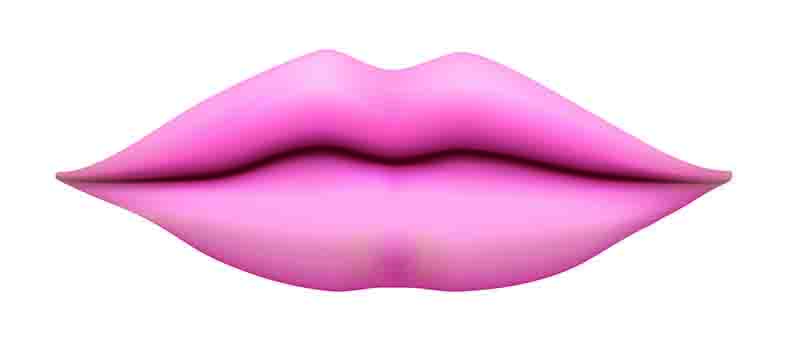
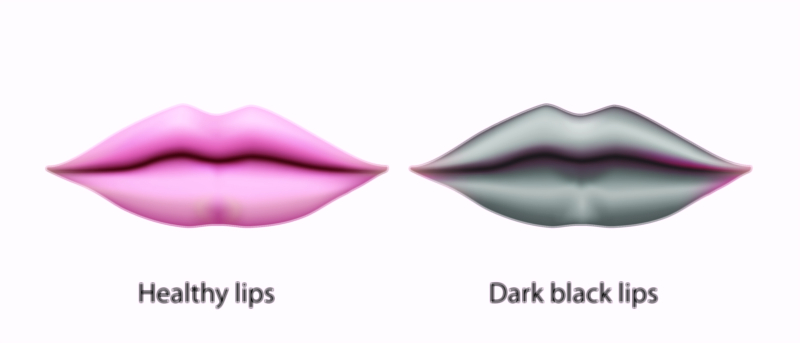
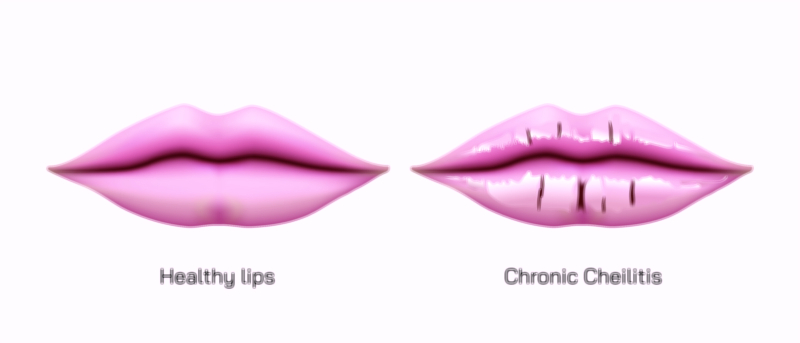
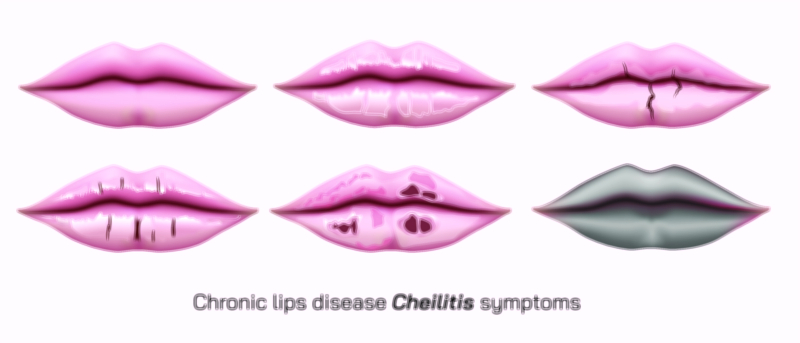
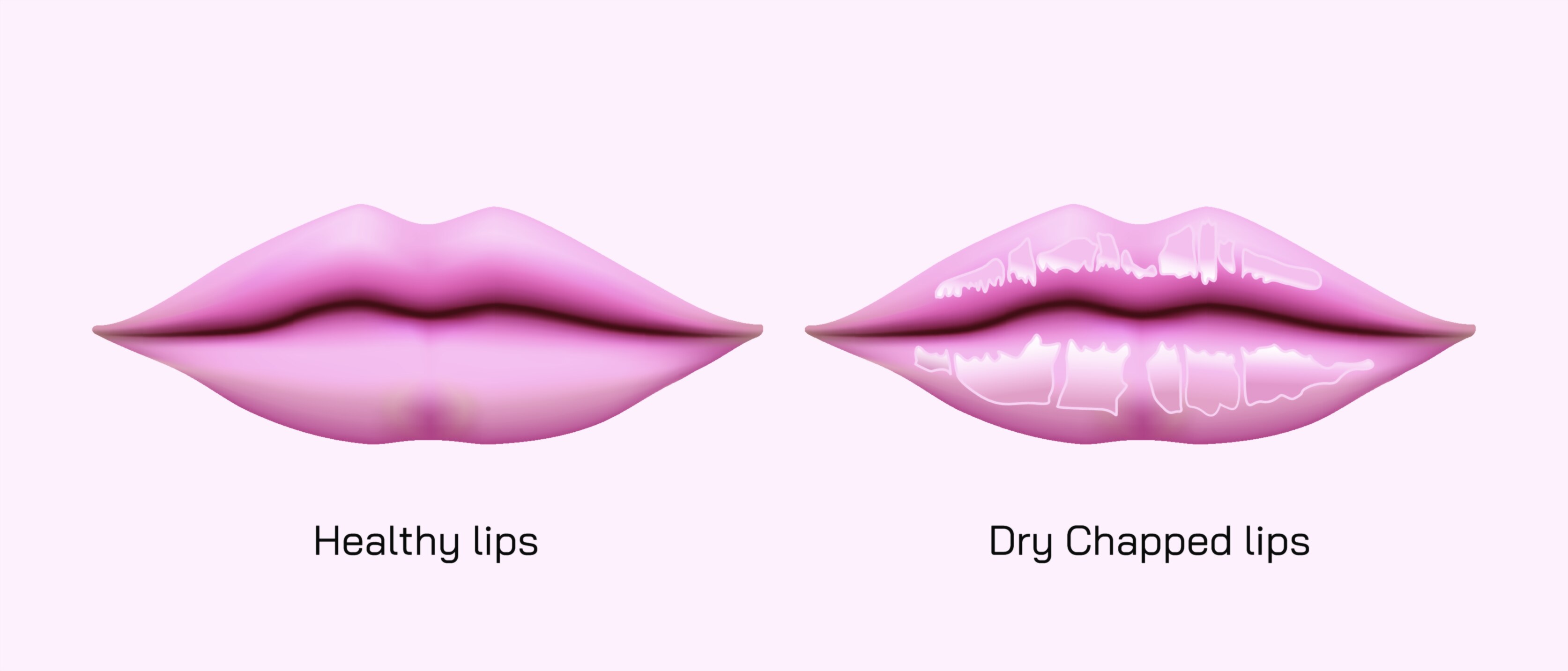
A comparison between healthy lips and chapped lips helps clarify this cycle visually and biologically. In a healthy state, the lip surface appears evenly colored, smooth to the touch, soft when pressed, and free of peeling. The natural moisture barrier, composed of lipids and water, remains intact. Even small interactions such as smiling, speaking, or eating do not create discomfort because the skin is flexible and well supported. In contrast, chapped lips show visible symptoms of distress: rough texture, flakiness, fine cracks or deep splits, tightness when smiling, burning or stinging sensations, and increased sensitivity to spicy, salty, or acidic foods. In severe cases, the lips may bleed, scab, or become inflamed. This painful transition does not happen suddenly; it unfolds gradually as the barrier that protects the lips from moisture loss becomes weaker and weaker.
The causes of chapped lips can be internal or external, and often both. Cold weather, dry air, wind, and prolonged sun exposure are major environmental triggers because extreme conditions strip moisture from the lip surface faster than it can be replenished. Indoor heating and air conditioning can be just as damaging as winter winds because they dramatically reduce humidity in the air. A common subconscious habit — lip licking — worsens dryness rather than relieving it. When saliva evaporates, it takes even more moisture from the lips along with it, leaving them drier than before. Breathing through the mouth exposes lips to constant airflow and accelerates dehydration. Using lip products that contain irritating or drying ingredients — such as menthol, camphor, artificial fragrances, high alcohol content, or harsh exfoliants — can also damage the lip barrier. Internal factors contribute as well: dehydration, nutrient deficiencies (e.g., low Vitamin B, iron, zinc), certain medications, and underlying skin conditions can all increase susceptibility to chapping.
Healthy lips are defined by barrier integrity, whereas chapped lips are defined by barrier disruption. The protective barrier acts like a shield that prevents water from escaping. When this barrier is intact, lips retain hydration naturally and feel soft. When the barrier is damaged, the opposite happens: instead of moisture staying inside the lips, it evaporates quickly and continuously. Even when people apply lip balm repeatedly throughout the day, they may see little improvement if the barrier is not being repaired — the discomfort remains because moisture cannot be locked in without restoring the protective layer. This explains why some individuals feel “addicted” to lip balm when using the wrong type: instant slip without healing does not repair the barrier, so the lips remain dry underneath.
The lip care process focuses on repairing, protecting, and maintaining the natural barrier rather than merely coating the lips. Effective healing begins with gentle exfoliation — not daily scrubbing or harsh friction, but periodic removal of loose dead skin using a soft method such as a sugar-based scrub, a damp washcloth, or a mild chemical exfoliant formulated specifically for lips. Removing only the loosened flakes helps new skin absorb moisture better and prevents painful picking that can cause bleeding or infection. After exfoliation, the priority is deep hydration using humectants such as hyaluronic acid, glycerin, honey, or aloe, which draw water into the lip tissue. Immediately after hydration comes sealing — locking in moisture with occlusive ingredients such as shea butter, lanolin, petroleum jelly, cocoa butter, ceramides, beeswax, or natural oils like coconut or castor oil. These strengthening and moisturizing components help rebuild the lipid barrier layer by layer.
The prevention stage is equally important. Drinking enough water supports hydration from within, but external support is essential because lips cannot produce oils themselves. Applying a protective lip balm before exposure to cold winds, sun, or dry air creates a shield that reduces moisture loss. SPF lip balms are necessary in sunny climates because UV damage contributes significantly to inflammation and chapping. Avoiding irritants such as menthol-based balms, highly fragranced lip products, and frequent lip licking prevents the cycle of dehydration from restarting. Sleeping with a rich overnight lip mask gives the skin uninterrupted time to heal, making morning discomfort significantly less likely.
Healthy lips are not a permanent accident; they are the result of consistent care, just as chapped lips are not a permanent flaw. Once the underlying causes are addressed, lips heal quickly because they have an excellent blood supply and fast cell turnover. Even if dehydration, weather, or self-habits triggered the dryness, the barrier can be restored with steady attention. Instead of trying multiple random balms or scrubbing aggressively, a predictable and gentle routine allows healing to happen: protect throughout the day, hydrate and seal at night, exfoliate occasionally, and avoid irritants and habits that strip moisture away. Over time, this process transforms the lips from vulnerable and reactive to strong and resilient.
Yet beyond the physical discomfort, chapped lips often carry emotional weight. They affect appearance, confidence in conversation, and comfort when smiling. People may become self-conscious, avoid lipstick, or feel frustrated when dryness persists despite their efforts. These feelings are valid because the lips play a meaningful role in communication, expression, and self-image. Healing lips is therefore not just a matter of skin care — it becomes an act of self-kindness. When individuals learn what their lips need and provide it consistently, they gain not only relief from pain but a sense of comfort within their own skin.
In the end, the difference between healthy lips and chapped lips is the difference between protection and vulnerability. Healthy lips have an intact moisture barrier that retains hydration and resists environmental stress. Chapped lips have a disrupted barrier that allows moisture to escape faster than it can be replaced. Care restores this barrier, and healing is not achieved through harshness or overuse of products but through balance: hydration, sealing, protection, prevention, and patience. With the right routine, lips transition from dryness and discomfort to softness, resilience, and natural beauty — not because they were forced to change, but because their biological needs were finally understood and fulfilled.