Hair Care — Healthy Hair Maintenance and Treatment
Hair care represents a deeply interconnected system of biological understanding, daily habits, environmental influences, and targeted treatments that work together to maintain the strength, appearance, and long-term vitality of the hair. Although many people think of hair care primarily as styling or cosmetic upkeep, the concept stretches far beyond superficial beauty. It includes the structural health of the hair shaft, the condition of the scalp, the balance of natural oils, the nourishment that comes from diet, the impact of stress and hormones, and the ongoing relationship between external care routines and internal wellness. Healthy hair does not emerge from a single product or technique; it is the result of consistent maintenance, thoughtful choices, and an understanding of how hair responds to the environment, to grooming practices, and to overall health. When discussing hair maintenance and treatment, it becomes clear that hair behaves much like a living record of lifestyle, reflecting changes in nutrition, hydration, stress levels, hormonal transitions, and even medical conditions. This makes hair care not merely a cosmetic interest but a holistic practice linked to physical and emotional well-being.
At its core, healthy hair care begins with understanding the biology of the hair strand. Each hair is anchored within a follicle in the scalp, where cells divide rapidly and form the hair shaft through a process dependent on protein synthesis, blood supply, and hormonal regulation. The outer layer of the hair shaft, known as the cuticle, is composed of overlapping cells that protect the inner layers. When the cuticle lies smooth and intact, hair appears shiny, strong, and manageable. When the cuticle becomes lifted or damaged due to heat, chemicals, friction, or environmental stress, the hair becomes dull, brittle, rough, or prone to breakage. Thus, many maintenance practices revolve around preserving cuticle integrity. This includes gentle cleansing, avoiding excessive heat, protecting hair during sleep, minimizing friction from brushing or towels, and choosing treatments that replenish lost moisture or proteins. The cuticle’s health determines whether hair retains moisture, reflects light, resists tangling, and withstands daily wear.
Equally important to hair maintenance is scalp health, which serves as the foundation for hair growth. A well-balanced scalp provides the ideal environment for follicles to produce strong, resilient hair. The scalp naturally produces sebum, an oil that moisturizes the skin and conditions the hair shaft as it grows. Too little oil can lead to dryness, irritation, and brittle hair; too much oil can create buildup, clog follicles, and contribute to dandruff or scalp inflammation. Maintaining a healthy scalp therefore requires a balance between cleansing and preserving natural oils. Gentle, consistent washing helps remove sweat, pollutants, and product residues without stripping the scalp excessively. Massaging the scalp during cleansing increases blood flow, stimulates follicles, and enhances nutrient delivery. A balanced scalp feels comfortable, free of itchiness, irritation, or tightness, and supports healthier hair from root to tip.
Hydration also plays a central role in maintaining hair vitality. Hair strands rely on water content to remain flexible and resilient. Dry hair is far more susceptible to breakage, split ends, and rough texture. Hydration comes from both internal and external sources. Internally, drinking adequate water ensures that cells—including those in the follicles—function optimally. Externally, moisturizing treatments help lock water into the hair shaft. Conditioners, leave-ins, hair masks, and natural oils provide layers of protection by smoothing the cuticle and preventing moisture loss. The ability of hair to retain moisture depends greatly on its porosity, a characteristic determined by the structure and condition of the cuticle. Low-porosity hair resists water absorption but retains moisture well once hydrated. High-porosity hair absorbs moisture quickly but loses it just as quickly due to gaps in the cuticle. Understanding porosity helps tailor treatments that ensure lasting hydration rather than superficial effects.
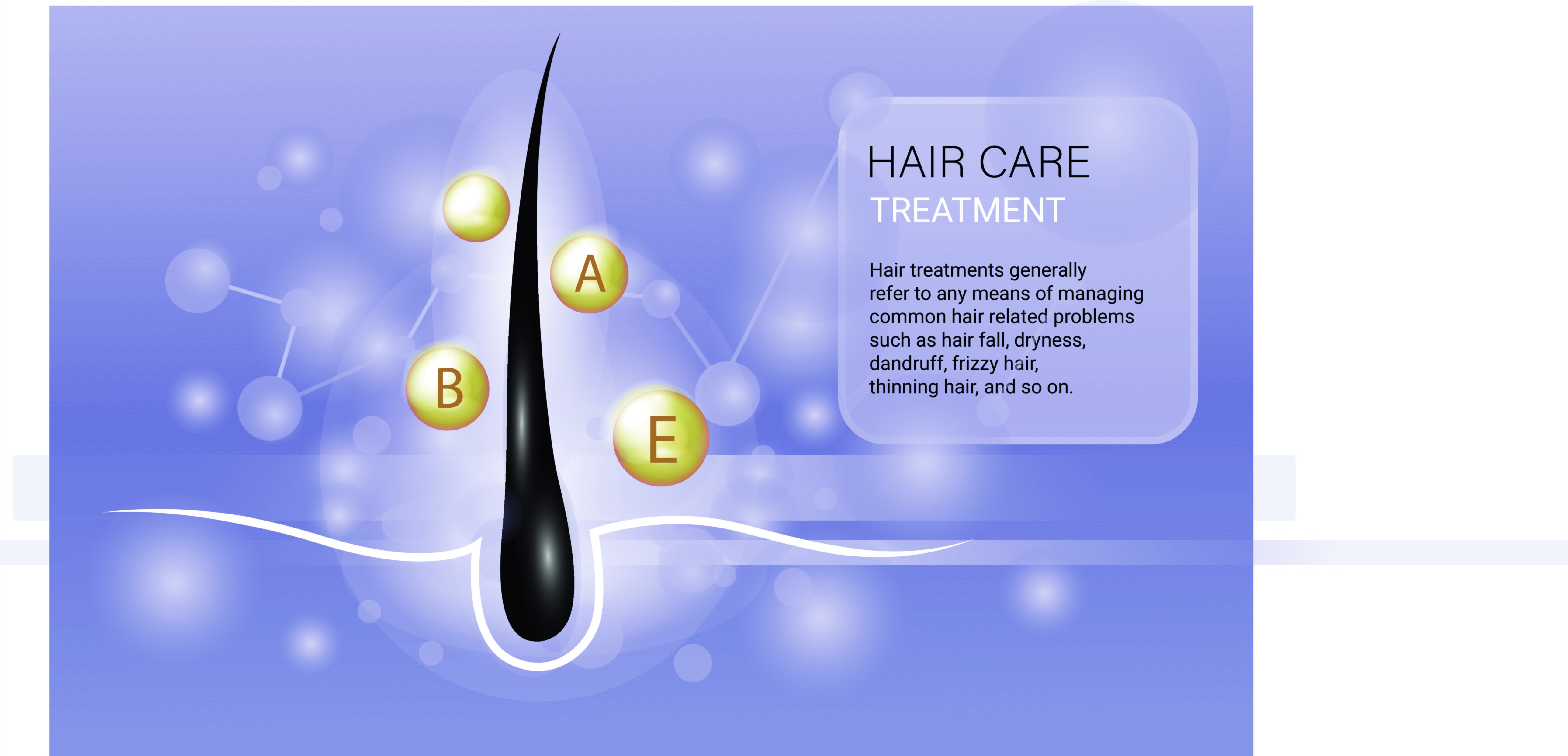
Nutritional care forms another cornerstone of hair maintenance. Hair is composed primarily of keratin, a structural protein that requires amino acids, minerals, vitamins, and healthy fats for continuous growth. A diet lacking essential nutrients often results in thinning, dullness, slow growth, or increased shedding. Protein intake supports the formation of new hair fibers. Iron transports oxygen to follicles, and deficiencies can cause significant hair loss. Vitamins such as A, C, D, E, and B-complex strengthen hair growth cycles, while minerals like zinc and selenium support cellular repair. Omega-3 fatty acids contribute to scalp hydration and reduce inflammation. Even mild nutritional imbalances can influence hair’s strength and growth, highlighting the deep connection between internal health and external hair appearance. For this reason, holistic hair care routinely emphasizes balanced meals, adequate hydration, and mindful supplementation where appropriate.
Daily grooming habits profoundly shape long-term hair health. Excessive brushing, aggressive towel drying, frequent use of hot tools, and tight hairstyles place mechanical stress on the hair shaft and follicles. These actions gradually weaken the structure of the hair, causing frizz, breakage, or even traction alopecia, a form of hair loss caused by repeated tension. Gentle handling helps maintain the natural integrity of hair fibers. Detangling is most effective when done slowly, starting from the ends and working upward, ideally when the hair is damp and conditioned to minimize friction. Using soft fabrics or microfiber towels reduces cuticle damage, while silk pillowcases minimize nighttime breakage. Protective styling, such as braids, twists, or loose buns, shields hair from environmental stressors and mechanical wear, especially in textured or curly hair types that are naturally more delicate.
Heat styling is one of the most common contributors to hair damage. High temperatures break down structural bonds within the hair shaft, leaving it weakened, dry, and more susceptible to breakage. Over time, repeated heat application lifts the cuticle and compromises the inner cortex. Healthy heat use relies on moderation, lower temperatures, protective sprays, and ensuring the hair is completely dry before using hot tools. Giving hair regular breaks from heat allows it to recover and maintain strength. Chemical treatments—including coloring, relaxing, perming, and bleaching—also alter the hair’s structure. While these treatments can produce beautiful results, they require careful aftercare, including deep conditioning, strengthening masks, and oils to replenish what chemicals remove. Healthy hair care involves balancing personal style preferences with conscious maintenance choices that protect long-term hair integrity.
The environment plays a surprisingly large role in hair health as well. Ultraviolet radiation from the sun weakens both cuticle and cortex, fading color and drying out the strands. Pollution particles adhere to the hair and scalp, causing dryness, irritation, and oxidative stress. Chlorine strips natural oils and disrupts the protective barrier of the hair shaft. Saltwater dehydrates hair and roughens the cuticle. Wind tangles and tears delicate strands, while low humidity environments create static and dryness. Adapting to environmental stress means using protective products such as UV shields, clarifiers, moisturizing treatments, or protective hairstyles. Covering hair with hats or scarves, rinsing after swimming, or applying hydrating serums can shield hair from these external pressures.
Scalp treatments are a crucial component of maintaining overall hair health. Exfoliating scrubs help remove dead skin cells, product buildup, and excess oils. Anti-inflammatory treatments soothe irritation or sensitivity, while medicated shampoos target dandruff, fungal overgrowth, or psoriasis. A balanced microbial environment on the scalp supports healthier follicles and reduces issues such as flakes or itchiness. Increasingly, scalp care is recognized not as a separate discipline but as an essential part of total hair health. Treatments that maintain a stable, nourished scalp often lead to tangible improvements in hair thickness, texture, shine, and growth.
Stress and hormonal fluctuations also significantly influence hair. The hair growth cycle includes phases of growth, rest, and shedding, and these phases respond closely to internal conditions. High stress levels can prematurely push follicles into a resting phase, resulting in increased shedding known as telogen effluvium. Hormonal changes during pregnancy, postpartum months, menopause, thyroid imbalances, or certain medical conditions can dramatically shift hair density, texture, or growth patterns. Managing stress through mindful techniques, adequate sleep, and emotional well-being supports hair vitality by stabilizing the body’s hormonal rhythms. When hair changes occur due to medical causes, appropriate diagnosis and treatment often restore balance over time.
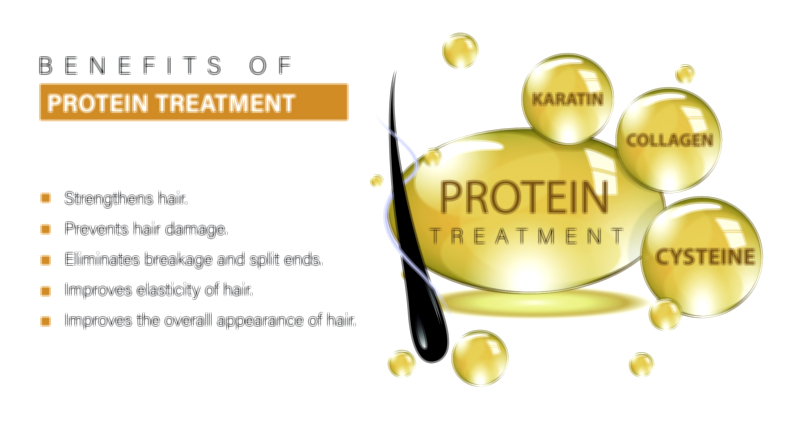
Hair treatments, such as deep conditioners, protein masks, scalp oils, and strengthening serums, serve as restorative practices that repair accumulated damage and reinforce the hair’s natural resilience. Protein treatments temporarily patch weak points in the hair shaft, improving elasticity and strength. Moisturizing masks replenish hydration lost through styling, sun exposure, or harsh cleansers. Lightweight oils, such as argan, coconut, jojoba, or almond oil, smooth the cuticle and reduce friction during styling. Leave-in conditioners provide ongoing moisture and protection throughout the day. These treatments work best when applied consistently rather than occasionally, as hair benefits from a steady supply of nourishment much like skin does.
Hair trimming is another essential maintenance step. Even though trimming does not directly influence growth from the scalp, removing split ends prevents them from traveling upward and damaging more of the hair shaft. Regular trims keep the ends healthy, reduce tangling, and maintain overall appearance. The frequency of trimming depends on hair type, density, and styling habits, but consistent trimming contributes to a healthier and more manageable length over time.
Finally, hair care is deeply personal, shaped by individual hair types, genetic characteristics, cultural traditions, lifestyle demands, and personal aesthetic preferences. Curly, straight, wavy, and coily hair each require different approaches to moisture balance, product selection, and styling. Fine hair may need lightweight formulas, while thick or coarse hair thrives with richer treatments. Color-treated hair benefits from sulfate-free shampoos and UV protection, while natural untreated hair may focus more on hydration and minimal manipulation. No single routine fits every person, and the healthiest hair care practices emerge from attentive observation and responsiveness to the hair’s changing needs.
In essence, healthy hair maintenance is a continuous relationship between the body, environment, and daily care. It combines biology with habits, individual uniqueness with universal principles, and internal wellness with external practices. When approached with consistency, understanding, and patience, hair care becomes not just a ritual of grooming but a reflection of personal well-being, self-expression, and mindful living.