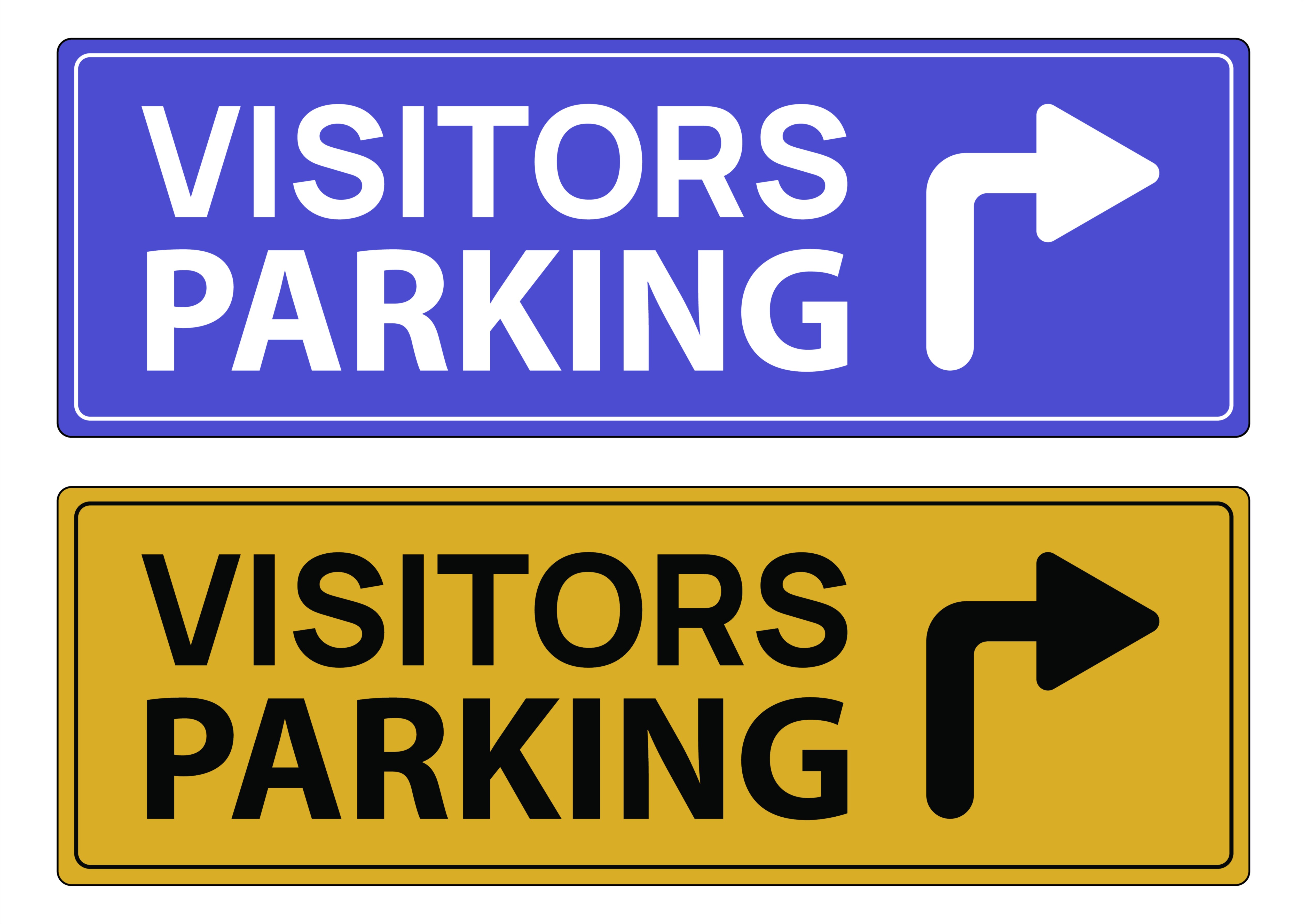
Visitor Parking Lot — Designated Guest Vehicle Area
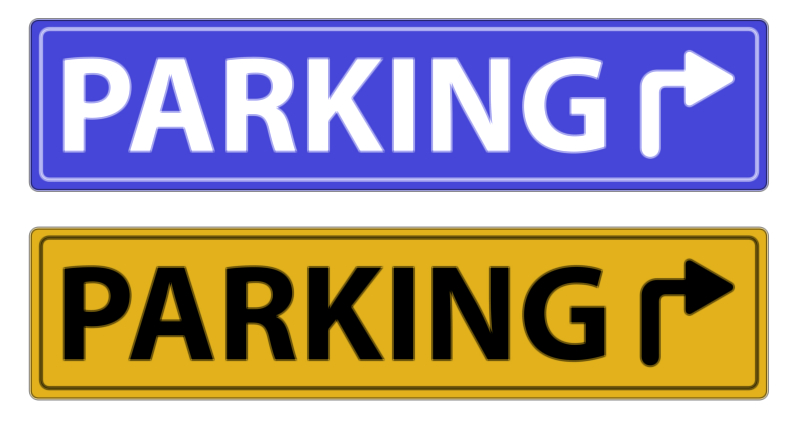
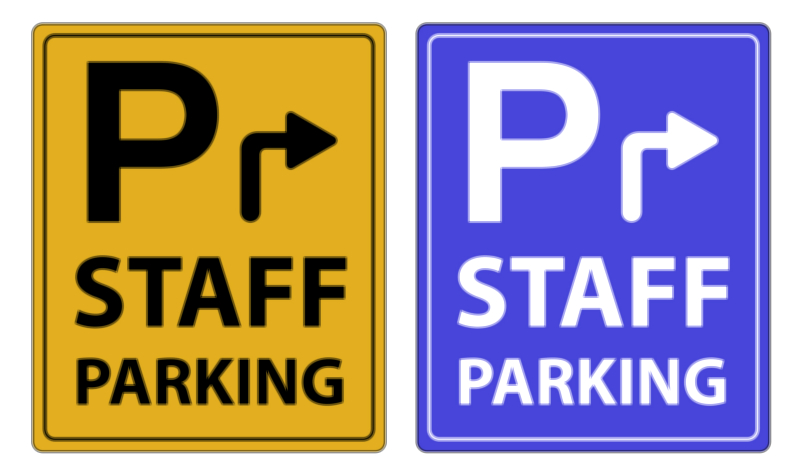
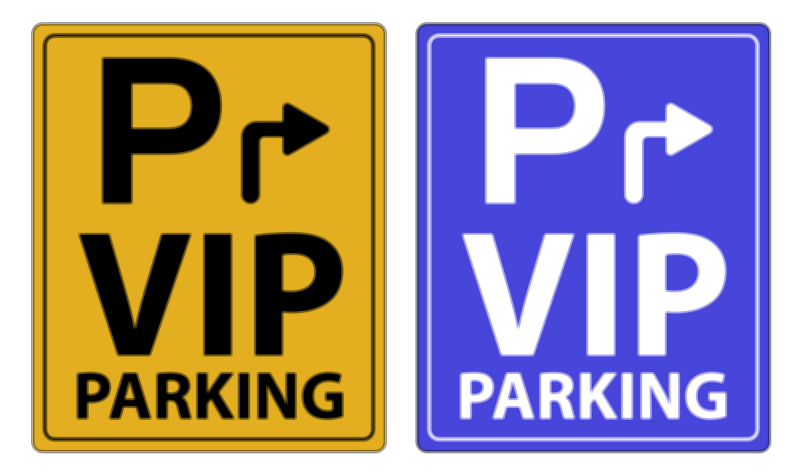
A Visitor Parking Lot sign, visually expressed in a clean vector illustration with a prominent parking symbol and a clear label such as “Visitor Parking” or “Guest Parking,” represents far more than a convenient place for vehicles to stop. It is a structured gesture of hospitality, clarity, and respect for the people who are not part of the daily flow of the premises but whose arrival is nonetheless important. Whether those visitors are customers, parents, patients, applicants, interviewees, vendors, consultants, relatives, or dignitaries, their first impression of any building begins long before they step through the door — it begins the moment they look for a place to park. A Visitor Parking Lot — Designated Guest Vehicle Area eliminates confusion, elevates the arrival experience, and ensures that individuals unfamiliar with the environment feel welcomed rather than lost or burdened by uncertainty. Beneath the simplicity of the vector artwork lies a complex layer of functionality that supports safety, organization, traffic efficiency, and emotional comfort for everyone who visits.
Without designated visitor parking, guests often unknowingly enter parking areas that are reserved for employees, clients, residents, VIPs, or service vehicles. This creates a negative chain reaction: visitors face unexpected restrictions or redirections, security personnel must intervene to reassign them, and staff parking becomes disrupted as guests unintentionally occupy the spaces needed for those working inside the building. The confusion may lead to unnecessary loops — vehicles circling entrances, slowing down unexpectedly, and stopping in unauthorized areas just to look for clues. This not only causes frustration for the visitor but also increases congestion and risks blocking ramps, drop-off lanes, reception approaches, and pathways designed for pedestrians. The Visitor Parking Lot sign prevents such inconvenience and disorder by pointing guests immediately to the correct location. It ensures that the very first interaction between visitor and facility is not one of correction or confusion, but of clarity and ease.
From a hospitality perspective, the sign sends a powerful message that guests are valued. When a parking space is clearly designated for visitors, the building communicates: Your arrival is expected, and your convenience matters to us. This experience is especially important in environments such as hotels, high-end residential communities, educational institutions, corporate headquarters, showrooms, hospitals, and governmental offices — places where first impressions set the tone for trust and comfort. Visitors who park easily and confidently enter the building with a calmer state of mind, making their interactions more pleasant and productive. In contrast, visitors forced to search for parking or argue about availability enter already stressed, which can color their perception of the entire visit. Thus, what looks like a simple vector sign has a direct emotional and relational impact.
In professional facilities, the Visitor Parking Lot also plays a key role in business efficiency. Prospective clients, investors, interview candidates, and consultants may have meetings scheduled with tight agendas. If they arrive late because they spent too much time searching for parking, important schedules go off track. A clearly placed visitor parking sign eliminates that delay, supporting the productivity of both the visitor and the organization. It also prevents disruption at the reception desk, where unmarked parking often leads to questions, requests for assistance, and waiting periods that hinder staff workflow.
Clinics and hospitals, in particular, depend on good visitor parking management because guests may include elderly individuals, pregnant women, children, and people with limited mobility or heightened emotional stress. A Designated Guest Vehicle Area ensures that patients do not have to walk long distances or navigate through confusing parking zones when they are already dealing with discomfort or urgency. It also prevents overflow into emergency vehicle access lanes or ambulance zones by channeling visitors toward the correct location before they become desperate for a space.
Safety and accessibility are deeply woven into the value of the sign. A visitor unfamiliar with the facility layout is more likely than a staff member to accidentally stop near ramps, tactile paths, wheelchair entrances, hydrants, or exit gates simply because they don’t know where else to go. A Visitor Parking sign eliminates guesswork, guiding guests away from spaces that must always remain unobstructed. In doing so, it protects accessibility infrastructure and ensures that people with disabilities continue to have clear pathways into the building. It also keeps emergency response routes open, reducing the risk of unwanted crowds or blocked access caused by lost drivers improvising parking.
Traffic flow improves significantly when visitor parking is clearly marked. Visitor search patterns are unpredictable, especially when guests do not know whether to follow the same path as residents, employees, or delivery vehicles. Without signage, they may hesitate, enter one lane and back out, make sudden turns, or hover indecisively. These maneuvers restrict road capacity and heighten collision risk. The Visitor Parking Lot — Vehicle Designated Area directs guests toward the proper lot before these unpredictable behaviors emerge, creating a calmer and safer movement pattern for everyone.
Security also benefits from structured visitor parking. In many facilities — corporate campuses, research labs, schools, and critical infrastructure — certain areas are intentionally restricted for internal use. If visitors park anywhere they find open space, their movements throughout the property become harder to monitor and control. A designated visitor lot acts as an orientation zone where guests enter the premises through the correct checkpoints, receive instructions clearly, and interact with authorized personnel before navigating deeper into sensitive spaces. The sign, therefore, is not only about vehicle storage but also part of the access-control system.
In retail and service environments, designated visitor parking reinforces customer experience and supports commercial outcomes. When customers find immediate and intuitive parking near a business — marked by a visible Visitor Parking graphic — they are far more likely to enter without hesitation. Stores that lack clearly marked visitor parking often lose customers to competitors not because of pricing or product quality but because entry felt complicated or inconvenient. Simple signage can transform the emotional barrier between intent and action.
On a community and social level, the Visitor Parking Lot sign helps prevent tension between guests and residents or employees. Without it, visitors may unknowingly occupy reserved spaces, leading to conflicts, towing disputes, frustration, and a negative association with the facility. A clear sign prevents such misunderstandings before they occur, allowing everyone to feel respected and comfortable without confrontation.
Even in smart mobility environments, signage plays a vital role. Navigation apps and parking systems may guide vehicles to visitor zones digitally, but drivers who approach the lot still depend on physical signs for confirmation. Vector-based signage is also readable by automated parking systems and camera-based enforcement technologies, allowing the digital infrastructure to work seamlessly with the physical layout.
Ultimately, the Visitor Parking Lot — Designated Guest Vehicle Area sign is not merely informational; it is a structural layer of respect, thoughtfulness, and courtesy. It ensures that guests feel welcomed instead of burdened, that staff and residents are not displaced, that traffic remains predictable, that walkways and ramps remain safe, and that emergency access remains guaranteed. What appears to be a straightforward sign is actually a key component of arrival design, safety management, accessibility support, and overall public harmony. When installed thoughtfully and followed consistently, it transforms parking from a competitive struggle into a smooth and dignified entry experience — setting a tone of order, care, and human consideration before the first word of the visit is ever spoken.