Viscosity Examples — Fluid Flow Resistance Comparison
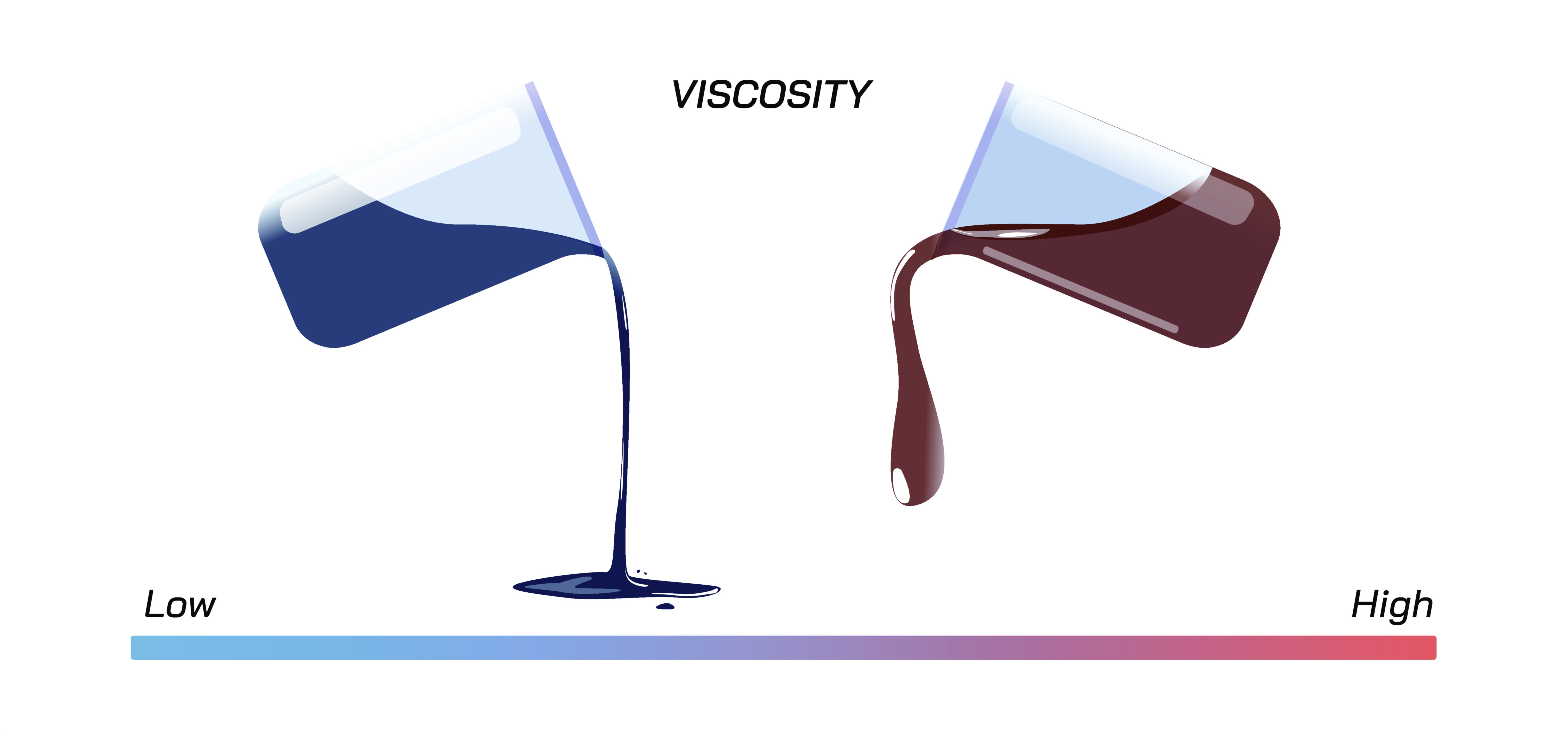
Viscosity is one of the most important physical properties used to describe how fluids behave when they move, pour, or flow under the influence of an external force. It represents the internal resistance of a fluid to motion, which arises because particles within the liquid or gas interact and interfere with each other as they slide past. A fluid with high viscosity opposes motion strongly and flows very slowly, whereas a fluid with low viscosity moves freely and spreads easily with minimal internal friction. Although viscosity is rooted in molecular interactions, everyday life provides countless clear demonstrations of how different substances behave depending on how resistant they are to flow. Comparing materials such as honey, water, engine oil, shampoo, molten metal, syrup, blood, tar, and air allows anyone to visualize viscosity without complex measurement tools. Whether we observe how paint drips from a brush, how chocolate sauce spreads over ice cream, or how oil circulates inside an engine, the balance between smooth flow and internal resistance becomes immediately apparent.
To better understand the role viscosity plays in fluid behavior, consider the dramatic contrast between honey and water. Pouring honey out of a jar requires effort, and even once it begins moving, the fluid retains shape and stretches slowly before finally settling. This occurs because honey has strong cohesive forces between its molecules, forcing them to pull on each other and resist sliding. Water, on the other hand, flows freely and spreads rapidly because its molecular bonds are weaker in terms of resisting movement. A person stirring honey must exert noticeably more force than when stirring water because the internal friction within honey absorbs more energy. These differences are not merely sensory; they illustrate varying levels of viscosity. Honey, syrup, and molasses stand as classic examples of high-viscosity fluids, while water, tea, milk, and alcohol sit firmly in the group of low-viscosity fluids.
A comparison across a wider range of household materials reveals additional nuances in flow resistance. Tomato ketchup flows very slowly while in the bottle, but once shaken or squeezed, it suddenly becomes runny and pours more easily. Shampoo and conditioner glide smoothly but still move slower than water because their viscosity is moderate. Melted chocolate spreads thickly but eventually smooths into a uniform layer under gravity. Cream, paint, glue, and latex emulsions likewise show intermediate viscosity, where flow is possible but requires a measured push or tilt. In contrast, liquids such as gasoline or vinegar flow almost instantly when tipped, displaying little internal drag even though they differ in scent and texture. The way these products behave in everyday handling underscores viscosity as a key parameter in product design, consumer experience, and usability.
Viscosity differences also determine how fluids behave in natural systems inside the human body. Blood flows steadily because it maintains a controlled balance of viscosity — thick enough to carry nutrients efficiently but thin enough to travel through narrow vessels. If it becomes too viscous, circulation becomes difficult, leading to increased strain on the heart. Synovial fluid inside joints displays a fascinating adaptive viscosity. It becomes more fluid when joints move rapidly, allowing smooth articulation, but stiffens when the joint is at rest, offering structural cushioning. Mucus in the respiratory system is viscous enough to trap dust and pathogens but not so thick that it prevents airflow under normal conditions. Saliva, lymph, cerebrospinal fluid, and digestive fluids each have viscosity values optimized for their biological environment, reinforcing that flow resistance is central to life processes, not just physics.
Engineering, automotive, and industrial systems depend heavily on viscosity control because machinery involves moving parts that interact with fluids. Lubricants must maintain the right viscosity at various temperatures to protect metal surfaces without becoming too thick or excessively thin. Motor oil gradually thins as it heats up during engine operation, which is why oil is chosen according to temperature ratings and climate conditions. Hydraulic fluids in machinery require moderate viscosity to transmit force smoothly while preventing turbulent, chaotic flow. Refrigerant fluids inside cooling systems need low viscosity to pass rapidly through coils and cycles. On the other hand, thick greases used in gears, joints, and heavy machinery demonstrate very high viscosity so that they cling to surfaces even under pressure and motion. Each of these scenarios highlights deliberate viscosity selection for optimal performance.
Construction and manufacturing industries also utilize viscosity comparisons when selecting and handling materials. Cement slurry must have an ideal viscosity — too thick and it becomes impossible to spread evenly; too thin and it loses structure and weakens. Liquid adhesives need enough viscosity to hold parts in place before curing, while varnishes and coatings must be fluid enough to spread but viscous enough to avoid dripping. In food processing, viscosity determines how easily sauces can be pumped through pipes, how creamy textures feel on the tongue, and how beverages behave during bottling. Ice cream mixture, honey, caramel, mayonnaise, and yogurt each require precise viscosity adjustments to deliver expected taste and texture. Even molten glass and metals have viscosity values critical for casting and shaping; workers rely on temperature and composition to control how these heavy materials flow before solidifying.
Viscosity extends into the natural world beyond biological fluids. Lava emerging from a volcano demonstrates dramatic variation depending on chemical composition. Basaltic lava tends to have low viscosity and travels long distances as fast-moving rivers of fire, while rhyolitic lava demonstrates extremely high viscosity and emerges sluggishly, piling up into steep domes rather than flowing. Mudflows, quicksand, and glacial ice showcase flow resistance on a large scale; even though a glacier appears solid, it moves slowly across terrain because its viscosity allows extremely gradual internal deformation. In meteorology, air itself has a form of viscosity that affects how winds accelerate, how raindrops fall, and how turbulence forms around buildings and mountains. Ocean water viscosity plays a role in wave formation and motion across currents.
What makes viscosity such a powerful comparison tool is not only the differences in flow speed but how these differences influence performance, structure, safety, and functionality. A fluid that is too thin for its intended role will leak, drip, or fail to cushion parts, while a fluid that is too thick may clog systems, resist pumping, or overheat machinery due to energy lost to internal friction. Industry relies on viscosity benchmarks to optimize efficiency; nature relies on it for survival, adaptation, and sensory experience; and everyday life relies on it for convenience, comfort, and reliability across countless products and activities.
By examining how honey resists motion, how water flows effortlessly, how paint spreads smoothly, how engine oil circulates through machinery, how blood pumps through vessels, and how molten rock travels down mountainsides, the concept of viscosity becomes tangible and relatable. These comparisons show that viscosity is not simply a scientific term reserved for laboratories but a key characteristic shaping interactions between fluids and the world. Whether evaluating comfort in a shampoo, performance in a car engine, safety in industrial equipment, or the flow of natural systems across Earth, viscosity stands as a fundamental indicator of how fluids resist motion and how that resistance shapes the environment in which they exist.