Example of Viscosity — Fluid Thickness and Flow Resistance
Viscosity is one of the most intuitive yet scientifically rich concepts in the study of fluids, because it relates directly to how a liquid or gas resists motion and how easily it can flow under various conditions. Although the idea is frequently introduced in simple terms as the “thickness” or “stickiness” of a substance, the deeper meaning of viscosity encompasses the internal friction that arises from interactions among the particles within the fluid. A fluid with high viscosity resists movement because its particles create substantial internal drag when layers of the fluid attempt to slide past one another. A fluid with low viscosity, by contrast, allows its particles to glide more freely, resulting in smoother and faster flow. To illustrate this concept vividly without relying on symbolic formulas, the exploration here uses descriptive examples, everyday observations, and conceptual reasoning to clarify how viscosity shapes fluid behavior in the natural world, in engineering systems, in biological processes, and in countless daily experiences.
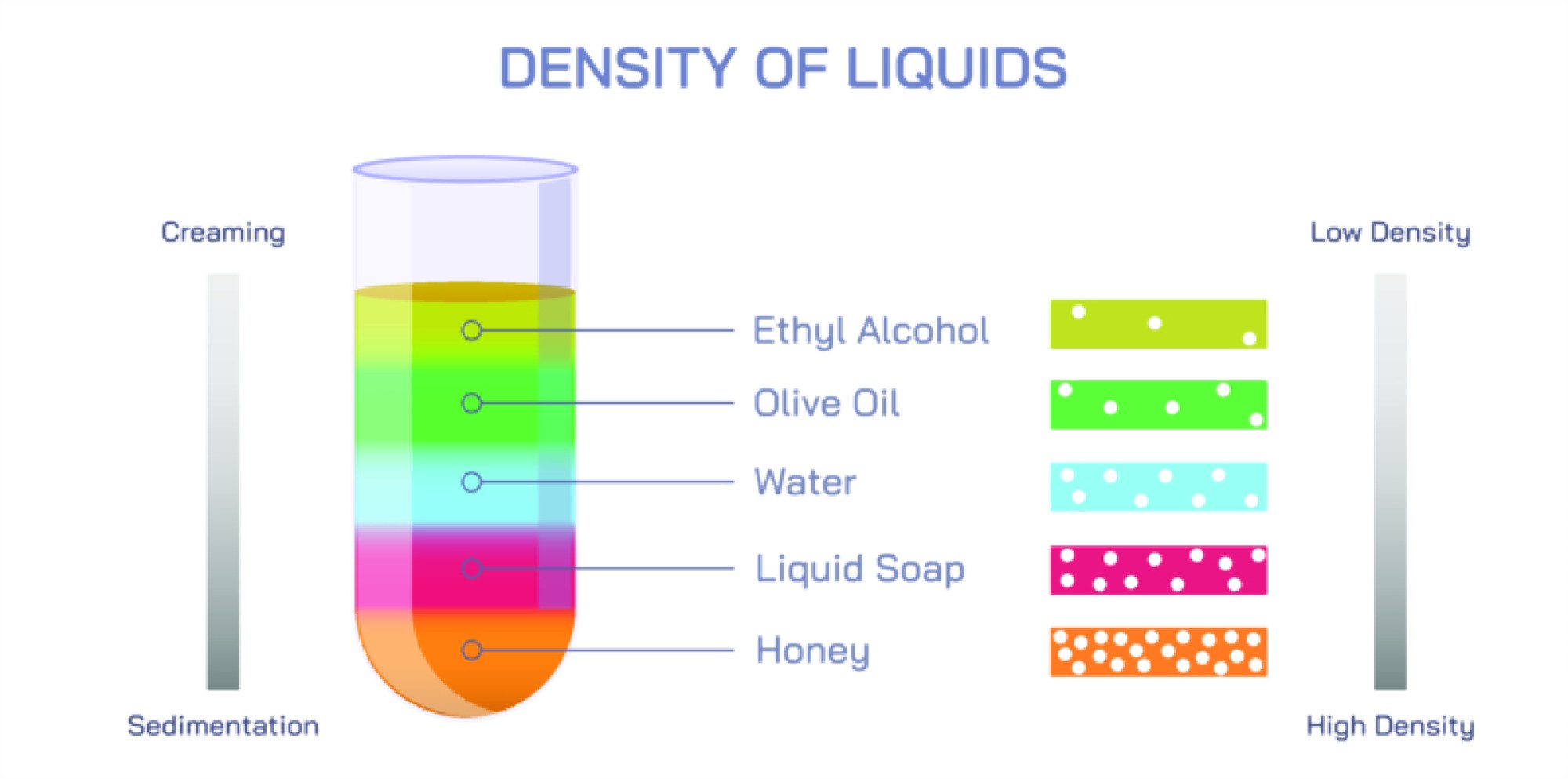
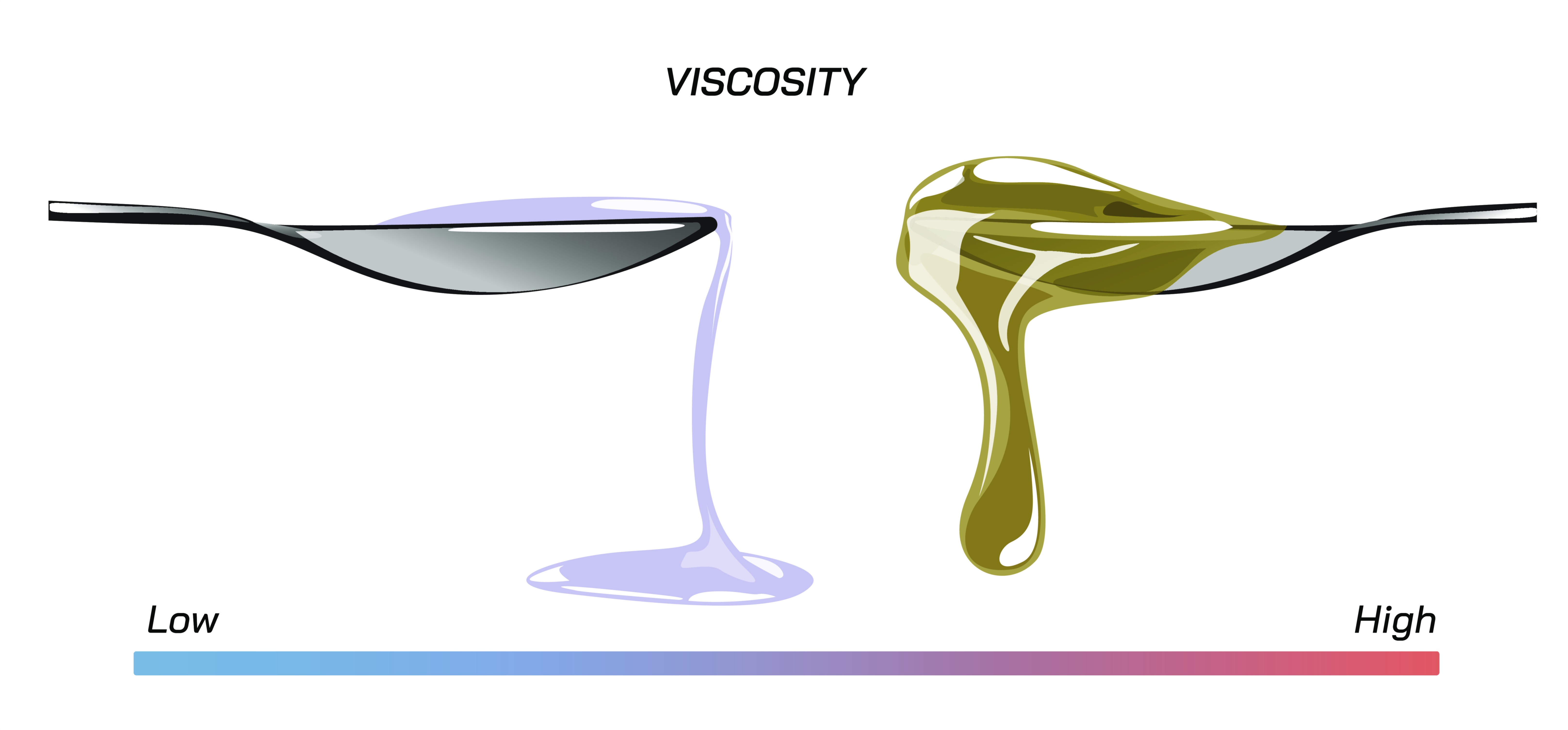
One of the most familiar examples is the contrast between water and honey. Water flows rapidly and spreads easily because the interactions between its molecules allow them to slide past one another with minimal resistance. Honey, however, moves slowly, clings to surfaces, and forms long strands when poured because the attractive forces between its molecules create significant drag. When someone tilts a spoon coated in honey, the honey descends in a slow, almost deliberate manner, displaying the effect of high viscosity. But if the same spoon is dipped in water, the water flows off instantly, leaving almost no trace. This simple observation captures the essence of viscosity without requiring technical measurement tools; it shows how the internal structure and intermolecular attractions of a fluid govern its resistance to flow.
Another illustrative example is the behavior of motor oil in cold and warm conditions. At low temperatures, motor oil becomes thicker and moves sluggishly, which means its viscosity increases. In this state, it takes more effort for engine components to move through the oil film. When the oil warms up during engine operation, its viscosity decreases, causing it to flow more freely and lubricate moving parts more effectively. This temperature-dependent behavior has significant implications for vehicle performance, engine longevity, and fuel efficiency. Designers of lubricants consider how oils behave across a wide temperature range to ensure that engines function smoothly in both winter and summer conditions. Without the right balance of viscosity, mechanical parts could wear down rapidly or fail to operate altogether.
Viscosity also plays a crucial role in food and cooking. Tomato sauce, for instance, has a moderate viscosity that lets it coat pasta evenly without running off the plate. Melted chocolate flows slowly, enveloping surfaces with a smooth, glossy finish, demonstrating higher viscosity. Meanwhile, beverages like fruit juice or tea have low viscosity, making them easy to drink and pour. Chefs manipulate viscosity intentionally to achieve the desired texture, using techniques such as reduction, thickening with starch, or emulsifying ingredients. When reducing a sauce, evaporating water increases the relative concentration of dissolved ingredients, raising viscosity. When adding a starch slurry to a soup, the starch granules swell and form a network that slows down the movement of water molecules, increasing internal resistance and giving the liquid a thicker, more luxurious feel. Cooking thus becomes a practical laboratory of viscosity, where subtle adjustments produce dramatic changes in consistency and mouthfeel.
In natural systems, viscosity influences everything from geological flows to biological survival. Lava, depending on its chemical composition, can range from extremely viscous to relatively fluid. Basaltic lava with low viscosity flows rapidly, spreading long distances and forming shield volcanoes. In contrast, felsic lava with high viscosity resists movement and tends to trap gases, often leading to explosive eruptions. These differences shape entire landscapes and determine the nature of volcanic hazards. Similarly, in biological organisms, blood viscosity is a critical factor that affects circulation. Blood must maintain a finely balanced viscosity to flow efficiently through arteries and veins. If it becomes too viscous, the heart must work harder to pump it, potentially contributing to health complications. If it becomes too thin, it may not transport nutrients or clot properly. Thus the human body continuously regulates blood viscosity through temperature control, hydration, and cellular composition.
In the realm of everyday experience, viscosity determines the feel of common household products. Shampoo, for example, is formulated to maintain a level of viscosity that allows it to sit on the hand without running off immediately, yet still spread smoothly through the hair. Lotion and skincare creams rely even more heavily on viscosity adjustments to create sensations of richness, absorption rate, and smooth application. Manufacturers carefully control the thickness of these products by modifying concentrations of oils, emulsifiers, and polymers so that they behave consistently even when temperatures change. Paint provides another vivid example: low-viscosity paint may drip excessively and fail to provide even coverage, while high-viscosity paint spreads more uniformly but may require additional effort to apply. Formulators adjust viscosity to strike the right balance between ease of application and final surface appearance.
Viscosity is also central to industrial processes. In pipelines that transport crude oil, engineers must account for the high viscosity of heavy oils, which resist flow and require substantial energy to pump through long distances. Heating the oil or adding flow-improving additives can lower its viscosity, reducing energy costs and preventing blockages. In chemical manufacturing, controlling viscosity ensures that reactants mix properly and that finished products have consistent qualities. Adhesives rely on specific viscosity characteristics to bond surfaces effectively; too much thickness prevents proper spreading, while too little thickness reduces holding strength. Every manufacturing step that involves mixing, pouring, pumping, coating, or spreading depends on a deep understanding of viscosity and the ability to adjust it precisely.
Even in the atmosphere, viscosity plays a role that is less visible but equally important. Air, though far less viscous than liquids, still exhibits measurable internal resistance. The viscosity of air influences how objects move through it, contributing to drag forces experienced by aircraft, cars, and projectiles. Designers of high-performance vehicles and aircraft rely on an understanding of air’s viscosity to shape surfaces in ways that minimize resistance, reduce turbulence, and improve fuel efficiency. Meteorology also considers viscosity when studying how air layers slide over one another in the formation of winds, storms, and jet streams. Though subtle compared to the dramatic effects seen in liquids, the viscosity of gases helps shape large-scale atmospheric behavior.
Viscosity also governs artistic and creative processes. In painting, artists choose materials based on how fluid or thick they are. Watercolor paints, which are low in viscosity, spread easily and create gentle gradients. Acrylic paints offer adjustable viscosity, allowing artists to dilute them for fluid effects or use them in thicker forms for textured surfaces. Oil paints, with naturally higher viscosity, glide smoothly and allow for extended blending. Sculptors who use materials such as clay slip or resin also rely on viscosity to determine how long they have to shape and work with a substance before it sets. Even potters adjust the viscosity of their clay mixtures to ensure proper molding, wheel-throwing, and firing behavior.
In scientific research, viscosity serves as an indicator of molecular interactions. For instance, the viscosity of a polymer solution reveals how long chains of molecules entangle and resist motion. The higher the degree of entanglement, the greater the internal friction. Researchers studying complex fluids, such as gels, suspensions, and biological fluids, examine viscosity to understand how microscopic structures influence macroscopic behavior. The pharmaceutical industry also uses viscosity measurements to ensure that liquid medications deliver consistent dosing and that syrups, injectables, or topical treatments perform as expected. These applications highlight viscosity’s role as both a practical parameter and a window into the physical dynamics occurring within a fluid.
Reflecting on all these examples, viscosity emerges as a unifying concept that explains a wide variety of fluid behaviors across scales and environments. From honey sliding slowly down a spoon to the flow of lava shaping entire landscapes, viscosity bridges everyday experience and advanced scientific understanding. It affects how machines operate, how organisms survive, how materials are created, and how natural forces sculpt our world. Because viscosity arises from the interactions among particles within a fluid, it forms a link between microscopic properties and large-scale phenomena. This makes it one of the most accessible yet profound topics in fluid science, illustrating how subtle internal forces can dramatically influence movement, texture, resistance, and structure in nearly every fluid encountered in life and technology.