Calcium Hydroxide — Understanding the Nature and Behavior of Slaked Lime as a Chemical Compound
The Fundamental Identity of Calcium Hydroxide as Slaked Lime
Calcium hydroxide, commonly known as slaked lime, is an important inorganic compound recognized for its versatility, reactivity, and wide-ranging applications in construction, agriculture, environmental treatment, and chemical processing. Appearing as a soft, white, powdery or crystalline solid, slaked lime is produced when quicklime interacts with water, creating a material that combines stability with significant chemical responsiveness. Because of its ability to influence acidity, neutralize impurities, and participate in various setting and hardening processes, calcium hydroxide has become one of the most practical and widely used chemical substances in human civilization. Its history stretches back thousands of years, yet it remains essential in modern industries, demonstrating the enduring value of simple chemical transformations.
How Calcium Hydroxide Forms Through the Hydration of Quicklime
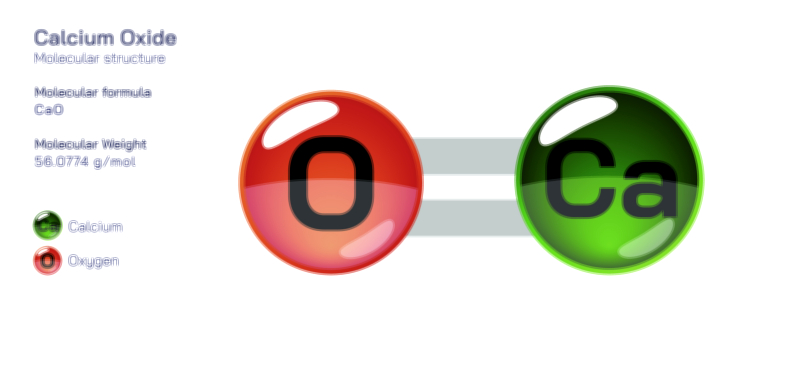
Slaked lime is created through a process known as hydration, where calcium oxide, or quicklime, reacts vigorously with water. This transformation is well known for releasing heat and producing a fine, soft material that feels smooth and powdery once dried. During this process, water molecules become integrated into the solid structure, stabilizing the compound and reducing the intensity of quicklime’s reactivity. The resulting calcium hydroxide is far gentler yet still chemically active in ways that make it valuable across numerous applications. This unique formation process—combining heat release, structural change, and hydration—illustrates how simple chemical reactions can create materials with dramatically different behaviors and functionalities.
Physical Characteristics That Reflect Its Internal Structure
In appearance, calcium hydroxide is typically white and light, forming powders or pastes depending on the level of moisture present. Its texture is soft enough to be mixed easily with water, forming a smooth suspension often referred to as limewater or milk of lime. The compound remains stable at room temperature but can gradually interact with airborne carbon dioxide, changing into other calcium compounds over time. This slow transformation helps explain why lime-based plasters and mortars harden when exposed to air, gradually forming durable structures. The compound’s mild alkalinity and fine particle size make it easy to blend, spread, and manipulate, contributing to its long-standing use in construction, art, and agriculture.
Role in Construction, Plaster, and Mortar Production
Calcium hydroxide has a central role in building materials, especially in traditional plaster and mortar formulations. When mixed with sand and water, slaked lime produces a paste that can be shaped, applied, and smoothed before hardening through exposure to the atmosphere. During this hardening process, the compound reacts slowly with carbon dioxide in the air, effectively turning back into a harder mineral form that strengthens the finished structure. This natural cycle—hydration during creation, stability during application, and gradual hardening through atmospheric interaction—gives lime-based materials their characteristic durability, breathability, and long lifespan. These qualities have made slaked lime indispensable in historical construction and valuable in modern restoration work.
Importance in Environmental and Water Treatment Processes
Calcium hydroxide plays a significant role in environmental management due to its ability to neutralize acids and remove impurities from water. In water treatment facilities, it helps adjust the pH of drinking water, reduces corrosion in pipes, and encourages impurities to clump together for easier removal. Its alkaline nature allows it to counteract acidic waste streams in industrial processes, contributing to safer and more stable wastewater. In environmental remediation, calcium hydroxide helps neutralize acidic soils and waters, making it useful in restoring lands affected by industrial activity or natural acidity. These applications illustrate how slaked lime supports environmental balance and contributes to clean water systems.
Agricultural Uses and Soil Conditioning Benefits
In agriculture, calcium hydroxide assists in improving soil conditions by reducing acidity and supporting nutrient availability. Acidic soils can restrict plant growth, weaken root structures, and reduce the absorption of essential minerals. When slaked lime is applied to the soil, it raises pH levels to healthier ranges, creating a more supportive environment for crops. This adjustment enhances the effectiveness of fertilizers and strengthens plant resilience. Furthermore, in certain farming practices, calcium hydroxide is used to treat livestock bedding, control odors, and reduce microbial activity, contributing to healthier farming environments. Its dual role as both a soil conditioner and a sanitation agent shows its broad applicability in agricultural settings.
Uses in Chemical Manufacturing and Industrial Processing
Calcium hydroxide is also valuable in chemical manufacturing, where it functions as an intermediate material in producing other compounds. It supports reactions that require controlled alkalinity and participates in processes that remove unwanted components from raw materials. In the food industry, it is used in specific regulated applications such as processing sugarcane juice and preparing certain traditional foods, where its mild alkaline properties contribute to purification or textural enhancement. In paper manufacturing, it plays a role in creating pulping chemicals, improving the brightness and quality of paper. Its ability to interact gently yet effectively with various substances underlies its importance in these diverse applications.
Stability, Limitations, and Sensitivity to Carbon Dioxide
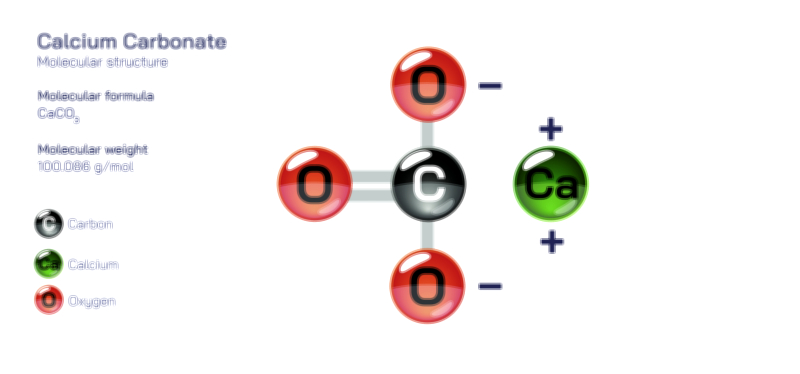
Although calcium hydroxide is stable under normal conditions, it is sensitive to long-term exposure to air because carbon dioxide gradually causes it to transform into carbonate minerals. This slow reaction contributes strength to lime-based construction materials but can reduce the effectiveness of lime stored improperly in open containers. Its sensitivity to environmental conditions means that its quality must be preserved through careful storage, especially in industrial and manufacturing contexts. Additionally, because it is alkaline, slaked lime can cause irritation to skin, eyes, or respiratory systems when handled without proper protection.
Why Calcium Hydroxide Remains an Essential Chemical Compound
Calcium hydroxide’s enduring significance comes from its remarkable combination of accessibility, versatility, and chemical usefulness. Its formation from a simple hydration process, its natural compatibility with environmental and biological systems, and its broad range of applications ensure that it remains vital in both traditional and modern industries. Whether strengthening ancient buildings, improving soil health, purifying water, supporting industrial reactions, or contributing to the manufacture of essential materials, slaked lime continues to demonstrate its value as a stable, adaptable, and indispensable chemical compound.