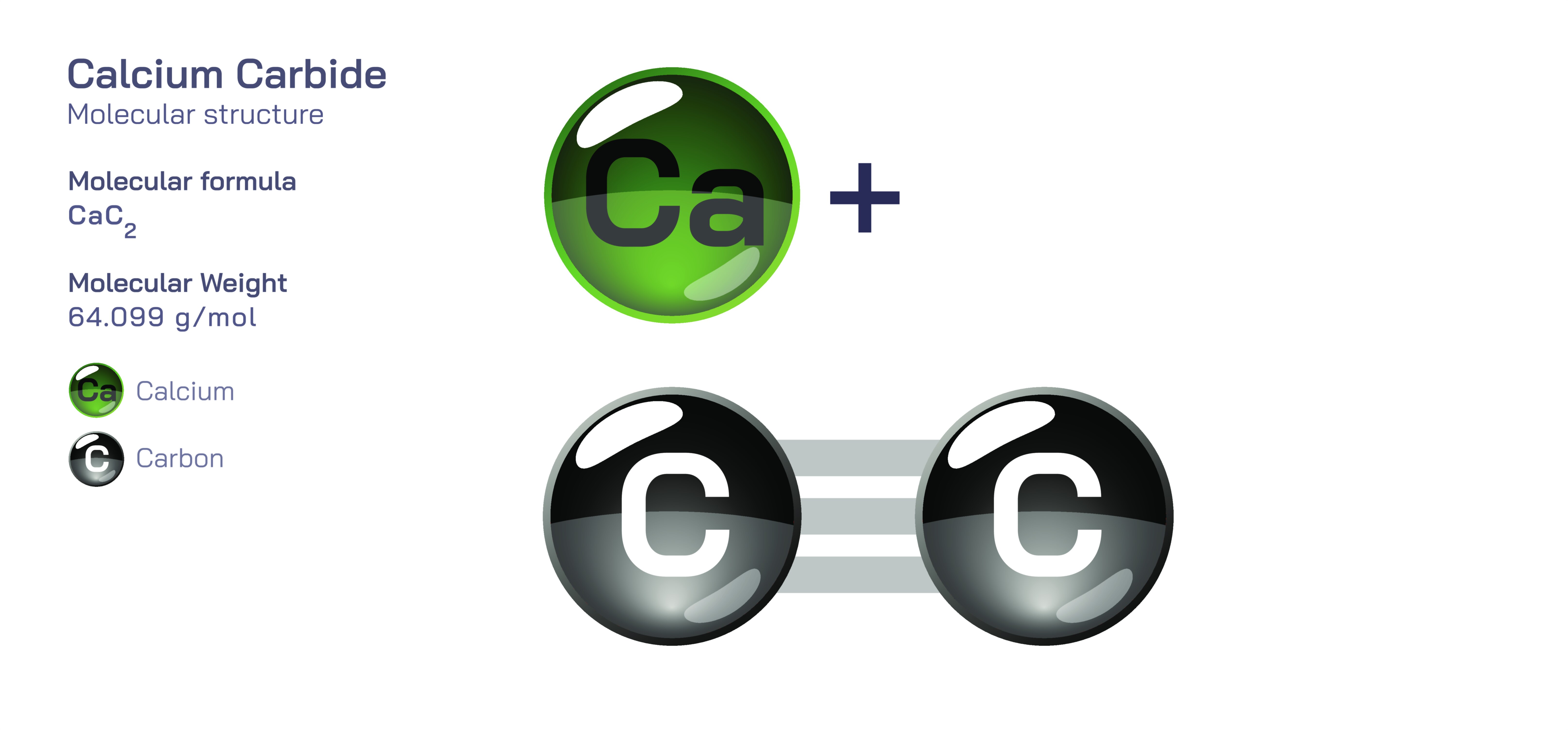
Calcium Carbide — Understanding the Nature and Industrial Importance of a Powerful Chemical Compound
The Fundamental Identity of Calcium Carbide as an Industrial Chemical
Calcium carbide is a highly reactive inorganic compound widely recognized for its powerful chemical behavior and its central role in producing acetylene gas, a fuel and chemical building block essential to many industries. Appearing as hard, grayish or brownish lumps, it is created through the high-temperature reaction between lime and carbon inside electric furnaces. The resulting solid holds tremendous stored chemical potential, especially because of its vigorous interaction with water, which releases flammable gas and heat. This combination of stability in dry form and explosive reactivity when exposed to moisture makes calcium carbide one of the most influential industrial chemicals of the modern era. From metalworking and welding to fertilizer production and chemical synthesis, calcium carbide stands at the core of processes that rely on fast, controlled reactions and high-energy outputs.
How Calcium Carbide Forms Under Extreme Conditions
The creation of calcium carbide reflects the intense temperatures needed to rearrange mineral matter into more reactive chemical structures. In large electric furnaces, powdered limestone and carbon-rich materials such as coke are heated until they undergo a profound transformation. The extreme heat breaks apart the original materials and allows their components to recombine into a new solid with a very different character. This solid, calcium carbide, emerges as a dense block that retains stability only as long as it remains dry. The high energy involved in its formation mirrors the high energy stored within its structure, explaining why the compound reacts so dramatically when exposed to water. Its production showcases how industrial chemistry harnesses extreme conditions to create substances with exceptional reactivity and functional value.
Reactivity With Water and the Release of Acetylene Gas
The most defining characteristic of calcium carbide is its intense reaction with moisture. When even a small amount of water comes into contact with the solid, it triggers a rapid process that releases acetylene—an energy-rich gas with a long history of use in welding, lighting, and chemical manufacturing. The reaction generates heat, making it essential to control carefully in industrial environments. Acetylene produced in this way burns with an extremely hot flame, which is why calcium carbide became historically important for metal cutting, welding, and illumination before the advent of modern electrical systems. Even today, portable carbide lamps used in caving and mining rely on this simple but powerful chemical process. The ability to generate a valuable fuel from a stable solid simply by adding water illustrates the remarkable chemical potential embedded in calcium carbide.
Role in Steelmaking and Metallurgical Processes
Beyond acetylene production, calcium carbide plays a crucial role in the steel and metallurgical industries. When added to molten steel, it helps remove impurities such as oxygen and sulfur, improving the quality, strength, and durability of the final product. These refining actions occur because calcium carbide interacts strongly with unwanted elements, transforming them into materials that can be separated from the metal. By purifying steel in this way, calcium carbide supports the production of high-performance alloys used in construction, automotive manufacturing, and heavy machinery. Its effectiveness in these treatments demonstrates how reactive compounds influence large-scale industrial outcomes, shaping everything from infrastructure to specialized tools.
Industrial Uses in Chemical Production and Agriculture
The influence of calcium carbide extends into chemical manufacturing, where acetylene serves as a starting material for a wide array of important organic compounds. Plastics, solvents, synthetic rubbers, and various chemicals originate from acetylene-based reactions that begin with calcium carbide. In agriculture, calcium carbide helps produce compounds used to control ripening in fruits, support fertilizer production, or accelerate certain crop processes. Though modern alternatives have emerged in some areas, calcium carbide remains relevant due to its reliability, availability, and efficiency. Its presence across so many industrial sectors reveals how a single compound can anchor multiple technological pathways.
Physical Characteristics That Reflect Its Chemical Strength
Calcium carbide’s physical appearance—dense, rocky masses with a distinctive smell when moisture is present—reveals its industrial origins and strong internal structure. The solid is stable when dry, resistant to casual handling, and capable of withstanding the high temperatures of its formation. Yet it must be stored and transported with great care because even slight humidity can trigger its reactive behavior. The compound often emits an unusual odor when improperly stored or slightly exposed to air, a sign of slow acetylene release. Its dual nature—hard and stable in one context, intensely reactive in another—captures the essence of many powerful industrial chemicals whose true potential becomes apparent only under specific conditions.
Safety Considerations for Handling a Reactive Compound
Calcium carbide requires strict safety measures due to its sensitivity to moisture and the flammable gas it produces upon contact with water. Industrial storage involves airtight containers, dry environments, and controlled handling procedures to prevent accidental gas release or ignition. Workers use protective equipment to avoid exposure, and facilities are designed to vent or isolate acetylene quickly in case of unintended reactions. The compound’s reactivity also means it should never be stored near open flames, acids, or damp surfaces. Understanding these precautions ensures that calcium carbide can be used safely and effectively across numerous applications without causing harm or operational hazards.
Why Calcium Carbide Remains a Cornerstone Industrial Chemical
Despite modern developments in energy and chemical production, calcium carbide remains deeply embedded in industrial processes due to its reliability, reactivity, and economic value. Its ability to generate acetylene on demand, refine metals, support chemical synthesis, and influence agricultural systems makes it a compound of enduring importance. It demonstrates how industrial chemistry transforms raw minerals into powerful tools that drive technological progress, manufacturing efficiency, and material development. Calcium carbide stands as a classic example of how a single well-designed chemical compound can support diverse industries, bridging the gap between natural materials and advanced industrial capabilities.