Barium Carbonate — Understanding the Structure and Nature of an Inorganic Chemical Compound
The Fundamental Identity of Barium Carbonate as an Inorganic Solid
Barium carbonate is an important inorganic compound known for its dense, white, powdery appearance and its significant role in industrial, chemical, and ceramic applications. It forms when barium ions combine with carbonate units, resulting in a stable solid whose properties reflect the strength of ionic bonding and the symmetry of its internal arrangement. As a heavy alkaline earth compound, barium carbonate exhibits characteristics typical of substances formed from metal ions interacting with large, multi-atom groups. Its structure contributes to its chemical stability, low solubility, and usefulness in processes where controlled reactions or specific chemical behaviors are valued. Understanding barium carbonate offers insight into how metal ions form firm associations with complex inorganic groups, producing compounds with predictable and practical features.
How its Ionic Structure Develops and Stabilizes
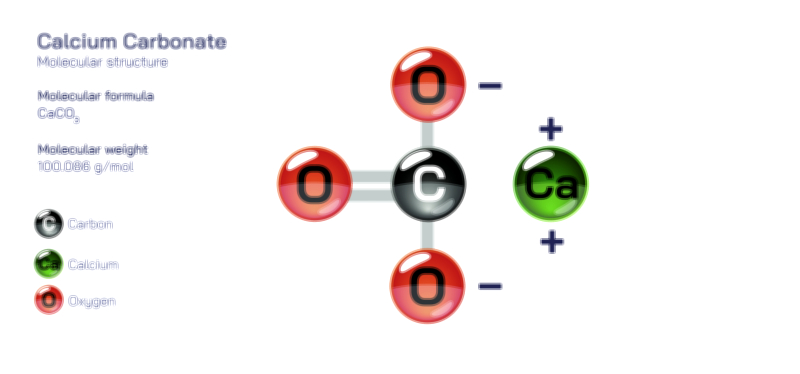
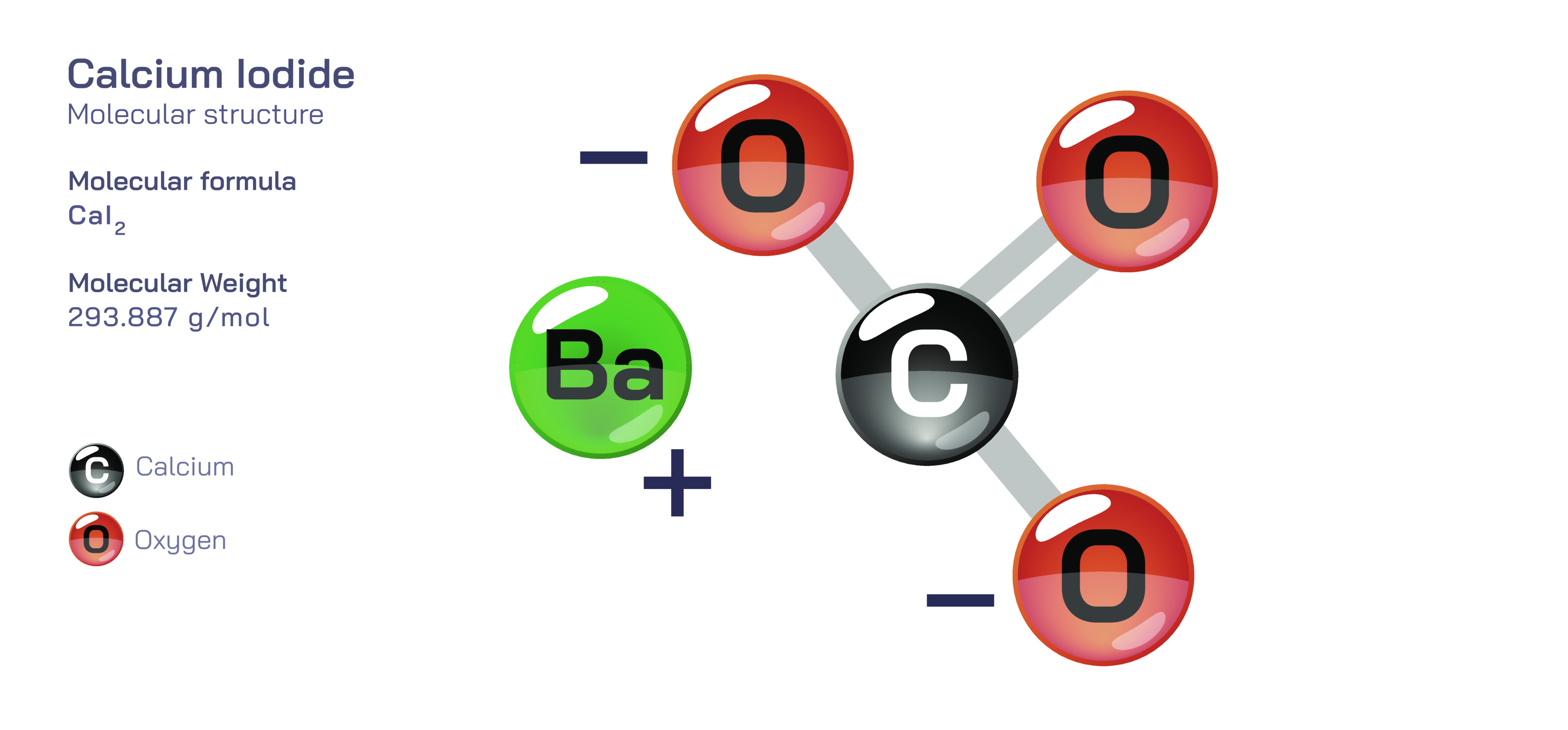
The structure of barium carbonate originates from the natural tendencies of its components. Barium, being a strongly reactive metal, easily forms positively charged particles when it interacts with other substances. The carbonate group, composed of carbon and oxygen arranged in a stable triangular pattern, carries a strong negative charge that makes it capable of binding firmly to positive ions. When these two units come together, the attraction between their opposite charges results in the formation of a stable ionic compound. The ions align themselves into a repeating arrangement that extends throughout the solid, creating a crystal lattice with remarkable internal order. This arrangement ensures that each ion remains surrounded by units of opposite charge, distributing the attractive forces evenly across the material.
Physical Characteristics Shaped by the Crystal Lattice
The crystal structure of barium carbonate plays a major role in determining its physical properties. Because the ions are firmly locked into place, the compound forms a hard, dense solid that maintains its structural integrity under normal conditions. The strong attractions within the lattice contribute to a high melting point and resistance to chemical breakdown. Unlike many ionic compounds, barium carbonate dissolves only sparingly in water. The strength of the bonds within the lattice exceeds the ability of water molecules to separate the ions easily, leading to minimal solubility. This low solubility makes barium carbonate suitable for applications where stability in moist environments is required, such as in ceramics and glass manufacturing. Its powdery form also makes it easy to blend with other materials without losing its structural characteristics.
Behavior in Acidic Environments and Chemical Reactivity
While barium carbonate is resistant to water, it becomes responsive when exposed to stronger acids. In acidic environments, the compound slowly breaks down as the carbonate group reacts and releases gas, allowing the barium ion to form new compounds. This controlled reactivity is valuable in industrial chemistry, where barium carbonate is used to produce other barium salts by reacting it with suitable acids. Its predictable behavior also makes it a useful compound for processes that require the slow release of certain ions. This ability to transform under specific environmental conditions reflects the delicate balance between stability and reactivity within the ionic lattice.
Its Role in Ceramics, Glass, and Industrial Applications
Barium carbonate is widely used in the ceramics industry because of the way it influences the structure and appearance of glazes, tiles, and decorative pieces. When heated, it helps control color formation, improves texture, and enhances the durability of ceramic coatings. Its presence in glazes allows potters and manufacturers to achieve smoother finishes and more refined surfaces. In glass production, barium carbonate adds weight, clarity, and resistance to chemical interference. It helps glass maintain structural strength and prevents unwanted discoloration. In metallurgy, the compound supports processes that remove impurities from metals, improving their quality and performance. These applications rely heavily on the compound’s stability, density, and ability to behave predictably under high temperatures and controlled conditions.
Importance of Purity and Controlled Use
Because barium compounds can be harmful if misused, the purity and form of barium carbonate are carefully regulated. In industrial settings, it is handled with precision to ensure that it remains contained within controlled processes. Its low solubility benefits safety, as it reduces the likelihood of accidental absorption into the body. The compound’s predictable chemical behavior allows it to be used effectively while minimizing risk. This controlled application highlights how understanding the structure and interactions of inorganic compounds ensures both safety and efficiency in professional environments.
How Barium Carbonate Reflects Principles of Inorganic Chemistry
Barium carbonate serves as a model compound for understanding how metals and complex inorganic groups form stable, functional materials. Its structure demonstrates how ionic forces create durable solids, while its low solubility and selective reactivity illustrate the nuanced behavior of inorganic compounds in different conditions. The compound bridges the gap between theoretical chemistry and real-world industrial practice, showing how the principles of ionic bonding, lattice formation, and chemical interaction shape useful materials. Through its existence and applications, barium carbonate embodies the core concepts of inorganic chemistry—stability, structure, and purposeful reactivity.