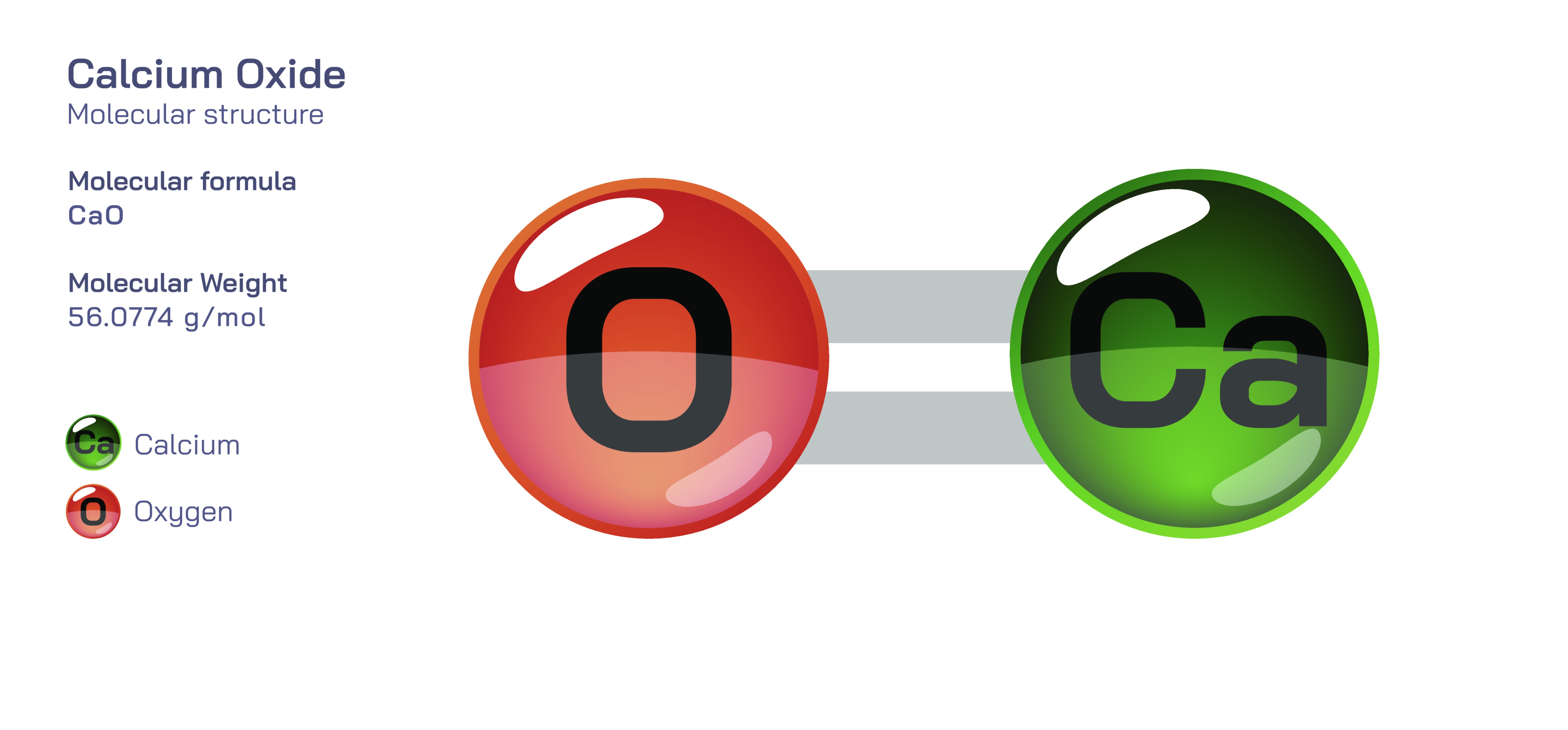
Calcium Oxide — Understanding the Nature and Behavior of Quicklime as a Chemical Compound
The Fundamental Identity of Calcium Oxide as Quicklime
Calcium oxide, commonly known as quicklime, is a highly reactive inorganic compound that has played an essential role in human civilization for centuries. Recognized as a white, chalky solid, quicklime is produced by heating limestone or other calcium-rich materials at high temperatures. This heating process drives off carbon-based components and leaves behind pure calcium oxide, a substance known for its strong affinity for water and its ability to transform into other useful compounds. As a cornerstone material in construction, manufacturing, agriculture, and chemical processing, quicklime demonstrates how a simple compound derived from natural minerals can profoundly influence technology and infrastructure. Its behavior, reactions, and applications are all tied to its internal structure and the powerful interactions it undergoes when exposed to water and environmental conditions.
How Calcium Oxide Forms Through Thermal Transformation
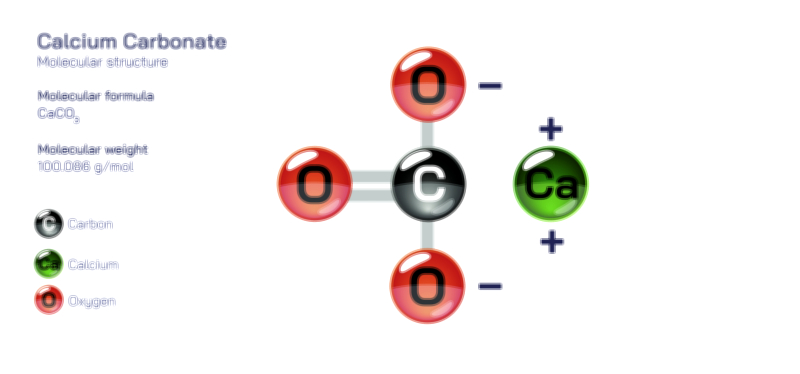
Quicklime arises through a process known as calcination, where limestone or calcium carbonate is heated in a kiln until it releases gas and transforms into a new solid. This transformation changes the internal arrangement of the atoms, freeing the calcium component from its original mineral form. The resulting calcium oxide is more reactive and less stable, which is why it eagerly interacts with water or moisture in its surroundings. This reactivity reflects the compound’s desire to return to a more stable state, demonstrating one of the fundamental principles of inorganic chemistry: that heat can alter the structure of minerals in ways that unlock new chemical properties. The production of quicklime has been practiced for thousands of years, illustrating how early societies learned to harness thermal processes to produce materials with valuable mechanical and chemical behavior.
Reactivity of Quicklime and Its Transformation Into Slaked Lime
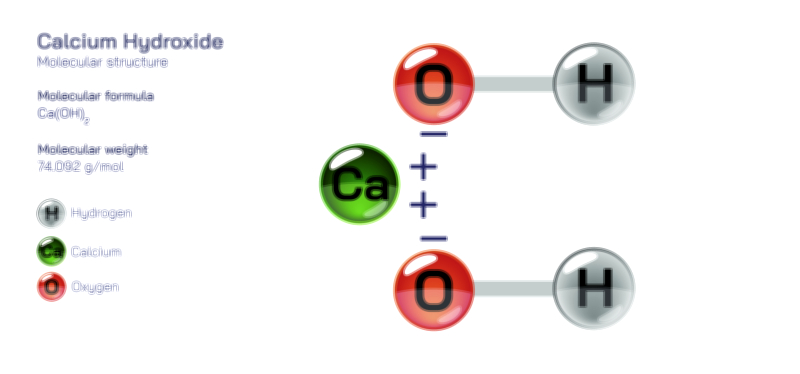
One of the most defining characteristics of calcium oxide is its vigorous reaction with water. When quicklime comes into contact with even a small amount of moisture, it absorbs the water rapidly and undergoes a powerful transformation into calcium hydroxide, often called slaked lime. This reaction releases heat, making the process warm or even hot to the touch. The transformation demonstrates how calcium oxide seeks to return to a more balanced, hydrated state after being separated from its original mineral form. This reactivity is both useful and important to control, as quicklime can cause burns or damage materials if not handled properly. Yet its ability to transform into a more stable compound is what makes it valuable in construction, plaster preparation, soil stabilization, and many other fields.
Physical Characteristics Shaped by Its Ionic Nature
Calcium oxide’s structure reflects its ionic character, where strong attractions between charged components create a firm, stable solid. These ionic forces give quicklime its dry, brittle texture and its tendency to form dense, powdery fragments. The compound maintains its integrity under high temperatures, which is one reason it can withstand the intense heat involved in its own creation. Although quicklime appears simple in its solid form, it demonstrates considerable internal strength, which explains why it has been useful in high-temperature applications and industrial processes requiring durable materials. Its color, consistency, and crystalline nature reflect the orderly arrangement of its ionic structure, while its reactivity hints at the underlying tension within its chemical composition.
Applications in Construction and Material Processing
Calcium oxide has long been a core component in construction-related industries. When transformed into slaked lime, it becomes a key ingredient in mortar, plaster, and various binding materials. These lime-based materials harden gradually as they interact with the atmosphere, forming solid structures that resist weathering and hold architectural elements together. Quicklime’s behavior also makes it valuable in producing cement, where it interacts with other minerals to create strong, durable building materials. Beyond construction, calcium oxide is essential in purifying metals, controlling acidity in soil, treating wastewater, and processing glass and ceramics. Its ability to alter physical and chemical conditions makes it a versatile tool across many branches of industry.
Environmental and Industrial Roles Beyond Building
Quicklime also plays important roles in environmental management and chemical processing. In water treatment plants, calcium oxide helps adjust acidity and remove impurities, contributing to clearer and safer water supplies. In agriculture, it is used to neutralize acidic soils, creating better environments for crops to grow. Its high reactivity enables it to capture and bind unwanted substances during industrial reactions, helping to refine products and reduce harmful emissions. In these contexts, quicklime acts as a purifier and stabilizer, demonstrating how a simple compound can improve environmental quality and industrial efficiency. The compound’s contribution to clean water, healthy soils, and controlled chemical processes highlights its wide-reaching importance.
Safety Considerations When Handling Quicklime
While calcium oxide is incredibly useful, it requires careful handling due to its strong reaction with moisture. When quicklime encounters water, the resulting heat can be intense enough to cause burns or damage containers. For this reason, those working with quicklime must use protective equipment and store the material in dry conditions. Its tendency to absorb moisture also means that its properties can change over time if exposed to humid air. Understanding how calcium oxide behaves helps professionals use it safely, ensuring that its powerful reactivity is harnessed constructively rather than causing harm.
Why Calcium Oxide Remains a Vital Industrial Compound
Calcium oxide exemplifies how simple inorganic compounds can support complex technological and societal needs. Its formation through heat, its vigorous response to water, and its ability to transform into useful derivatives all reflect fundamental principles of chemistry. Quicklime’s roles in construction, agriculture, purification, and material production demonstrate its exceptional versatility. By understanding its structure and behavior, scientists and manufacturers continue finding new ways to apply this ancient yet essential compound. Calcium oxide remains a prime example of how chemical materials derived from the Earth can shape infrastructure, improve industry, and support modern life.